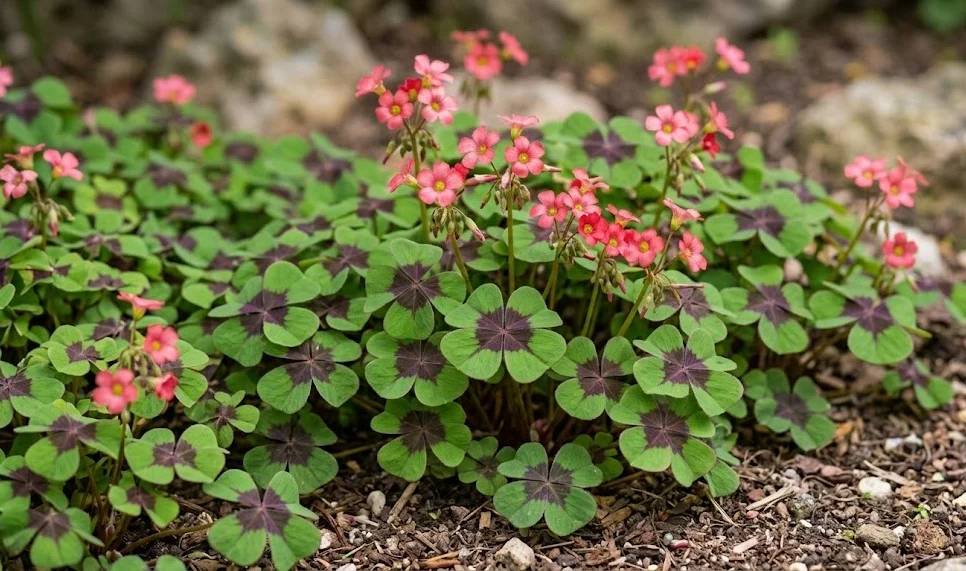

Successful cultivation begins with the correct planting techniques and a clear understanding of propagation methods. The four-leaf sorrel is primarily grown from bulbs, which are technically small tubers that hold the plant’s genetic blueprint and energy. Planting these bulbs at the right time and depth ensures that the young shoots emerge strong and healthy. Propagation allows a gardener to expand their collection or share this charming plant with other enthusiasts.
The timing for planting is usually in the early spring, just as the soil begins to warm up after the winter. If you are planting outdoors, ensure that the danger of hard frost has passed to protect the tender new growth. For indoor cultivation, you can start the process a bit earlier to enjoy a head start on the season. Starting with firm, healthy bulbs is the most important factor in achieving a professional-looking display.
Bulbs should be inspected for any signs of soft spots, mold, or mechanical damage before they go into the ground. A healthy bulb will feel heavy for its size and have a dry, papery outer skin. If you find any that are shriveled or excessively light, it is best to discard them to avoid introducing disease. Quality control at this stage saves time and resources later in the growing season.
Storing bulbs before planting should be done in a cool, dry place with plenty of air circulation. Avoid plastic bags, which can trap moisture and lead to premature sprouting or fungal growth. Paper bags or open trays are much better options for maintaining the integrity of the dormant tissue. Proper storage ensures that the bulbs remain viable and ready to grow as soon as they are planted.
Proper planting depth and spacing
The depth at which you plant the bulbs significantly impacts their ability to sprout and stay upright. As a general rule, bulbs should be planted about two to three inches deep in the soil. If planted too shallow, the roots may struggle to find stability and the plant might tip over as it grows. Conversely, planting them too deep can make it difficult for the delicate shoots to reach the surface.
More articles on this topic
Spacing between the bulbs is also a key consideration for creating a lush but not overcrowded arrangement. Leaving about three to four inches of space between each bulb allows for adequate air circulation and leaf expansion. Overcrowded plants are more susceptible to fungal diseases because moisture gets trapped between the leaves. Proper spacing ensures that each individual plant has the resources it needs to thrive and display its unique form.
When planting in containers, you can place the bulbs slightly closer together for a more immediate full effect. However, you must be prepared to divide them sooner as they multiply and fill the pot. A high-quality potting mix should be used to provide the best possible start for the developing roots. Firm the soil gently around the bulbs to remove large air pockets without compacting the medium too much.
Watering immediately after planting helps to settle the soil and initiates the waking process for the bulb. Use a gentle stream of water to avoid washing away the soil or dislodging the bulbs from their positions. Keep the soil consistently moist but never soggy during the first few weeks of growth. This initial hydration is the trigger that tells the bulb it is time to start the new season.
Division methods for propagation
One of the easiest ways to propagate the four-leaf sorrel is through the natural division of its bulbs. As the plant grows, it will produce small offsets or “daughter” bulbs around the main mother bulb. After a few seasons, these clusters become quite dense and can be easily separated during the dormant period. This method results in genetically identical clones of the parent plant, ensuring consistent foliage patterns.
More articles on this topic
To divide the bulbs, carefully lift the entire clump from the soil or container when the plant is dormant. Shake off the excess dirt to reveal the individual bulbs and how they are joined together. You can usually pull the small bulbs apart by hand, or use a clean knife for more stubborn clusters. Each individual bulb has the potential to grow into a full-sized plant within a single growing season.
Replanting the divided bulbs follows the same principles as planting new ones for the first time. This is an excellent opportunity to refresh the soil and give each new plant a clean start. Many gardeners find that dividing their plants every two to three years keeps the collection vigorous and healthy. It prevents the original bulbs from becoming exhausted and promotes the production of larger, more vibrant leaves.
Sharing these divisions with friends or community members is a long-standing tradition among plant lovers. Since the four-leaf sorrel is often associated with good luck, it makes a thoughtful and personal gift. Each small bulb carries the potential for a whole new garden display, making it a very efficient way to spread beauty. This community aspect of gardening adds a social layer to the technical task of propagation.
Early growth support and care
Once the first green shoots appear above the soil, the plant enters a vulnerable phase of its life. Providing plenty of bright, indirect light is essential to prevent the stems from becoming thin and weak. If the light is too low, the plant will stretch toward the source, resulting in a leggy and unattractive appearance. A strong start in the right light conditions sets the foundation for a compact and sturdy mature plant.
Temperature should remain stable during this early growth period to avoid shocking the young tissues. Avoid placing the new sprouts in areas with significant temperature swings or cold drafts. A consistent warmth encourages steady metabolic activity and fast leaf development. Protecting the young plants from extreme conditions allows them to establish a robust root system more quickly.
Fertilization should be delayed until the first few sets of leaves have fully expanded and look healthy. Using a diluted liquid fertilizer can provide a gentle boost without risking burn to the sensitive new roots. Always apply fertilizer to moist soil to ensure even distribution and absorption of the nutrients. This early feeding supports the rapid expansion of the foliage that characterizes this species.
Monitoring for early signs of pests like aphids is important, as they are often attracted to soft, new growth. If you notice any unwanted visitors, treating them immediately with a gentle insecticidal soap is usually effective. Keeping the young plants clean and healthy from the start prevents larger infestations later in the season. Professional care in the early stages leads to a much more successful and stress-free gardening experience.