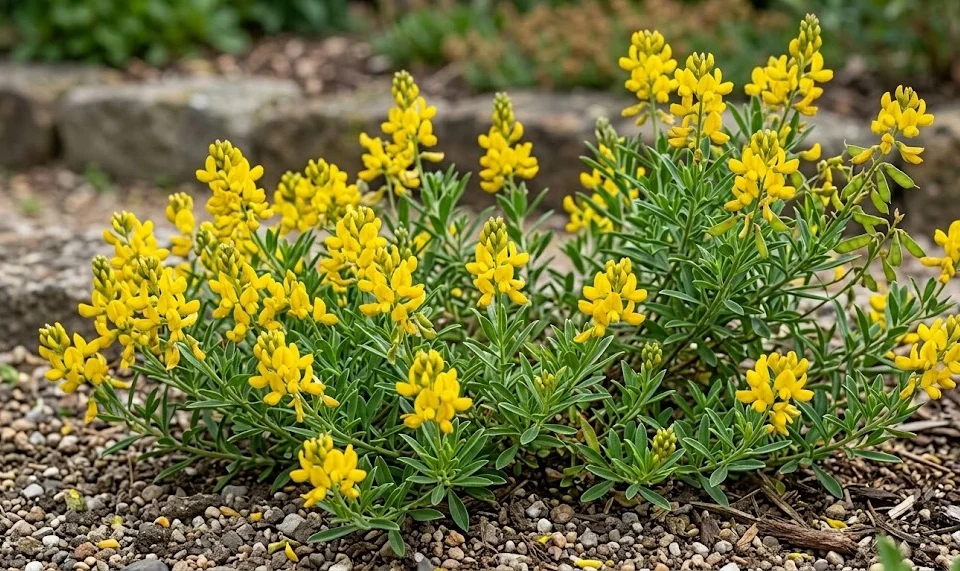

Dyer’s broom is a remarkably resilient shrub that brings a vibrant splash of yellow to any garden landscape during the summer months. Maintaining this plant requires an understanding of its natural habitat, which typically consists of dry, open woodlands and sunny pastures. While it is generally low-maintenance, providing the right environmental conditions is essential for its long-term health and vigor. By following expert guidelines, you can ensure that this woody perennial remains a standout feature in your horticultural collection.
The plant thrives when left undisturbed once it has established its root system in a suitable location. You should avoid transplanting mature specimens because their deep taproots are highly sensitive to movement and damage. Regular observation allows you to identify any minor shifts in leaf color or growth rate before they become serious issues. Consistency in care routines will reward you with a profusion of pea-like flowers that attract numerous pollinators to your garden.
Understanding the environmental preferences
The success of your gardening efforts begins with selecting a site that mimics the natural ecological niche of the species. This shrub is particularly well-adapted to poor, sandy, or stony soils where other more demanding plants might struggle to survive. It possesses a unique ability to fix nitrogen through a symbiotic relationship with soil bacteria, which enhances its independence. You will find that it performs best in locations that provide excellent drainage and prevent water from stagnating around the crown.
Temperature fluctuations are usually not a major concern for this hardy species once it reaches maturity. It can withstand significant heat during the summer months without showing signs of wilting or heat stress. During the colder seasons, it enters a dormant state that protects its internal tissues from freezing temperatures. Providing a stable environment without excessive humidity will help maintain the structural integrity of its slender green branches.
Soil quality and drainage management
The physical structure of the soil is more important than its nutrient density when caring for this particular shrub. Heavily compacted clay soils should be amended with organic matter or grit to improve aeration and moisture movement. If the soil remains too wet for extended periods, the root system may succumb to rot or fungal infections. You can test the drainage by observing how quickly water disappears from a planting hole after a heavy rain.
More articles on this topic
Maintaining a slightly acidic to neutral pH level is generally recommended for optimal growth and nutrient uptake. While the plant is tolerant of various soil types, extreme alkalinity might lead to chlorosis in the foliage over time. You do not need to worry about intensive soil conditioning because this plant prefers “lean” conditions over rich garden loam. Simple mulch applications can help regulate soil temperature while keeping weeds from competing for space and resources.
Monitoring the growth cycle
Growth begins in early spring as the temperatures rise and the daylight hours begin to lengthen across the landscape. You will notice new green shoots emerging from the woody base as the plant prepares for its flowering season. This is the period when the plant requires the most energy to produce its characteristic golden-yellow inflorescences. Keeping a close eye on the development of these buds will give you an indication of the overall health of the shrub.
After the flowering period ends in mid-summer, the plant shifts its energy toward seed production and root development. You may observe small green pods forming where the flowers once bloomed, which eventually turn dark as they ripen. It is natural for the growth rate to slow down as the heat of late summer intensifies. During this phase, the plant focuses on hardening its new wood to prepare for the upcoming dormant season in winter.
Managing seasonal transitions
Transitioning from the peak growing season to the dormant phase requires minimal intervention from the gardener if the site is well-chosen. As autumn approaches, the foliage may take on a slightly different hue as the plant moves nutrients back into its stems. You should resist the urge to apply late-season fertilizers that might stimulate tender new growth susceptible to frost. Allowing the plant to naturally wind down its metabolic processes is the best strategy for long-term survival.
More articles on this topic
Spring transitions involve clearing away any debris that may have accumulated around the base during the winter months. This ensures that air can circulate freely and prevents the buildup of moisture that might harbor pathogens. You can gently check the flexibility of the branches to see which parts have survived the winter intact. Once the first signs of green appear, you can resume standard maintenance tasks to support the new season’s growth.
Aesthetic integration in the garden
Integrating this shrub into your garden design requires a bit of foresight regarding its mature size and spreading habit. It works beautifully in rock gardens, coastal landscapes, or as part of a low-maintenance border. The fine texture of the stems provides a lovely contrast to plants with broader leaves or darker foliage. You can use it to stabilize slopes or banks due to its deep and persistent root system.
The vibrant yellow flowers create a stunning visual impact when planted in groups rather than as isolated individuals. They pair exceptionally well with blue-flowered perennials like lavender or salvia, creating a classic color combination. Because the plant stays relatively low to the ground, it should be placed in the foreground or middle of a flower bed. Its wild, natural appearance lends itself well to cottage-style gardens or naturalistic meadow plantings.
Longevity and plant health
With proper care, a single specimen can remain a productive member of your garden for many years. It is important to remember that this shrub is not indefinitely long-lived and may naturally decline after a decade or more. You can extend its life by ensuring it is never over-watered or forced to grow in heavy shade. Regular monitoring for structural damage or signs of aging will help you decide when a plant might need replacement.
Healthy plants are much more resistant to environmental stressors and occasional pest pressures than weakened ones. By maintaining the correct soil conditions and light exposure, you minimize the need for corrective treatments. The plant’s natural defenses are quite robust when its basic biological needs are met consistently. Investing time in the early years of the plant’s life will pay off in a self-sufficient and beautiful shrub for the future.