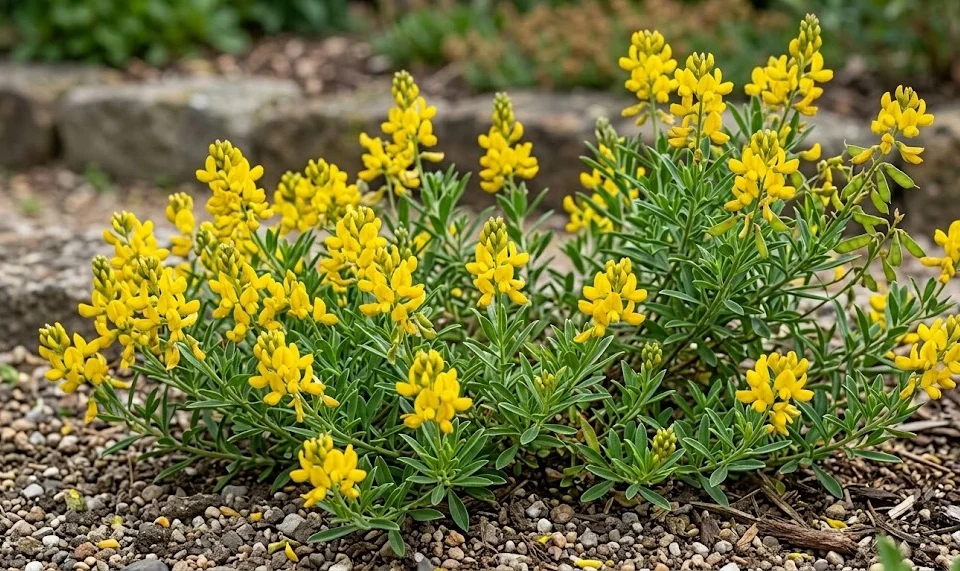

Preparing this hardy shrub for the winter months is a straightforward process that focuses on protection and dormancy management. While the species is well-equipped to handle cold temperatures, certain steps can help ensure it emerges in peak condition next spring. You should aim to complete your winter preparations before the first hard freeze settles into the ground. A little foresight during the autumn will save you from potential headaches when the growing season begins again.
The goal of overwintering is not to keep the plant warm, but rather to prevent extreme fluctuations in temperature and moisture. Dormancy is a natural and necessary part of the plant’s life cycle that allows it to rest and rejuvenate its internal systems. You will find that a properly prepared plant is much less likely to suffer from winter kill or branch breakage. Professional gardeners know that the foundation for a beautiful summer display is laid during the quiet months of winter.
Hardiness and cold preparation
This shrub is typically hardy to quite low temperatures, often surviving down to minus twenty degrees Celsius without significant damage. However, the combination of wet soil and freezing temperatures can be much more dangerous than cold alone. You should ensure that the drainage is still functioning correctly as the weather turns colder and the evaporation rate drops. Avoid any late-season pruning, as the resulting new growth would be too tender to survive the upcoming frost.
If you live in a particularly exposed area with high winds, providing a temporary windbreak can protect the branches from desiccation. Winter winds can pull moisture out of the stems faster than the frozen roots can replace it, leading to “dieback.” You can use burlap or simple wooden screens to shield younger plants from the brunt of the north wind. Once the plant is established and has developed a thicker bark, this extra protection is usually no longer necessary.
Mulching and soil insulation
Applying a fresh layer of mulch in the late autumn is one of the most effective ways to protect the root system. A layer of wood chips, straw, or bark helps to insulate the soil and keep the temperature more consistent throughout the winter. This prevents the “heaving” of the soil that occurs when the ground repeatedly freezes and thaws, which can damage delicate roots. You should make sure the mulch is a few inches thick but keep it away from direct contact with the main stem.
More articles on this topic
The mulch also helps to retain a small amount of moisture in the soil, which is important even during the dormant season. Roots can still lose water during dry, sunny winter days, so having a protected soil surface is a major advantage. As the mulch slowly breaks down over the winter, it will also contribute a small amount of organic matter to the soil surface. This simple task provides multiple benefits for the plant’s long-term health and seasonal transition.
Risks of winter pruning
One of the most common mistakes in overwintering is cutting the plant back too early in the autumn or during a mid-winter thaw. Pruning stimulates the plant’s hormones and can trick it into thinking it is time to start growing again if the weather is mild. Any new shoots that appear will be incredibly vulnerable to the next cold snap, which can lead to significant structural damage. It is always better to wait until the very end of winter or early spring before reaching for your pruning shears.
You can, however, remove any branches that have been clearly broken by heavy snow or ice during the winter. These jagged breaks can be entry points for diseases once the temperatures start to rise in the spring. Use clean, sharp tools to make a tidy cut back to healthy wood as soon as the damage is noticed. Keeping the plant’s structure clean and free of dead weight will help it focus its energy correctly when spring finally arrives.
Caring for container plants
If you are growing this shrub in a pot, it will require a bit more attention during the winter than those planted in the ground. Container soil freezes much faster and more deeply than the earth, which puts the roots at a much higher risk of damage. You can protect your potted specimens by moving them to a sheltered location, such as against a south-facing wall or into an unheated garage. Wrapping the pot in bubble wrap or burlap can also provide an extra layer of much-needed insulation for the roots.
More articles on this topic
Check the moisture levels in the pot occasionally, as container soil can dry out completely even in the middle of winter. You only need to provide a small amount of water if the soil feels bone-dry to the touch, and only when the temperature is above freezing. Avoid keeping the pot in a saucer of water, as this will lead to ice buildup and root rot during the cold months. With these extra precautions, your container-grown shrubs will be ready to burst into growth as soon as the sun warms up.