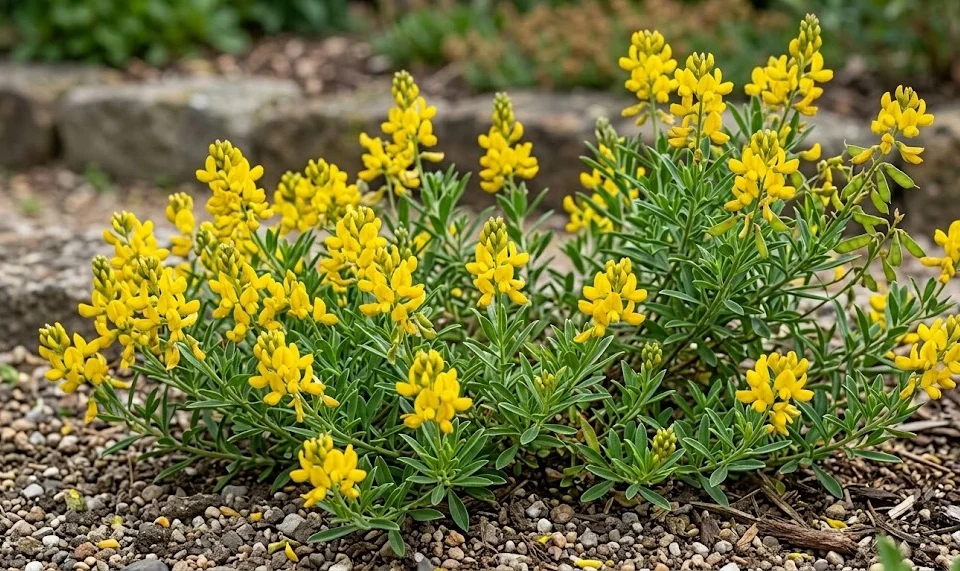

The hydration and nutritional needs of this shrub are quite different from many common garden perennials due to its hardy nature. While young plants require regular attention to establish their roots, mature specimens are surprisingly self-sufficient in most climates. You must strike a careful balance to avoid the pitfalls of over-watering, which can lead to rapid decline. Understanding the unique metabolism of this species will help you provide exactly what it needs without wasting resources.
Over-fertilizing is a common mistake that can actually harm the plant’s structural integrity and flowering potential. Because it can fix its own nitrogen, adding heavy doses of traditional garden fertilizers is usually unnecessary and counterproductive. You should focus on maintaining a healthy soil environment rather than force-feeding the plant with synthetic chemicals. A minimalist approach often yields the best results for this specific woody shrub.
Establishing a watering routine
During the first growing season after planting, you should monitor the soil moisture levels closely to support root expansion. Water the base of the plant deeply once or twice a week, depending on the local weather conditions and rainfall. It is better to provide a large volume of water less frequently than to give light sprinkles every day. This practice encourages the roots to grow deeper into the soil in search of moisture, making the plant more drought-tolerant.
As the plant matures, you can gradually reduce the frequency of supplemental watering during the summer months. Mature shrubs typically only need extra water during periods of extreme heat or prolonged drought that lasts for several weeks. You will notice that the plant is exceptionally resilient and can maintain its green appearance even when the surrounding grass turns brown. Always check the soil a few inches below the surface before deciding to turn on the garden hose.
Soil nutrients and nitrogen fixation
One of the most fascinating aspects of this plant is its ability to cooperate with Rhizobium bacteria in the soil. These bacteria live in small nodules on the roots and convert atmospheric nitrogen into a form the plant can use for growth. This means the shrub can thrive in “hungry” soils where other plants might show signs of nutrient deficiency. You are essentially working with a plant that carries its own fertilizer factory within its root system.
More articles on this topic
Because of this natural ability, adding high-nitrogen fertilizers will often result in excessive green growth at the expense of flowers. It can also make the stems weak and floppy, causing the plant to lose its attractive, upright habit. If you feel the soil is extremely poor, a light application of a balanced, slow-release fertilizer in early spring is more than sufficient. Always observe the plant’s reaction to any soil amendments before considering a second application later in the year.
Risks of over-hydration
The greatest threat to the health of this species in a garden setting is often too much water rather than too little. When the roots sit in waterlogged soil, they are unable to breathe, which leads to a condition known as root asphyxiation. This often manifests as yellowing foliage, wilting despite wet soil, or a general lack of vigor in the whole plant. You must ensure that your irrigation system does not accidentally over-saturate the area where the shrub is growing.
In regions with high rainfall, choosing a sloping site or creating a raised bed can help mitigate the risks of over-hydration. If you notice signs of moisture stress, the first step should be to stop all watering and allow the soil to dry out completely. You can also improve surface evaporation by removing any thick mulch that might be trapping excessive moisture against the crown. Prevention through proper site selection is always more effective than trying to save a water-damaged plant.
Seasonal nutritional adjustments
The nutritional needs of the shrub change slightly as it moves through the different phases of its annual growth cycle. In early spring, the plant draws on stored energy to push out new leaves and prepare for the flowering season. This is the only time when a very light top-dressing of organic matter might be beneficial to support the upcoming energy expenditure. You should avoid any fertilization once the flowers have started to fade in the mid-summer heat.
More articles on this topic
During the autumn, the plant begins to move nutrients from its leaves into its woody structure for winter storage. Applying fertilizer at this time is risky because it might encourage soft, new growth that will be killed by the first hard frost. The goal during the late season is to help the wood “ripen” and harden off properly for the cold months ahead. Trusting the plant’s natural rhythm is usually the most professional way to handle its nutritional requirements throughout the year.
Signs of nutrient imbalance
Being able to read the signals the plant sends through its foliage is a vital skill for any dedicated gardener or landscaper. If the leaves appear pale or stunted despite proper light and water, there may be a genuine deficiency in the soil. However, these symptoms are often caused by pH issues that prevent the plant from accessing the nutrients already present. Checking the soil acidity can often solve a “nutritional” problem without needing to add any more fertilizer.
Conversely, if the plant is growing rapidly but failing to produce any of its signature yellow flowers, you may have over-fertilized. Dark green, lush foliage on very long, thin stems is a classic sign of excessive nitrogen levels in the environment. In such cases, the best course of action is to stop all feeding and let the plant use up the excess nutrients naturally. Over time, the plant will return to its balanced state and resume its normal flowering and growth patterns.