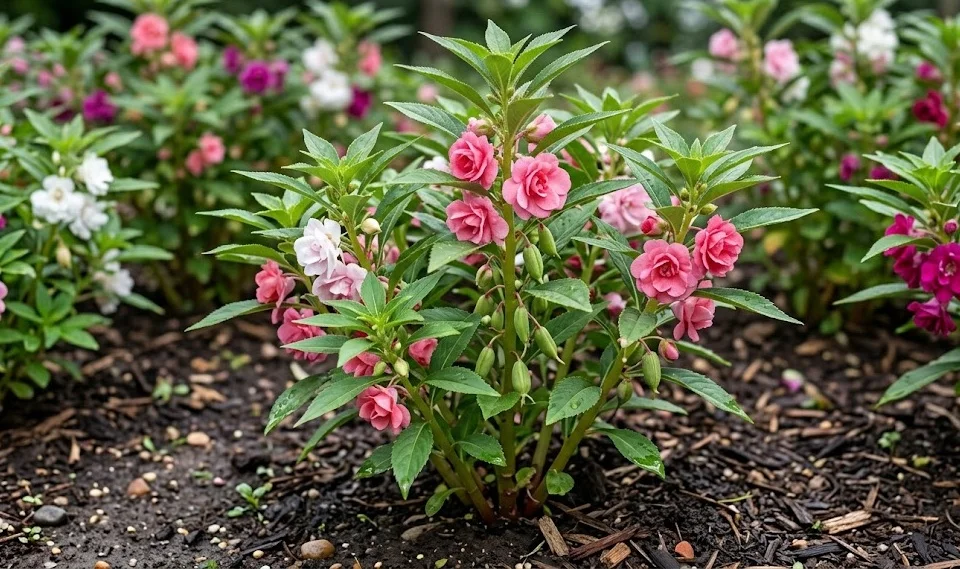

Pruning is a fundamental horticultural skill that can transform the appearance and productivity of your garden balsam when applied correctly. While these annuals are generally low-maintenance, a bit of strategic cutting can encourage a bushier growth habit, promote more flowers, and extend the life of the plant. Understanding when and how to remove parts of the plant is the key to maintaining a vibrant and healthy display throughout the entire growing season. By mastering these simple techniques, you can ensure that your balsam remains a tidy and attractive feature in your landscape from spring until frost.
The most basic form of pruning for the balsam is known as deadheading, which is the simple act of removing spent or fading flowers. By taking off the old blooms before they can develop into seed pods, you signal to the plant that its work is not yet done. This redirects the energy that would have been used for seed production back into the creation of new flower buds and healthy green foliage. A consistent deadheading routine will keep your plants looking fresh and will significantly increase the total number of flowers you enjoy over the summer.
Pinching back young plants is another essential technique for creating the full, bushy specimens that most gardeners prefer. When the balsam is about six inches tall, you can use your thumb and forefinger to snap off the very top growing tip of the main stem. This removal of the terminal bud breaks the plant’s apical dominance and encourages the dormant buds along the stem to grow into new lateral branches. The result is a plant that is shorter, sturdier, and has many more locations for flowers to form as it matures.
For older plants that have become leggy or sparse in the mid-summer heat, a more significant “haircut” can often rejuvenate their appearance. Cutting back the long, trailing stems by about one-third can stimulate a fresh flush of growth from the center of the plant. This is particularly useful for balsam varieties that tend to get “tired” looking after a long period of heavy blooming in July or August. Always use a pair of clean, sharp garden snips to make your cuts, ensuring that you leave a few leaves on each stem to help the plant recover.
Tools and timing for effective pruning
Selecting the right tools for the job is important for making clean cuts that heal quickly and do not invite disease into the plant’s tissues. For most balsam tasks, a small pair of needle-nose pruners or even sharp household scissors is all you really need. Because the stems of the balsam are succulent and relatively soft, they do not require heavy-duty loppers or saws to manage. Keeping your blades clean and sharp is the most important part of tool maintenance, as it prevents crushing the stems and ensures a precise cut every time.
More articles on this topic
The timing of your pruning efforts should coincide with the plant’s natural growth cycles and the weather conditions in your area. Avoid pruning during the hottest part of the day or during periods of extreme drought, as this can add unnecessary stress to the plant. The early morning hours are often the best time for these tasks, as the plants are well-hydrated and the cooler temperatures help them recover more quickly. If a heavy rain is in the forecast, it is also a good idea to wait until the foliage is dry before you start cutting to prevent the spread of fungal spores.
Consistency is more effective than doing one large pruning session at the end of the month, as it keeps the plant in a steady state of growth. Try to spend a few minutes each week tidying up your balsam plants as part of your regular garden walk-through. This proactive approach allows you to catch any small issues, like a broken stem or a yellowing leaf, before they become major problems. It also makes the task feel like a relaxing part of your hobby rather than a chore that you have to tackle all at once.
Disposing of your pruning clippings properly is a professional habit that helps to maintain a clean and healthy garden environment. While healthy green stems and leaves can be added to your compost pile, any material that shows signs of disease should be placed in the trash. This prevents pathogens from overwintering in your compost and infecting your new plants in the following spring. Keeping the area around the base of your plants free of fallen debris also improves air circulation and reduces the hiding spots for pests like slugs and snails.
Shaping the plant for maximum visual impact
The way you prune your balsam can also be used to achieve specific aesthetic goals within your overall garden design. If you are growing them in a formal border, you may want to keep them at a uniform height and shape through regular trimming. In a more casual cottage garden, you might allow them to grow more naturally, only stepping in to remove the most unruly or damaged branches. Thinking about the “look” you want to achieve will help guide your pruning decisions throughout the season.
More articles on this topic
For balsam planted in containers, pruning is often necessary to keep the plants from overgrowing their space or becoming top-heavy. You can use your snips to maintain a rounded, mounded shape that complements the proportions of the pot and any other plants you have included in the arrangement. This careful grooming keeps the container garden looking intentional and well-cared-for even as the plants grow rapidly in the summer heat. It also ensures that the central part of the plant continues to receive enough light and air to stay healthy and green.
Thinning out some of the internal branches is a more advanced technique that can improve the health of very dense balsam specimens. By removing a few of the smaller stems from the middle of the plant, you increase the light penetration and air flow to the center of the foliage. This reduces the risk of the internal leaves turning yellow and dropping off due to lack of light or excessive humidity. This “opening up” of the plant also makes it easier to spot and treat any pests that might be hiding deep within the bushy growth.
Ultimately, the goal of pruning and cutting back your garden balsam is to support the plant’s natural beauty and longevity. It is a process of collaboration between the gardener and the plant, where your interventions help the balsam reach its full potential. Don’t be afraid to experiment with different techniques and see how your plants respond, as the balsam is a very forgiving species. With a little practice, you will develop the intuition and skill needed to keep your garden balsam looking its absolute best all season long.