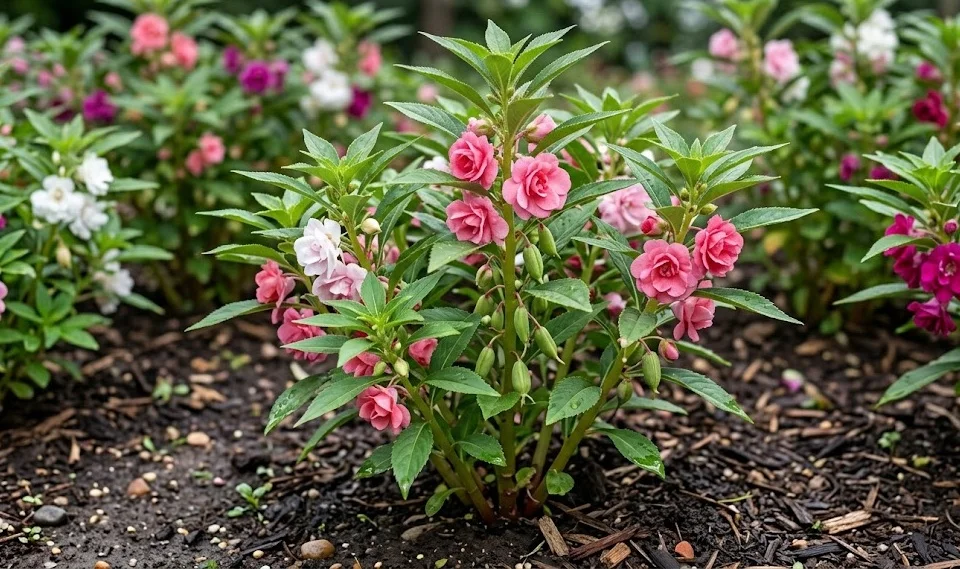

Proper hydration and nutrition are the two most influential factors in determining the health and beauty of your garden balsam throughout the summer. These plants are characterized by their succulent, water-filled stems, which makes them particularly sensitive to fluctuations in moisture levels. A consistent and thoughtful approach to these tasks will prevent common problems like wilting, leaf drop, and poor flower production. By learning to read the signals your plants are sending, you can provide the exact care they need to thrive in your specific garden environment.
Establishing a watering routine that matches the needs of your balsam requires an understanding of your local climate and soil type. During periods of active growth and flowering, these plants will require more frequent attention than they might in the cooler spring months. You should aim to keep the soil consistently moist to the touch, similar to a wrung-out sponge, rather than allowing it to dry out completely. Checking the soil moisture daily during the peak of summer heat is a good habit for any dedicated gardener to adopt.
The method of delivery is just as important as the frequency of watering when it comes to maintaining healthy balsam plants. Applying water directly to the base of the plant at the soil level is the best way to ensure the roots get what they need without wetting the foliage. Wet leaves can act as a breeding ground for various fungal diseases, especially if the air is still and the humidity is high. Using a soaker hose or a drip irrigation system is a professional way to manage this task efficiently and effectively.
Morning is the ideal time to water your garden balsam, as it allows the plants to hydrate before the stress of the midday sun arrives. This timing also ensures that any accidental moisture on the leaves has plenty of time to evaporate during the day. If you must water in the evening, try to do it early enough so the plants are not sitting in wet conditions overnight. Consistency in your timing helps to regulate the plant’s internal water pressure and reduces the risk of stem splitting or other physiological issues.
Monitoring for signs of overwatering is just as critical as ensuring the plants do not go thirsty during a heatwave. If the soil remains saturated for long periods, the roots will begin to suffocate and rot, leading to a rapid decline in the plant’s health. You might notice the leaves turning yellow or the stems becoming mushy and dark near the soil line if the drainage is poor. If you suspect overwatering, allow the soil to dry out slightly and consider improving the drainage of the area before the next irrigation cycle.
More articles on this topic
Designing a fertilization schedule for peak performance
Providing a balanced supply of nutrients is essential for supporting the rapid growth and prolific blooming of the garden balsam. These annuals are fairly fast-growing and will quickly deplete the natural resources of the soil if they are not supplemented. A professional fertilization plan usually begins with a base layer of organic matter added to the soil before any plants are installed. This provides a steady, slow-release source of nitrogen and minerals that helps the young plants establish themselves firmly.
As the plants move into their peak flowering stage, they will benefit from a more targeted application of water-soluble fertilizers. A formula with a higher phosphorus content, often labeled as a “bloom booster,” can help to increase the number and size of the flowers. These liquid feeds are quickly absorbed by the roots and can provide a noticeable lift to the plant’s appearance within just a few days. Applying these nutrients every two to three weeks is generally sufficient to keep the plants looking their best without over-stimulating them.
It is important to always follow the manufacturer’s instructions regarding the concentration and application rate of any fertilizer you choose to use. Over-fertilizing can lead to a buildup of salts in the soil, which can actually prevent the plant from taking up water effectively. Signs of nutrient toxicity include burnt leaf edges, stunted growth, and a lack of flowers despite having lush green foliage. If you notice these symptoms, flushing the soil with clean water can help to wash away the excess minerals and restore balance.
Organic fertilizers, such as fish emulsion or liquid seaweed, are excellent alternatives for those who prefer a more natural approach to garden maintenance. These products provide a wide range of trace minerals and beneficial compounds that synthetic fertilizers often lack. They are also much less likely to cause root burn and help to support the overall health of the soil ecosystem. Incorporating these organic options into your routine creates a more resilient garden that can better withstand environmental challenges.
More articles on this topic
Adapting care to changing weather conditions
The water and nutrient needs of your balsam will naturally fluctuate as the weather changes throughout the growing season. During cool, cloudy periods, the plants will transpire less water and will not need to be irrigated as frequently as they do in the sun. It is always better to check the actual moisture level of the soil rather than sticking blindly to a calendar-based schedule. This flexible approach ensures that the plants are never stressed by either too much or too little water at any given time.
In contrast, during a prolonged heatwave, you may find that your balsam requires watering twice a day to keep it from wilting. Plants in containers are particularly vulnerable to drying out quickly because they have a limited volume of soil to hold moisture. Adding water-retaining crystals to the potting mix or using self-watering containers can help to mitigate this risk for your potted specimens. Providing temporary shade during the hottest part of the day can also reduce the plant’s water demand and prevent heat stress.
Heavy rainfall can also disrupt your fertilization schedule by leaching nutrients out of the soil before the plants can absorb them. After a significant storm, it may be necessary to reapply a liquid fertilizer to ensure the plants have the resources they need to recover. This is especially true for nitrogen, which is very mobile in the soil and easily washed away by large volumes of water. Keeping a close eye on the weather and your plants’ reactions will help you make these necessary adjustments on the fly.
Windy conditions can be surprisingly dehydrating for garden balsam, even if the temperatures are relatively mild. The moving air increases the rate of evaporation from both the soil and the leaves, which can lead to rapid wilting if the roots are not prepared. If your garden is in an exposed location, consider using windbreaks or grouping plants together to create a more humid microclimate. Maintaining a thick layer of mulch will also help to protect the soil surface from the drying effects of the wind.
Understanding the role of micronutrients in balsam health
While nitrogen, phosphorus, and potassium are the primary nutrients, several micronutrients play vital roles in the overall health of the balsam. Iron, magnesium, and calcium are all necessary for the production of chlorophyll and the structural integrity of the plant’s cells. A deficiency in these elements can manifest as chlorosis, where the leaves turn pale while the veins remain dark green. High-quality potting soils and composts usually contain enough of these trace elements to satisfy the plant’s modest requirements.
The pH of your soil directly affects how easily these micronutrients can be absorbed by the balsam’s root system. In soils that are too alkaline, certain minerals become “locked” and are no longer available to the plant, regardless of how much fertilizer you apply. This is why maintaining a slightly acidic environment is so important for the long-term success of your garden beds. If you suspect a micronutrient issue, a professional soil test is the most accurate way to identify the problem and find a solution.
Calcium is particularly important for the development of strong stems and the prevention of blossom end rot in some flowering plants. While balsam does not typically suffer from this specific issue, adequate calcium ensures that the cell walls remain firm and resistant to pathogens. Adding crushed eggshells or a bit of garden lime to the soil can provide a slow-releasing source of this essential mineral over time. This proactive measure contributes to the overall structural stability of your garden’s floral display.
Magnesium is the central atom in the chlorophyll molecule, making it absolutely essential for the process of photosynthesis. Without enough magnesium, the plant cannot effectively convert sunlight into the energy it needs to grow and produce flowers. Epsom salts are a common household remedy for magnesium deficiency, but they should be used sparingly and only if a deficiency is confirmed. Maintaining a balanced soil ecosystem with plenty of organic matter is usually the best way to ensure all nutritional needs are met.
Practical tips for efficient resource management
Using a rain gauge in your garden is a simple but effective way to track how much natural irrigation your plants are receiving. This data allows you to adjust your supplemental watering more accurately and prevents the waste of precious water resources. Most garden plants, including balsam, require about an inch of water per week, either from rain or from the hose. Knowing exactly how much water has fallen helps you maintain the perfect balance for your thirsty annuals.
Collecting rainwater in a barrel is another excellent way to manage your garden’s needs while being environmentally conscious. Rainwater is typically free of the chlorine and fluoride found in municipal tap water, making it a healthier choice for sensitive plants. It is also usually at a more natural temperature for the plants, reducing the risk of shocking the roots with cold water on a hot day. Just be sure to keep the barrel covered to prevent it from becoming a breeding ground for mosquitoes or other pests.
Applying fertilizer through a siphon mixer attached to your garden hose can save a significant amount of time and effort for larger gardens. This tool allows you to deliver a consistent concentration of liquid feed as you go about your regular watering routine. It ensures that every plant gets its fair share of nutrients without the need for mixing multiple heavy watering cans. This professional approach to feeding is both efficient and highly effective for maintaining large-scale floral displays.
The end of the growing season is a good time to reflect on your watering and fertilizing strategies and make plans for the following year. Consider whether certain areas of the garden were consistently too dry or if some plants showed signs of nutrient stress that you could address sooner next time. Improving your soil through the addition of organic matter during the off-season will make your job much easier when spring returns. This cycle of continuous improvement is what transforms a casual hobbyist into a master gardener.