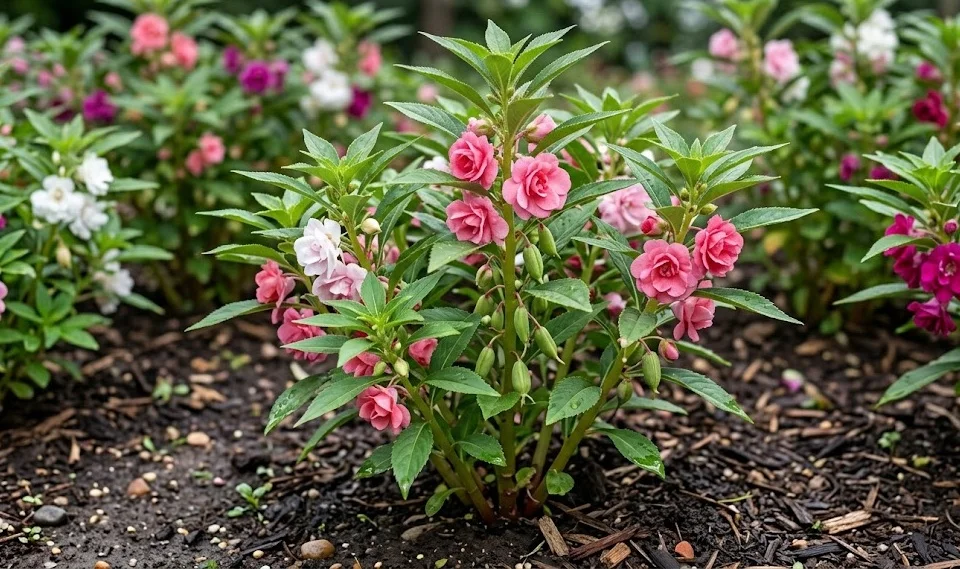

The garden balsam is a truly remarkable annual that has graced traditional gardens for centuries with its vibrant colors and unique seed pods. This plant is often celebrated for its resilience and its ability to thrive in various conditions while providing a constant display of flowers. Understanding the fundamental needs of this species is the first step toward achieving a lush and healthy garden display throughout the summer months. By paying close attention to its environment and growth habits, any gardener can enjoy the prolific blooming nature of this classic ornamental favorite.
Providing the right foundation for your balsam plants begins with selecting a location that mimics their native tropical habitats. These plants prefer a site that offers a balance of warmth and protection from the harshest afternoon sun. The soil should be consistently moist but never waterlogged, as their succulent stems are prone to rot in standing water. Adding organic matter to the planting site will help maintain the necessary moisture levels while providing essential nutrients for the early stages of growth.
Air circulation is another critical factor that often goes overlooked when planning the placement of these colorful annuals. While they enjoy humidity, stagnant air can lead to fungal issues that may compromise the health of the foliage and flowers. Spacing the plants appropriately allows for better wind flow and reduces the risk of disease transmission between neighboring specimens. Proper spacing also ensures that each individual plant has enough room to develop its characteristic upright and bushy form.
Seasonal timing plays a vital role in the successful establishment of garden balsam within a temperate landscape. You should wait until all danger of frost has passed and the soil has warmed significantly before moving them outdoors. Cold temperatures can stunt the growth of young plants or even lead to complete failure if they are exposed to late-season freezes. Monitoring the local weather forecast during the spring transition is a wise practice for any dedicated horticulturalist.
Choosing the ideal soil composition
The physical structure of the soil is perhaps the most important subterranean factor for the overall vitality of the balsam. A loamy texture that allows for both water retention and adequate drainage is the gold standard for these thirsty plants. You can achieve this by mixing high-quality topsoil with aged compost or well-rotted leaf mold to improve the structure. Avoiding heavy clay soils is necessary because they tend to compact and suffocate the delicate root systems over time.
More articles on this topic
Nutrient availability within the soil profile must be managed carefully to support the rapid growth of this annual. While balsam is not an excessively heavy feeder, it does require a steady supply of nitrogen and phosphorus to build strong stems and flowers. Incorporating a slow-release organic fertilizer at the time of planting can provide a sustained source of nourishment for several weeks. This proactive approach reduces the need for frequent supplemental feeding during the peak of the growing season.
The pH level of the soil should ideally fall within the slightly acidic to neutral range for optimal nutrient uptake. Most garden soils can be adjusted with lime or sulfur if testing reveals an extreme deviation from this preferred window. Regular testing of your garden beds provides valuable data that can help you tailor your soil amendments more accurately. Healthy soil chemistry translates directly into more vibrant flower colors and a more robust resistance to environmental stressors.
Mulching around the base of the plants is a professional technique that offers multiple benefits for moisture management. A layer of organic mulch, such as shredded bark or straw, helps to keep the roots cool during the heat of mid-summer. It also acts as a barrier that prevents soil-borne pathogens from splashing onto the lower leaves during heavy rainstorms. Furthermore, as the mulch decomposes, it contributes to the long-term organic content and health of the garden bed.
General maintenance and upkeep
Consistency is the secret to keeping your garden balsam looking its best from the first bloom until the first frost. Regular inspections of the foliage can help you catch potential problems before they escalate into major issues for the entire crop. Removing yellowing leaves or spent blossoms not only improves the appearance but also directs energy back into new growth. This simple routine of tidying up the plants encourages a more compact and attractive habit throughout the year.
More articles on this topic
As the plants grow taller, they may occasionally require a bit of support if they are located in a particularly windy area. The stems of the balsam are somewhat brittle and can snap under the weight of heavy rain or strong gusts of wind. Small bamboo stakes or subtle circular supports can be used to keep the central stalks upright without detracting from the natural beauty. Placing these supports early in the season allows the foliage to grow around them and hide them from view.
Monitoring the growth rate of your balsam can provide clues about whether its current environment is truly meeting its needs. If you notice the plants becoming leggy or sparse, it may be a sign that they are searching for more light or nutrients. Adjusting your care routine in response to these visual cues is a hallmark of an observant and successful gardener. Healthy plants will typically exhibit thick stems and a dense canopy of deep green leaves that feel firm to the touch.
End-of-season care involves a different set of priorities as the weather begins to cool and the plants reach maturity. You might choose to leave some of the seed pods intact if you wish for the plants to self-sow for the following year. However, if you prefer a more controlled garden layout, removing the seed pods before they “explode” is a necessary maintenance task. Understanding the life cycle of the balsam allows you to plan your garden’s future with greater precision and intent.
Optimizing the blooming period
To maximize the floral display, it is important to understand the factors that trigger and sustain flower production. Balsam plants are naturally prolific, but their output can be enhanced by maintaining optimal hydration levels at all times. Stress from drought is one of the primary reasons why these plants might stop producing new buds prematurely. Ensuring that the plant never wilts significantly will keep the hormonal balance favorable for continuous flowering.
The application of a bloom-boosting fertilizer can provide the extra phosphorus needed for a truly spectacular mid-summer show. These specialized formulas are designed to support the metabolic processes involved in creating large and colorful flower structures. It is best to apply these treatments at a diluted strength to avoid burning the sensitive roots of the balsam. Always water the soil thoroughly before and after applying any liquid fertilizer to ensure even distribution.
Temperature also influences how long the flowers remain vibrant once they have fully opened on the stem. During periods of extreme heat, the blossoms may fade more quickly or drop off the plant as a defense mechanism. Providing a bit of extra shade during the hottest part of the day can help preserve the integrity of the petals. This extra protection can extend the life of each individual flower and keep the overall display looking fresh for longer.
Deadheading, or the removal of wilted flowers, is a practice that many gardeners find therapeutic and highly effective. By removing the fading blooms, you prevent the plant from putting its energy into seed production too early in the season. This signals to the plant that it needs to produce more flowers to fulfill its biological goal of reproduction. A consistent deadheading schedule can result in a noticeably denser wall of color that lasts deep into the autumn months.
Environmental adaptations and resilience
The garden balsam is known for its ability to adapt to different microclimates within a single landscape. While it thrives in the heat of a tropical summer, it can also perform surprisingly well in cooler, shaded corners of a temperate garden. This versatility makes it an excellent choice for filling gaps where other more sensitive flowers might struggle to survive. Observing how the plant responds to different light levels in your own yard will help you refine your planting strategy.
Humidity is a factor that this species genuinely appreciates, as it helps to keep the succulent tissues hydrated. In very dry climates, you might notice that the leaves lose some of their luster or develop crispy edges. Misting the foliage in the early morning can provide a temporary boost in local humidity that the plants will find beneficial. However, always ensure that the leaves have time to dry before nightfall to prevent the development of mildew or mold.
The plant’s natural resistance to many common garden toxins and pollutants makes it a good candidate for urban environments. It can tolerate the reflected heat from sidewalks and the occasional dust from nearby roads without significant distress. This ruggedness is part of why the balsam has remained a staple in cottage gardens and city parks alike for so many generations. It truly is a workhorse of the summer garden that asks for very little in exchange for its beauty.
Wind protection is one of the few environmental factors where the balsam requires a bit of human intervention. Because the stems are filled with water and have a somewhat hollow structure, they do not have the flexibility of woody shrubs. Planting them in groups can help the individuals support one another against light breezes and heavy downpours. A sheltered location behind a fence or a larger hedge is often the ideal spot for these delicate-looking but sturdy annuals.
Enhancing growth with professional techniques
Advanced gardeners often use specific pinching techniques to create a more rounded and floriferous balsam specimen. By removing the growing tip of the main stem when the plant is young, you encourage the development of lateral branches. This results in a plant that is shorter and wider, providing more surface area for flower buds to form. This simple intervention can double the number of blooms on a single plant if performed at the right stage of growth.
The use of mycorrhizal fungi during the transplanting process is another professional secret for boosting plant health. These beneficial organisms form a symbiotic relationship with the roots, helping them to absorb water and minerals more efficiently. Plants treated with these inoculants often show greater drought tolerance and a more rapid establishment in the garden. This biological approach to gardening reduces the reliance on chemical inputs while fostering a more natural ecosystem.
Foliar feeding is a specialized method of delivering nutrients directly through the leaves for a quick response. Using a seaweed-based extract or a very diluted compost tea can provide trace minerals that might be missing from the soil. This technique is particularly useful if the plant is showing signs of nutrient deficiency, such as pale or mottled leaves. Always apply foliar sprays during the coolest part of the day to avoid leaf scorch from the sun’s rays.
Long-term success with balsam involves a cycle of observation, adjustment, and record-keeping for future seasons. Taking notes on which varieties performed best in your specific soil and light conditions will save time and money later. You might find that certain colors are more vigorous or that specific planting dates yielded better results in your region. This data-driven approach allows you to evolve as a gardener and consistently produce high-quality floral displays.
Concluding thoughts on balsam longevity
Ensuring that your balsam reaches its full potential requires a commitment to the basic principles of horticultural care. By providing the right soil, moisture, and light, you create an environment where the plant can truly flourish. The rewards of this effort are visible in every vibrant petal and healthy green leaf that decorates your outdoor space. It is a plant that gives back much more than it takes, making it a favorite for both beginners and experts.
As the season draws to a close, take a moment to appreciate the journey of growth that these plants have undergone. From a tiny seed to a magnificent flowering specimen, the balsam represents the beauty of the natural world in a compact form. Saving seeds from your most successful plants is a wonderful way to carry a piece of this year’s garden into the next. This tradition connects gardeners across time and ensures the continued popularity of this charming species.
The simplicity of balsam care is one of its most attractive features for busy homeowners and professional landscapers. It does not require complex pruning or expensive equipment to look spectacular throughout the summer. A little bit of attention to the fundamentals of watering and feeding will keep the plants thriving for months on end. This makes it an ideal choice for large-scale plantings where low-maintenance beauty is the primary objective.
Ultimately, the garden balsam is a testament to the enduring appeal of classic garden plants that stand the test of time. Its ability to provide color in the shade and its charming seed pods make it a unique addition to any landscape design. Whether planted in a formal border or a casual container, it brings a sense of joy and vitality to the garden. By following these professional guidelines, you can ensure that your balsam remains a highlight of your garden for years to come.