
The long-term success of growing Japanese wood poppy depends heavily on replicating its native woodland environment within a domestic garden setting. This unique perennial requires a dedicated approach that prioritizes stability in soil moisture and temperature throughout the growing season. Maintaining the delicate balance between shade and nutrient availability ensures that the plant remains vigorous and produces its characteristic large, poppy-like blooms. Expert gardeners often emphasize that patience is key when dealing with this slow-growing species, as it can take several years to reach its full aesthetic potential.
The structural integrity of the plant is supported by its thick, fleshy rhizomes which act as the primary energy storage during the dormant months. These rhizomes are sensitive to sudden changes in soil chemistry or physical disturbance, making consistent care essential for their health. Providing a layer of organic mulch helps to stabilize the subterranean environment while slowly releasing essential minerals into the rhizosphere. Observing the foliage regularly allows for the early detection of any physiological stress caused by environmental fluctuations or improper handling.
A holistic care routine involves monitoring the local microclimate to prevent the delicate leaves from becoming desiccated during unexpected dry spells. While the plant is relatively hardy once established, it remains vulnerable to extreme heat and direct sunlight which can cause irreversible cellular damage to the leaf margins. Professional collectors recommend placing these plants in areas where air circulation is present but not excessive to avoid windburn. Such attention to detail reflects the sophisticated nature of woodland gardening and the specific needs of high-altitude Japanese flora.
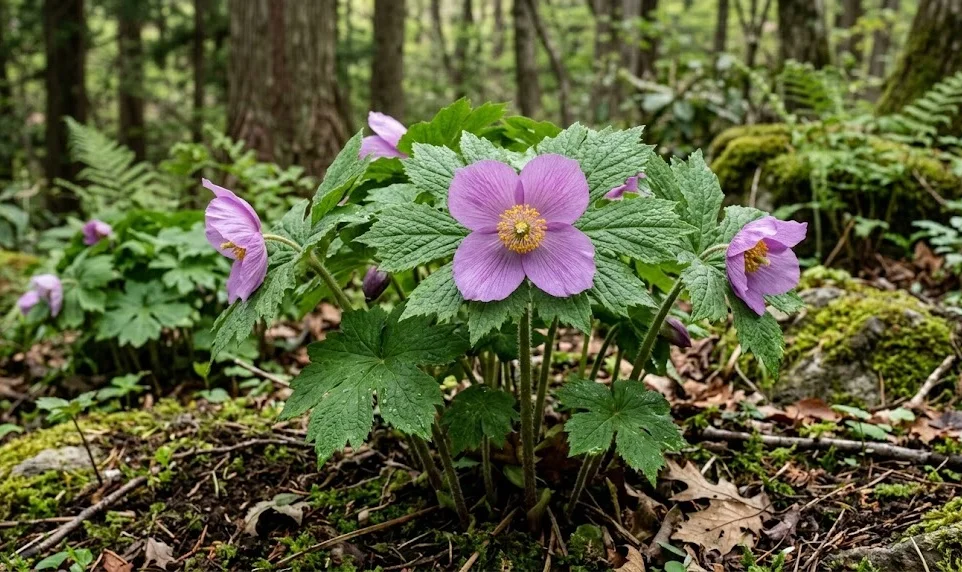
The annual growth cycle begins with the emergence of pleated, pale green leaves that gradually expand into large, palmate structures. During this phase, the plant requires a steady supply of resources to fuel the development of its flower buds and extensive leaf surface area. Failure to provide adequate support during the early spring can result in stunted growth or a lack of flowering for the current season. By understanding the phenology of the Japanese wood poppy, a gardener can tailor their interventions to match the plant’s natural rhythm.
Fundamental soil management techniques
The foundation of any successful woodland garden lies in the composition and texture of the soil used for sensitive perennials. Japanese wood poppy thrives in a medium that is rich in organic matter, offering a crumbly structure that facilitates deep root penetration. Incorporating well-rotted leaf mold or composted bark can significantly improve the water-holding capacity while maintaining necessary aeration. Professional soil tests are often conducted to ensure the pH remains in the slightly acidic to neutral range for optimal nutrient uptake.
More articles on this topic
Compaction is a significant threat to the health of the rhizomes as it restricts oxygen flow and can lead to anaerobic conditions. Avoiding heavy foot traffic around the planting area is a simple yet effective way to preserve the soil’s natural porosity. If the soil becomes too dense over time, gentle top-dressing with coarse sand or fine grit can help maintain a lighter texture. This proactive management prevents the roots from becoming suffocated during periods of heavy rainfall or intensive irrigation.
Mineral balance within the soil must be managed with care to avoid the buildup of salts that can burn the sensitive root tips. Organic amendments are preferred over synthetic products because they provide a slow-release mechanism that mimics the natural forest floor decomposition process. This approach not only feeds the plant but also supports a healthy population of beneficial soil microorganisms that assist in nutrient cycling. A vibrant soil ecosystem is the best defense against many soil-borne pathogens that might otherwise target weakened plants.
Moisture retention is critical, yet the soil must never become waterlogged or stagnant during any part of the year. The addition of perlite or pumice can assist in drainage if the natural soil has a high clay content that tends to hold too much water. Creating a raised bed or a slight mound for planting can also help gravity pull excess moisture away from the crown. These structural modifications provide the plant with a reliable environment that balances hydration with essential drainage.
Maintaining environmental stability
Woodland plants like the Japanese wood poppy are highly adapted to the stable temperatures and humidity levels found under forest canopies. Sudden spikes in temperature can lead to rapid transpiration, causing the large leaves to wilt and lose their turgor pressure. To mitigate this risk, gardeners should position the plants in a location that benefits from the cooling effect of surrounding vegetation. The presence of nearby shrubs or trees creates a buffer zone that protects the poppy from the harsh realities of open-garden conditions.
More articles on this topic
Air humidity is often an overlooked factor in the successful cultivation of rare woodland species. During the peak of summer, the air can become too dry, leading to crispy leaf edges and a general decline in plant vigor. Installing a simple misting system or placing the plants near a water feature can help elevate the local humidity to more acceptable levels. These small adjustments create a microclimate that more closely resembles the misty mountain forests of Japan where these plants originate.
Wind protection is equally important, as strong gusts can physically damage the large, delicate leaves and increase the rate of moisture loss. Planting behind a natural windbreak, such as a hedge or a sturdy fence, provides a sanctuary where the poppy can grow undisturbed. If a natural windbreak is not available, temporary screening can be used during particularly stormy periods to prevent mechanical injury. Protecting the physical structure of the plant ensures that it can continue to photosynthesize efficiently throughout the season.
Thermal consistency in the soil is achieved through the strategic use of mulches that act as an insulating layer. During the day, mulch prevents the sun from overheating the ground, and at night, it helps retain some of the warmth. This reduces the stress on the rhizomes, which prefer a relatively cool and stable subterranean environment. Consistency is the hallmark of professional care, as it prevents the plant from being forced into premature dormancy or suffering from heat shock.
Mulching and surface protection
A thick layer of organic mulch is perhaps the most beneficial intervention a gardener can provide for a Japanese wood poppy. Materials such as shredded leaves, pine needles, or composted wood chips are ideal because they break down slowly over time. This layer serves as a protective barrier that suppresses weed growth and prevents the soil from crusting over. Regular replenishment of the mulch layer ensures that the rhizomes are always covered and protected from the elements.
The depth of the mulch should be maintained at around five to ten centimeters to provide effective insulation and moisture retention. Care must be taken to keep the mulch a few centimeters away from the actual crown of the plant to prevent rot. If the mulch is piled directly against the stems, it can trap too much moisture and create an environment where fungal pathogens thrive. Proper placement of the mulch maximizes its benefits while minimizing potential risks to the plant’s health.
As the mulch decomposes, it enriches the upper layers of the soil with humus, which is vital for the long-term fertility of the site. This process mimics the natural leaf litter cycle of a forest, providing a continuous supply of micro and macronutrients. The improved soil structure resulting from this decomposition also enhances the ability of the ground to absorb and hold rainwater. This sustainable method of soil improvement reduces the need for external chemical inputs and fosters a more natural growth habit.
During the winter months, a fresh application of mulch can provide an extra layer of protection against the damaging effects of freeze-thaw cycles. Heaving of the soil can expose the rhizomes to sub-zero temperatures, which may lead to terminal damage in some climates. A sturdy winter mulch keeps the ground temperature more uniform and holds the rhizomes securely in place until spring arrives. This simple cultural practice is a cornerstone of professional woodland plant management in temperate regions.
Monitoring seasonal growth phases
The arrival of spring marks the most critical period for the Japanese wood poppy as it breaks dormancy and pushes forth new growth. Gardeners must be vigilant during this time to protect the emerging shoots from late frosts that can blacken the tender tissue. If a frost is predicted, covering the plants with a light horticultural fleece can provide enough warmth to prevent damage. Monitoring the local weather forecast becomes a daily task for the dedicated horticulturalist during these transition weeks.
As the leaves expand, the plant enters a period of high metabolic activity where its demand for water and nutrients peaks. This is the time to ensure that the soil remains consistently moist but never saturated to support the rapid development. Observing the color and texture of the new leaves can provide clues about the plant’s overall health and nutrient status. Vibrant green, pleated leaves are a sign that the poppy is finding exactly what it needs in its current environment.
The flowering period is the highlight of the growing season, usually occurring in late spring or early summer depending on the local climate. Large, lavender-blue flowers appear at the center of the foliage, creating a stunning visual contrast with the deep green leaves. During this phase, it is important to minimize any physical disturbance to the plant to ensure the blooms last as long as possible. High temperatures during flowering can shorten the lifespan of the petals, so additional shade may be beneficial if an unseasonable heatwave occurs.
Post-flowering care focuses on maintaining the foliage in good condition to allow the plant to store energy for the following year. While the blooms are temporary, the leaves remain functional for several months and are essential for the health of the rhizome. If the plant is allowed to set seed, it will divert significant energy away from the roots, which may affect next year’s growth. Professional gardeners often remove the developing seed heads unless they specifically intend to collect seeds for propagation purposes.
Aesthetic integration in the garden
Integrating the Japanese wood poppy into a larger garden design requires an understanding of its visual scale and growth habit. It serves as an excellent focal point in a shaded border, where its unique foliage can be appreciated even when not in bloom. Pairing it with other shade-loving perennials like hostas, ferns, and epimediums creates a lush, multi-layered woodland effect. The contrasting textures of these plants enhance the overall visual appeal of the garden space throughout the growing season.
The architectural quality of the leaves makes this poppy a favorite for designers who want to add structure to a quiet corner. Its mounded growth habit provides a sense of stability and permanence within the shifting landscape of a perennial bed. Large groups of these plants can be used to create a dramatic groundcover effect under the canopy of deciduous trees. This mass planting approach not only looks impressive but also helps to create a shared microclimate that benefits all the individual plants.
Color coordination is another consideration, as the soft lavender or white flowers of the poppy pair beautifully with pastel tones. Many gardeners choose to plant them near species with silver or variegated foliage to brighten up darker areas of the garden. The interplay of light and shadow on the pleated leaves adds a dynamic element to the garden’s visual composition. Careful placement ensures that the plant is visible from paths or seating areas where its delicate details can be fully admired.
Maintaining the aesthetic quality of the plant involves the regular removal of any yellowing or damaged leaves that might detract from its appearance. This simple grooming keeps the plant looking tidy and prevents the accumulation of debris that could harbor pests. As the season draws to a close, the foliage may take on subtle autumnal hues before eventually dying back to the ground. Allowing this natural progression to occur is part of the charm of growing a plant that is so closely tied to the cycles of the forest.
Advanced horticultural observations
Experienced growers often note that the Japanese wood poppy exhibits a degree of individual variation in its growth rate and flower intensity. Some specimens may thrive in conditions that others find challenging, suggesting a complex interaction between genetics and the local environment. Keeping detailed records of planting dates, soil amendments, and weather patterns can help a gardener refine their approach over several years. This data-driven method allows for a more nuanced understanding of what truly makes this species flourish in a specific garden.
Observing the interaction between the plant and local pollinators can also be a fascinating aspect of its cultivation. While it is a specialized species, it still attracts a variety of insects that are drawn to its nectar and pollen during the short flowering window. Encouraging a diverse insect population in the garden contributes to a healthier ecosystem and may improve seed set if desired. This connection to the broader environment highlights the importance of using sustainable gardening practices that support all forms of life.
The longevity of a well-cared-for Japanese wood poppy can span decades, making it a true legacy plant in any collection. Over time, the clump will slowly expand, becoming more impressive with each passing year as the rhizome system matures. This slow and steady growth is a testament to the plant’s resilience when provided with the correct cultural conditions. Sharing divisions with fellow enthusiasts is a traditional way to preserve rare plants and build a community of like-minded gardeners.
Ultimately, the care of this exquisite perennial is a rewarding journey that connects the gardener to the unique flora of the Japanese mountains. It requires a blend of technical knowledge, keen observation, and a genuine appreciation for the slow pace of woodland life. Those who master its requirements are rewarded with a garden inhabitant that offers unparalleled beauty and a sense of horticultural accomplishment. Every season brings new lessons and a deeper appreciation for the intricate needs of the Japanese wood poppy.