
Effective irrigation and nutrient management are the primary factors that influence the growth rate and color of the atlas cedar. While mature trees are relatively drought-tolerant, they still benefit from supplemental water during extreme weather conditions. Understanding the specific needs of the tree at different stages of its life allows for a more efficient use of resources. A professional approach to hydration and fertilization ensures that the tree remains a vibrant and healthy part of the ecosystem.
Irrigation principles for conifers like the atlas cedar focus on deep, infrequent watering rather than shallow, daily sessions. This method encourages the roots to grow deeper into the soil profile, making the tree more resilient to dry periods. During the establishment phase, which typically lasts two to three years, the root zone should remain consistently moist but never waterlogged. Monitoring the soil at a depth of ten centimeters provides a clear indication of when the next watering session is required.
Youthful trees have significantly different water requirements compared to well-established, mature specimens. A young cedar lacks the extensive root network needed to tap into deep groundwater reserves, making it dependent on surface moisture. As the tree ages, the frequency of watering can be reduced, but the volume should be increased to reach the deeper root layers. In sandy soils, water drains quickly, necessitating more frequent applications than in heavier clay-based soils that hold moisture longer.
Fertilization fundamentals involve providing a balanced blend of nutrients that support both foliage color and structural wood strength. A slow-release fertilizer applied in early spring provides a steady supply of nutrients throughout the growing season. It is important to avoid high-nitrogen fertilizers that promote rapid, weak growth which can be easily damaged by pests or weather. Testing the soil every few years allows for a tailored fertilization plan that addresses specific mineral deficiencies in the local environment.
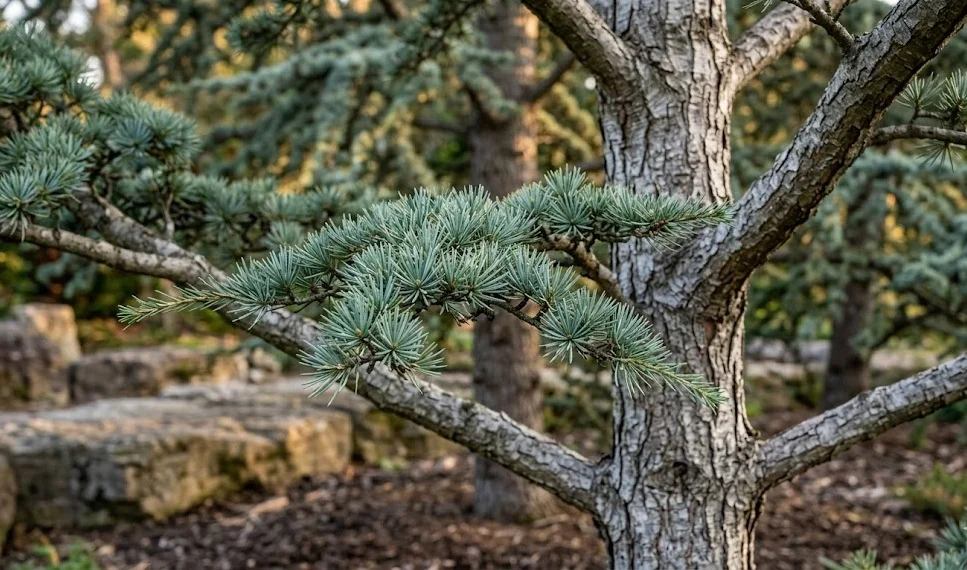
Micronutrients and soil pH play a hidden but vital role in the overall appearance of the atlas cedar. Iron and magnesium are particularly important for maintaining the deep blue or green hues of the needles. If the soil is too alkaline, the tree may struggle to absorb these essential minerals, leading to chlorosis or yellowing of the foliage. Adjusting the pH with elemental sulfur or using chelated mineral sprays can quickly correct these issues and restore the tree’s natural beauty.
More articles on this topic
Application timing is critical to ensure that the tree can actually utilize the nutrients provided. The best time to fertilize is just before the new growth starts in the spring, allowing the tree to fuel its primary development phase. Fertilizing too late in the summer can lead to a flush of new growth that does not have time to harden off before the first frost. By coordinating fertilization with the tree’s natural biological clock, the gardener maximizes the effectiveness of the treatment while minimizing waste.