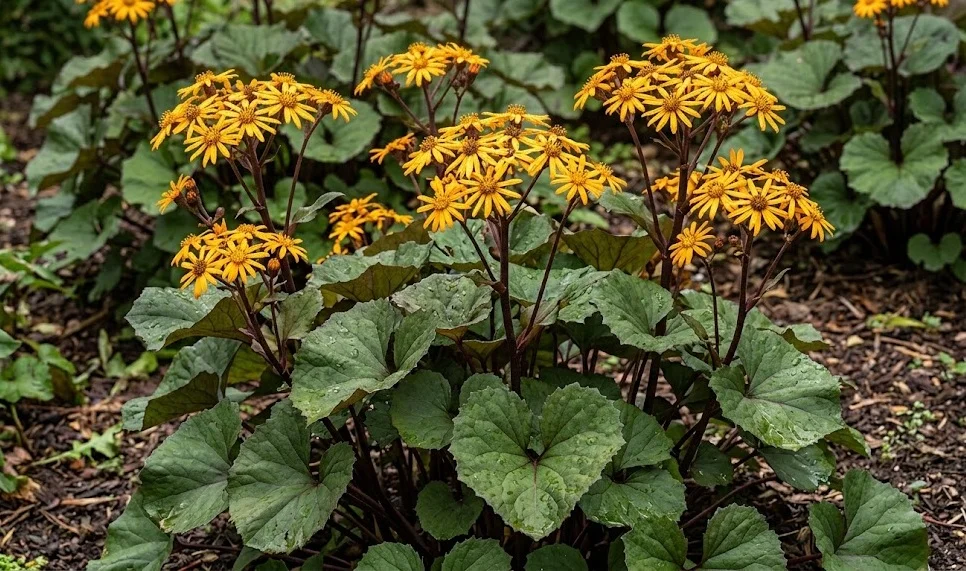

The process of establishing a Chinese leopard plant in your landscape begins with careful planning and a thorough understanding of the species’ biological requirements. Proper planting techniques are essential for ensuring that the root system develops quickly and can support the massive foliage that defines the plant’s character. Propagation offers a rewarding way to expand your collection or share these striking perennials with other gardening enthusiasts. Whether you are starting from a container-grown specimen or dividing an established clump, attention to detail during these early stages is paramount.
Selecting the ideal site for planting
The success of your new planting depends heavily on selecting a location that meets the specific environmental needs of the species. You should look for a spot that offers consistent moisture and protection from the intense midday and afternoon sun. North-facing walls or areas under the canopy of large trees are often the most suitable locations in a typical residential garden. Ensure that the site has enough space to accommodate a mature plant that can reach three feet in width.
Soil quality at the chosen site must be evaluated and improved before any planting takes place. These plants thrive in rich, loamy soil that contains a high percentage of organic matter to retain moisture. If the existing soil is too rocky or thin, you should dig a much larger hole and fill it with high-quality compost and topsoil. The goal is to create a reservoir of nutrients and moisture that the roots can easily penetrate as they grow.
Accessibility to a water source is another practical consideration when choosing where to plant. Since this perennial requires frequent watering, having a hose or irrigation system nearby will make your maintenance tasks much easier. You should also consider the visual impact of the plant from different vantage points in your garden. Its bold texture makes it an excellent backdrop for smaller plants or a striking focal point at the end of a shaded path.
Finally, consider the long-term stability of the site and how it might change over the coming years. Young trees will eventually grow and provide more shade, which could be beneficial for the leopard plant. However, you should avoid planting too close to aggressive tree roots that might compete for moisture and nutrients. A balanced environment where the plant has its own space to expand will lead to the best results.
More articles on this topic
Execution of the planting process
The best time to plant a Chinese leopard plant is during the cool, moist weather of early spring or early autumn. Dig a hole that is at least twice as wide as the root ball but no deeper than the container it came in. Loosen the soil at the bottom and sides of the hole to allow the new roots to spread out easily. If the plant is pot-bound, gently tease the roots apart before placing it in the ground.
Position the plant in the center of the hole, ensuring that the crown is level with or slightly above the surrounding soil surface. Burying the crown too deeply can lead to rot, while planting it too high can cause the roots to dry out. Fill the space around the root ball with a mixture of native soil and organic compost, firming it gently with your hands to remove air pockets. Avoid packing the soil too tightly, as this can impede root growth and water penetration.
Immediately after planting, you must water the area thoroughly to settle the soil and hydrate the roots. This initial watering should be deep and slow, ensuring that the moisture reaches the very bottom of the planting hole. Apply a three-inch layer of organic mulch, such as shredded bark or leaf mold, around the base of the plant. Keep the mulch a few inches away from the stems to prevent moisture buildup against the crown.
Monitor the new plant closely for the first few weeks, as it will be particularly vulnerable to drying out while its roots become established. You may need to water every day if the weather is warm or windy during this critical period. If the plant shows signs of severe wilting, provide temporary shade until it recovers. Once you see new growth emerging, you can be confident that the plant has successfully settled into its new home.
More articles on this topic
Propagation through clump division
Division is the most common and effective method for propagating established Chinese leopard plants. This process is best performed every three to four years to maintain the vigor of the parent plant and prevent overcrowding. The ideal time for division is in early spring just as the first signs of new growth begin to appear. Using a sharp spade, carefully lift the entire clump out of the ground, taking as much of the root system as possible.
Once the clump is lifted, use a clean, sharp knife or a specialized garden saw to cut the rhizomes into several sections. Each new division must have at least two or three healthy buds or growing points and a substantial portion of the root system. Discard any old, woody center parts of the original clump that may be showing signs of decline. It is important to keep the roots moist and protected from the sun throughout the entire process.
Replant the divisions as soon as possible following the same planting techniques used for new container-grown specimens. Give each new plant plenty of space to grow, keeping in mind their eventual mature size. If you cannot replant them immediately, store the divisions in a shaded area and keep the roots covered with damp burlap or moss. Dividing the plant not only gives you new specimens but also rejuvenates the original plant by giving it more room to expand.
Water the new divisions heavily to help them recover from the stress of being moved and cut. You might notice some initial wilting or leaf drop, but healthy divisions should recover quickly once the roots begin to take hold. Avoid fertilizing the new divisions until you see significant new growth, as the focused energy should be on root establishment. This method ensures that the new plants are genetically identical to the parent and will display the same desirable characteristics.
Starting plants from seeds
Growing Chinese leopard plants from seeds is a slower process but can be very rewarding for patient gardeners. You can harvest the seeds from the spent flower heads in late autumn once they have turned brown and dry. The seeds should be cleaned of any chaff and stored in a cool, dry place until you are ready to sow them. Keep in mind that some cultivars may not come true from seed, meaning the offspring might look different from the parent.
For the best results, sow the seeds in a high-quality seed-starting mix during the late winter or early spring. The seeds require a period of cold stratification to break their dormancy, so placing the sown containers in a refrigerator for a few weeks can be helpful. Cover the seeds lightly with soil and keep the medium consistently moist but not waterlogged. Place the containers in a bright location with indirect light and maintain a temperature of around 60 to 70 degrees Fahrenheit.
Germination can be erratic and may take several weeks or even months to occur. Once the seedlings have developed their first set of true leaves, they can be transplanted into individual pots. Feed the young plants with a diluted liquid fertilizer to encourage steady growth during their first season. It is usually best to grow the seedlings in containers for at least a year before transplanting them into the garden.
Hardening off the young plants is a crucial step before they are permanently placed in the landscape. Gradually expose them to outdoor conditions over a period of ten days, starting with just an hour or two in a sheltered spot. This process helps the delicate foliage adjust to the wind, temperature fluctuations, and light intensity of the garden. While seed-grown plants take longer to mature, they often develop very strong and resilient root systems.