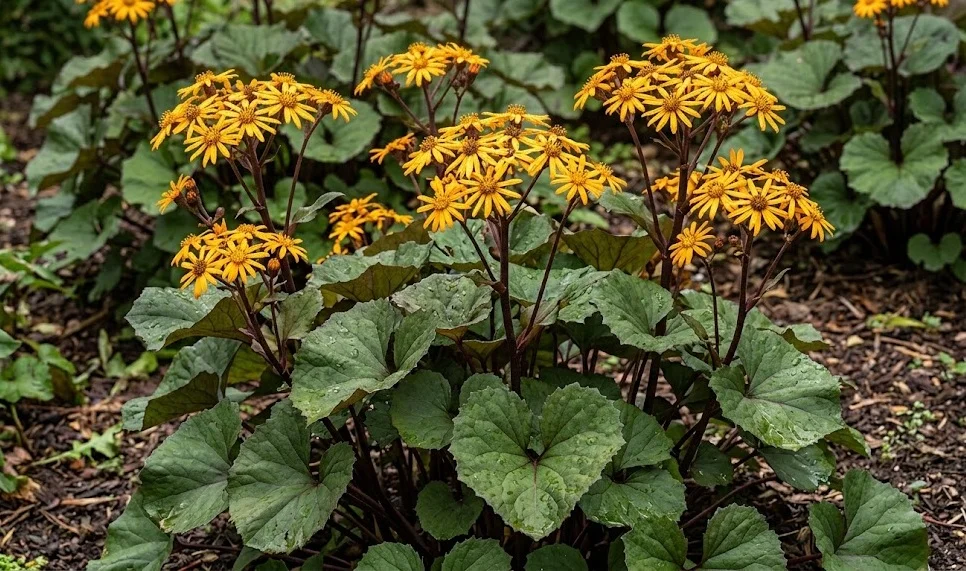

Pruning the Chinese leopard plant is a relatively simple but essential maintenance task that keeps the specimen looking its best and promotes overall health. While this perennial does not require the complex structural pruning associated with woody shrubs, regular attention to its foliage and flower stalks is necessary. Proper timing and the use of the right tools will ensure that your interventions are effective and do not cause unnecessary stress to the plant. By incorporating these practices into your regular garden routine, you can maintain the architectural beauty of this species throughout the entire growing season.
Aesthetic and functional leaf removal
Throughout the spring and summer, you should periodically inspect your Chinese leopard plant for any damaged or unsightly leaves. Because of their large size, a single tattered or yellowed leaf can significantly detract from the plant’s overall appearance. Leaves that have been chewed by slugs, scorched by the sun, or broken by wind should be removed at their base. Use a pair of clean, sharp garden shears to make a clean cut as close to the crown as possible without damaging the surrounding tissue.
Removing dead or dying foliage is not just about aesthetics; it also serves an important functional purpose in the garden. Decaying leaves can become a breeding ground for fungal pathogens and a hiding spot for pests like snails. By clearing away this material, you improve air circulation around the crown, which helps to keep the plant healthy and dry. It also allows the plant to redirect its energy toward producing new, healthy growth rather than trying to maintain damaged tissues.
In the height of summer, some of the older, lower leaves may naturally turn yellow and begin to decline. This is a normal part of the plant’s growth cycle as it focuses its resources on the newest foliage and upcoming flowers. You can proactively remove these older leaves to keep the plant looking fresh and to reveal the interesting stem structures. Always be careful not to remove too much of the healthy foliage at once, as the plant still needs its leaves for photosynthesis.
If you are dealing with a particularly large and dense clump, thinning out a few of the internal leaves can also be beneficial. This allows more light and air to reach the center of the plant, which can prevent the inner stems from becoming weak or susceptible to rot. This type of selective thinning should be done sparingly and only when the plant is clearly overcrowded. A well-pruned leopard plant should look lush and full but also organized and healthy.
More articles on this topic
Managing flower stalks and deadheading
The tall, daisy-like yellow flowers of the Chinese leopard plant appear in mid to late summer and provide a wonderful splash of color. However, once the flowers have faded, the stalks can become somewhat untidy and start to lean or fall over. Deadheading, which is the removal of spent flowers, is a common practice to keep the plant looking neat. You should cut the flower stalks back to just above a set of leaves or all the way to the base of the plant once the blooms have lost their luster.
Removing the spent flowers prevents the plant from putting energy into seed production, which can sometimes result in a second, smaller flush of growth. Unless you are planning to harvest seeds for propagation, there is no benefit to leaving the dry seed heads on the plant. Deadheading also eliminates the risk of unwanted self-seeding if you are trying to keep the plant contained in a specific area. The dark, sturdy flower stems can be quite tough, so make sure your pruners are sharp to ensure a clean cut.
If you enjoy the structural look of the flower stalks even after the petals have fallen, you can certainly leave them in place for a few weeks. Some gardeners find that the developing seed heads add an interesting architectural element to the autumn garden. However, once they turn brown and begin to wither, they should be removed to maintain a tidy appearance. Always monitor the stalks for any signs of disease or pest infestation, which can sometimes take hold in the aging tissues.
When cutting back the flower stalks, be careful not to accidentally damage the large leaves that surround them. It is often easier to reach the base of the stalk if you gently move the foliage to one side. If the plant has produced a particularly large number of flowers, you may want to remove the stalks in stages as they finish blooming. This keeps the plant looking consistently well-maintained rather than waiting for every single flower to fade before acting.
More articles on this topic
Seasonal cutting back and tool hygiene
The most significant pruning task occurs in the late autumn or early winter when the plant begins to die back for its dormancy. Once the foliage has turned brown and brittle following a hard frost, you should cut the entire plant back to within a few inches of the soil level. This cleanup removes the bulk of the old material and prepares the site for the application of winter mulch. It also makes it much easier to see the new shoots when they begin to emerge in the spring.
Using the correct tools and maintaining them properly is essential for professional-grade pruning results. A high-quality pair of bypass pruners is the best choice for the succulent stems of the Chinese leopard plant. You should ensure that the blades are sharp to avoid crushing the stems, which can lead to rot or infection. Before and after each use, wipe the blades with a disinfectant like rubbing alcohol to prevent the spread of diseases between different plants in your garden.
If you are pruning multiple plants, it is a good idea to clean your tools in between each one as an extra precaution. This is especially important if you are removing diseased material, as fungal spores can easily be carried on the blades of your shears. Proper tool hygiene is a simple step that can save you a lot of trouble in the long run. Well-maintained tools also make the work much easier and more enjoyable for the gardener.
Finally, consider what to do with the material you have pruned from your Chinese leopard plant. Healthy green leaves and flower stalks can be added to your compost pile, where they will break down and provide nutrients for future use. However, any material that shows signs of disease or significant pest damage should be disposed of in the trash or burned. By being mindful of how you handle your garden waste, you contribute to the overall health and vitality of your entire landscape.