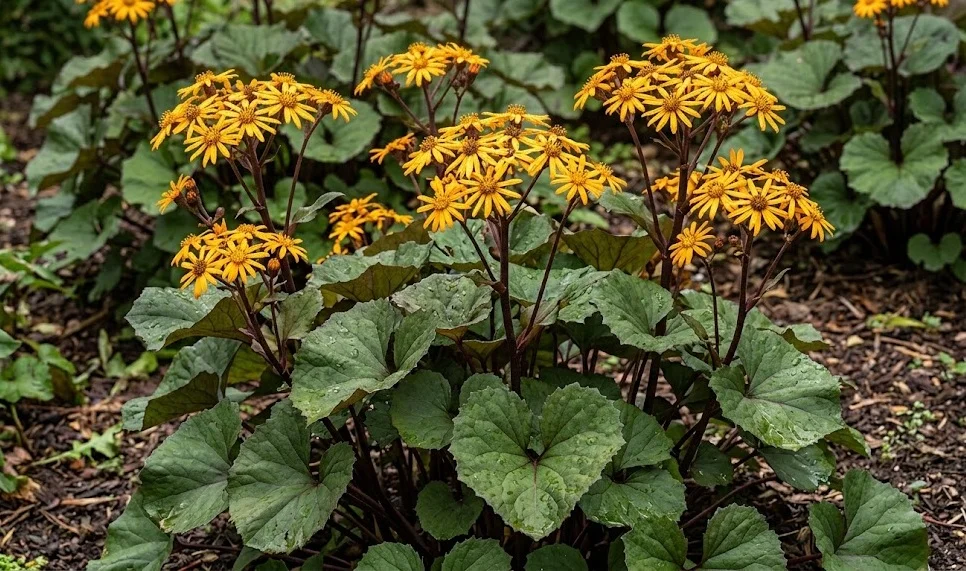

Preparing the Chinese leopard plant for the cold season is a critical task for gardeners in regions where temperatures drop below freezing. While this species is generally hardy, its large rhizomes and crown can be vulnerable to the physical stresses of extreme cold and fluctuating winter moisture. Successful wintering ensures that the plant remains healthy through its dormancy and is ready to emerge with vigor once spring arrives. By following a structured approach to autumn cleanup and protection, you can safeguard your investment and enjoy these spectacular perennials for many years.
Preparing for the transition to dormancy
As the days grow shorter and the temperatures begin to cool in the late autumn, the Chinese leopard plant naturally starts its transition into dormancy. You will notice the large leaves beginning to lose their vibrant green color and eventually turning yellow or bronze. This is a vital process where the plant moves its stored energy from the foliage down into the rhizomes for the winter. You should allow this process to complete naturally rather than cutting the plant back too early.
During this transitional period, it is important to gradually reduce the frequency of your supplemental watering. As the plant’s metabolic rate slows down, it requires much less moisture than it did during the height of the summer. However, you should never let the soil dry out completely until the ground actually freezes. Providing a final, deep watering just before the first hard frost can help the plant enter dormancy with well-hydrated tissues.
Cleanliness in the garden bed is another essential part of the autumn preparation routine. Remove any fallen leaves from nearby trees that might be smothering the crown of your leopard plant. Excessive debris can trap too much moisture and provide a hiding place for pests that might damage the dormant rhizomes. Keeping the area tidy helps to prevent the buildup of fungal spores that could cause problems in the following spring.
Avoid applying any fertilizer during the late summer or autumn, as this can encourage new, tender growth that will be easily killed by the frost. The goal is to allow the existing tissues to harden off and prepare for the upcoming cold. You might consider marking the location of the plant with a small stake if you plan to cover the area with mulch. This prevents accidental damage to the crown when you are performing spring cleanup before the new shoots emerge.
More articles on this topic
Protective mulching and insulation
The most effective way to protect the Chinese leopard plant during the winter is to provide a thick layer of insulating mulch. Once the ground has frozen or the foliage has completely died back, apply about four to six inches of organic material over the crown. Suitable materials include straw, shredded leaves, or evergreen boughs, which provide excellent insulation without packing down too tightly. This layer helps to moderate soil temperatures and prevents the cycle of freezing and thawing that can heave plants out of the ground.
Proper application of the mulch is key to its effectiveness in protecting the plant’s heart. You should spread the material in a wide circle around the base of the plant to protect the entire root zone. Avoid using heavy, wet materials like whole leaves or thick bark, as these can become a dense mat that prevents air from reaching the crown. The insulation should be loose enough to allow for some gas exchange while still trapping a pocket of relatively warm air.
In particularly cold regions, you may want to create a small cage of chicken wire around the plant and fill it with insulating material. This ensures that the mulch stays in place even during strong winter winds or heavy snowfall. This extra level of protection is especially beneficial for young plants that have not yet developed a massive root system. For established clumps, a simple mound of straw is usually sufficient to see them through the winter months.
If you are growing Chinese leopard plants in containers, they require a different approach to winter protection. The roots in a pot are much more exposed to the cold than those in the ground, and the entire container can freeze solid. You should move the pots to a sheltered, unheated area like a garage or a cold frame for the winter. Alternatively, you can bury the entire pot in the ground or wrap it in multiple layers of burlap and bubble wrap to provide the necessary insulation.
More articles on this topic
Monitoring winter moisture and drainage
While the plant is dormant, its primary enemy is not just the cold, but excessive moisture combined with low temperatures. Poor drainage during the winter can lead to crown rot, as the dormant rhizomes sit in cold, anaerobic water. You should ensure that the planting site does not become a collection point for melting snow or winter rain. If you notice water pooling around the plant, you may need to dig small drainage channels to lead the water away.
Snow cover can actually be a beneficial form of natural insulation for your garden plants. A steady blanket of snow keeps the ground temperature stable and protects the soil from the drying effects of winter winds. However, heavy, wet snow should be gently brushed off any structures or evergreen boughs that are protecting the plant to prevent them from breaking. Avoid shoveling snow from walkways onto your plant beds, as it can become too compacted and heavy.
Periodically check the condition of your protective mulch throughout the winter season. Strong winds or foraging animals can sometimes displace the insulation, leaving the crown exposed to the elements. Simply reposition the material and add a bit more if necessary to maintain the desired depth. You should also keep an eye out for signs of rodent activity, as mice or voles may try to nest in the warm mulch and nibble on the rhizomes.
As winter begins to wane and periods of thaw become more frequent, be careful not to remove the protection too early. Late-season cold snaps can be particularly damaging to plants that have begun to wake up prematurely due to a brief warm spell. Wait until the danger of hard frost has passed and you see the first signs of green growth before you start to gradually pull back the mulch. This cautious approach ensures that the delicate new tissues are not shocked by a sudden drop in temperature.
Spring revival and cleanup
The emergence of Chinese leopard plants in the spring is a wonderful sign that the wintering process was successful. Once the soil begins to warm and the days lengthen, you will see the first pointed shoots pushing through the ground. This is the time to carefully remove the winter mulch, being mindful not to damage the tender new growth. It is often best to do this in stages, removing a little bit of material at a time as the weather stabilizes.
After the mulch is removed, you should clear away any remaining dead foliage from the previous year. If you left the stalks in place over the winter, cut them back to just above the ground level using clean, sharp pruners. This cleanup process improves the aesthetics of the garden and allows sunlight to reach the base of the plant. It also helps to eliminate any overwintering pests or diseases that might be lingering in the old plant material.
Once the area is clear, you can apply a fresh layer of compost or a balanced fertilizer to support the new season’s growth. The nutrients will be washed down into the root zone by spring rains, providing the energy needed for the plant to expand its foliage. This is also a good time to re-evaluate the plant’s health and look for any signs of winter damage or rot. Most healthy plants will quickly replace any minor losses with a flush of vigorous new leaves.
If you find that a plant has not survived the winter, it is important to investigate why to prevent future losses. It could be that the drainage was poor, the protection was insufficient, or the winter was simply too extreme for that specific location. Learning from these experiences is part of becoming a professional gardener and will help you refine your wintering techniques for next year. With the right care, your Chinese leopard plants will continue to be a highlight of your shaded garden for years to come.