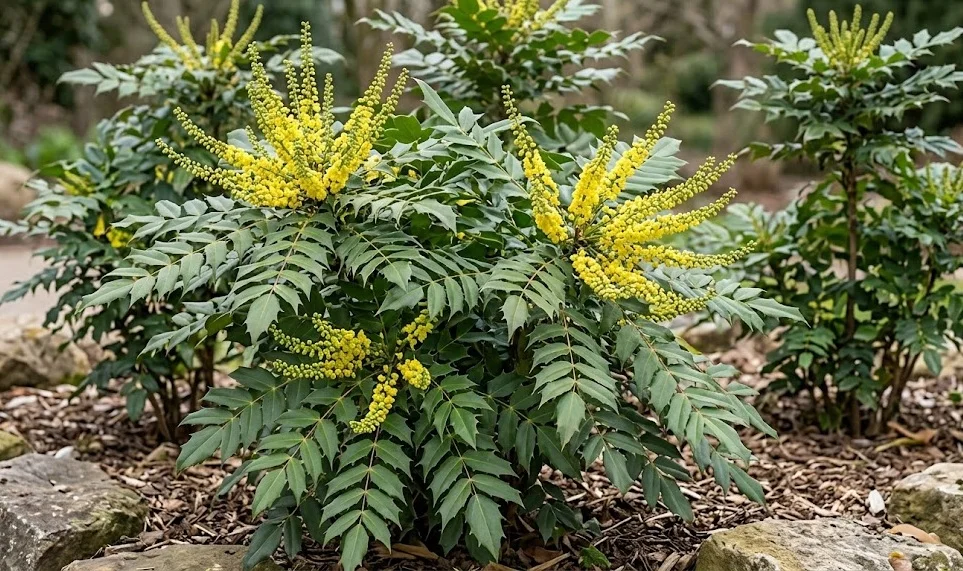

The Japanese mahonia is a versatile and striking evergreen shrub that adds architectural beauty to any garden landscape throughout the year. Its distinctive spiny leaves and fragrant yellow flowers make it a favorite among professional landscapers and hobbyist gardeners alike. Achieving the best results requires a deep understanding of its natural habitat and specific growth requirements in various environments. By providing the right conditions, you can ensure this plant remains healthy, vibrant, and aesthetically pleasing for many decades to come.
Maintaining the plant involves observing its leaf color and overall structural integrity during different seasonal transitions. You should regularly check for signs of nutrient deficiencies or environmental stress that might affect its glossy appearance. Professional care starts with selecting the right location where the shrub can reach its full potential without overcrowding other plants. Consistent observation is the key to preventing long-term issues that could compromise the health of the entire specimen.
The shrub thrives when left to establish itself in a stable environment without frequent disturbances to its root system. You should focus on creating a balanced ecosystem around the plant by using organic mulches and compatible companion species. Proper care also includes monitoring the local microclimate to protect the foliage from harsh winter winds or excessive summer heat. A well-maintained mahonia will reward the gardener with a dense canopy of foliage and a reliable display of winter blooms.
Long-term success with this species depends on your ability to balance its nutritional needs with natural soil conditions. It is important to remember that these plants are relatively slow-growing and require patience during their initial establishment phase. You should avoid aggressive chemical treatments and instead opt for more sustainable gardening practices that promote soil life. With a dedicated approach to maintenance, this evergreen can become a cornerstone of your garden’s design.
Understanding the soil requirements for optimal growth
The foundation of a healthy mahonia begins with the quality and structure of the soil in which it is planted. It prefers a rich, well-draining medium that is slightly acidic to neutral in its pH level. You should incorporate plenty of organic matter such as compost or leaf mold to improve the soil’s fertility. Testing the soil before planting can provide valuable insights into what specific amendments might be necessary for your garden.
More articles on this topic
Soil drainage is perhaps the most critical factor to consider when preparing the site for your new shrub. These plants do not tolerate “wet feet” and will quickly develop root rot if the ground remains saturated for too long. If your garden has heavy clay soil, you may need to install drainage solutions or plant the shrub in a raised bed. Adding grit or coarse sand can also help to improve the aeration and water movement within the planting hole.
Nutrient availability is closely tied to the moisture levels and the biological activity present in the ground. You should aim to create a soil environment that mimics the forest floor where these plants naturally occur. This involves keeping the soil cool and moist through the application of organic materials on the surface. Healthy soil leads to a strong root system, which in turn supports the plant’s ability to resist environmental stressors.
Regularly replenishing the organic layer around the base of the plant will help maintain a consistent soil structure over time. As the mulch decomposes, it releases essential nutrients that are slowly absorbed by the shallow roots of the shrub. You should be careful not to pile mulch against the main stem to avoid issues with bark rot. Monitoring the soil condition every season ensures that the mahonia has everything it needs to flourish.
Seasonal transitions and their impact on maintenance
During the spring months, the mahonia begins a period of active growth and prepares for its next cycle of development. You will notice new leaves emerging with a bronze tint before they mature into a deep green color. This is an ideal time to assess the overall health of the plant after the challenging winter season. Providing a light application of organic fertilizer now can support the production of healthy new stems.
More articles on this topic
The summer heat presents a different set of challenges for this evergreen shrub, particularly regarding moisture retention. You must ensure that the plant does not suffer from drought stress, which can lead to leaf scorch and premature leaf drop. Applying a thick layer of mulch in early summer will help keep the root zone cool during the hottest days. It is best to water the plant deeply and less frequently to encourage the roots to grow deeper into the soil.
As autumn approaches, the mahonia begins to prepare for its winter flowering period and the dormant months ahead. You may see the foliage take on attractive purple or reddish hues as the temperatures begin to drop. This natural color change is a sign that the plant is responding well to the shifting environment. It is important to reduce supplemental feeding at this time to allow the new growth to harden off before the first frost.
Winter is the season when the Japanese mahonia truly shines with its fragrant yellow floral displays. While many other plants are dormant, this shrub provides essential nectar for early-emerging pollinators on milder days. You should monitor the plant for any signs of snow damage or excessive wind burn on the leathery leaves. Protecting the plant from the drying effects of winter sun is crucial for maintaining its aesthetic appeal throughout the coldest months.
Maintaining the architectural form of the shrub
The natural growth habit of this plant is somewhat upright and tiered, creating a unique visual texture in the garden. You should allow the shrub to develop its natural shape as much as possible rather than trying to force it into a formal hedge. Minimal intervention is often the best strategy for preserving the elegant structure of the mature branches. If the plant becomes too leggy, you can perform selective pruning to encourage a bushier appearance from the base.
Regularly removing dead or damaged wood is essential for maintaining the clarity of the plant’s architectural form. You should use sharp, clean tools to make precise cuts that will heal quickly and prevent the entry of pathogens. Thinning out the center of the shrub can improve air circulation and allow more light to reach the inner leaves. This practice helps to keep the entire plant productive and prevents the interior from becoming a mass of bare twigs.
The height of the mahonia can be managed over time by cutting back the tallest stems to a strong lateral branch or bud. You should perform this task after the flowering period has ended to avoid sacrificing the next season’s blooms. It is helpful to step back frequently during the pruning process to evaluate the overall balance of the shrub. Maintaining a consistent height makes the plant more manageable within a mixed border or a woodland garden setting.
Creating a visual contrast with neighboring plants can further highlight the interesting form of the Japanese mahonia. You might consider planting low-growing perennials or ferns around its base to ground the shrub in the landscape. The dark, leathery foliage provides an excellent backdrop for plants with lighter green or variegated leaves. By focusing on the structural role of the plant, you can maximize its impact as a focal point in your design.
Environmental adaptability and placement strategies
One of the greatest strengths of this species is its ability to adapt to various levels of shade in the garden. It is an excellent choice for north-facing walls or under the canopy of large deciduous trees where other plants might struggle. You should avoid placing it in areas that receive intense, direct afternoon sun, as this can cause the leaves to bleach or burn. Finding the right balance of light and shadow will result in the most vibrant and healthy foliage.
The plant’s resilience makes it suitable for urban environments where air pollution might be a concern for more sensitive species. It can withstand a range of temperatures, provided it is protected from the most extreme and desiccating winds. You should consider the ultimate spread of the shrub when choosing a planting site to ensure it has enough room to expand. Giving the plant adequate space prevents the need for excessive pruning and reduces the risk of fungal diseases.
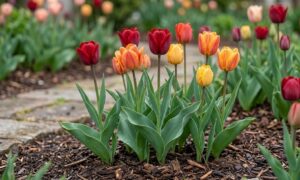
Integrating the mahonia into a woodland-style garden allows it to perform its natural role as an understory shrub. You can group several specimens together to create a textured screen or a low-maintenance informal hedge. Its evergreen nature ensures that the garden retains its structure and interest even during the bleakest months of the year. Pairing it with spring-flowering bulbs can create a beautiful transition as the winter flowers fade and the bulbs emerge.
Careful placement can also help to mitigate potential issues with the spiny nature of the leaves. You should avoid planting it directly next to narrow walkways or children’s play areas where people might brush against the sharp foliage. Using it as a barrier plant in the background can be an effective way to use its defensive qualities to your advantage. Strategic placement ensures that the beauty of the plant can be enjoyed safely by everyone in the garden.
Nutritional management and long-term vitality
Providing the right nutrients at the correct times is essential for maintaining the deep green color and glossy finish of the leaves. You should focus on using slow-release organic fertilizers that provide a steady supply of micronutrients throughout the growing season. Over-fertilizing with high-nitrogen products can lead to soft, weak growth that is more susceptible to pests and diseases. A balanced approach to feeding supports the overall structural integrity and longevity of the shrub.
Monitoring the plant for signs of chlorosis, which appears as yellowing between the leaf veins, is an important part of nutritional care. This condition often indicates that the soil pH is too high, making it difficult for the plant to absorb iron or manganese. You can correct this by applying chelated iron or by acidifying the soil with sulfur-based products. Maintaining the correct acidity level is crucial for the biochemical processes that keep the mahonia healthy.
The use of organic compost as a top dressing every spring provides a natural source of nutrients and beneficial microbes. You should spread a thin layer of compost around the drip line of the plant where the active roots are most concentrated. This practice not only feeds the plant but also improves the soil’s ability to hold moisture and air. Healthy soil biology acts as a buffer against environmental stress and helps the plant recover more quickly from any damage.
Regularly assessing the vigor of the plant will tell you if your nutritional strategy is working effectively. A healthy mahonia should produce strong new growth each year and a prolific display of flowers in the winter. If the plant seems stagnant or the foliage appears dull, it may be time to re-evaluate the soil quality and nutrient levels. Consistent care and attention to the plant’s basic needs will ensure it remains a highlight of your garden for many years.
Enhancing garden biodiversity with mahonia
The Japanese mahonia plays a significant role in supporting local wildlife, especially during the winter months when food sources are scarce. Its early flowers are a vital source of nectar and pollen for bumblebees and other insects that wake up during mild spells. You will often see a variety of pollinators visiting the fragrant yellow blooms on sunny winter days. By including this plant in your garden, you are contributing to the health of the local insect population.
After the flowers fade, the plant produces clusters of blue-black berries that are highly attractive to various bird species. These berries provide a nutritious food source in the late spring and early summer as birds are raising their young. You may find that thrushes and blackbirds are particularly fond of the fruit and will visit the shrub frequently. Watching the wildlife interact with the plant adds an extra layer of enjoyment to the gardening experience.
The dense, evergreen foliage of the mahonia provides excellent nesting sites and protective cover for small birds throughout the year. The spiny leaves act as a natural deterrent against predators like cats, making the shrub a safe haven for garden wildlife. You can enhance this benefit by planting the mahonia in groups or near other evergreen species to create a larger habitat. A biodiverse garden is more resilient and requires less chemical intervention to manage pests.
Promoting a healthy ecosystem around your mahonia will lead to a more balanced and sustainable garden environment. You should avoid using broad-spectrum pesticides that could harm the beneficial insects and birds that rely on the plant. Instead, encourage natural predators to manage any pest outbreaks by providing a variety of habitats and food sources. The Japanese mahonia is more than just an ornamental shrub; it is a key component of a thriving garden ecosystem.