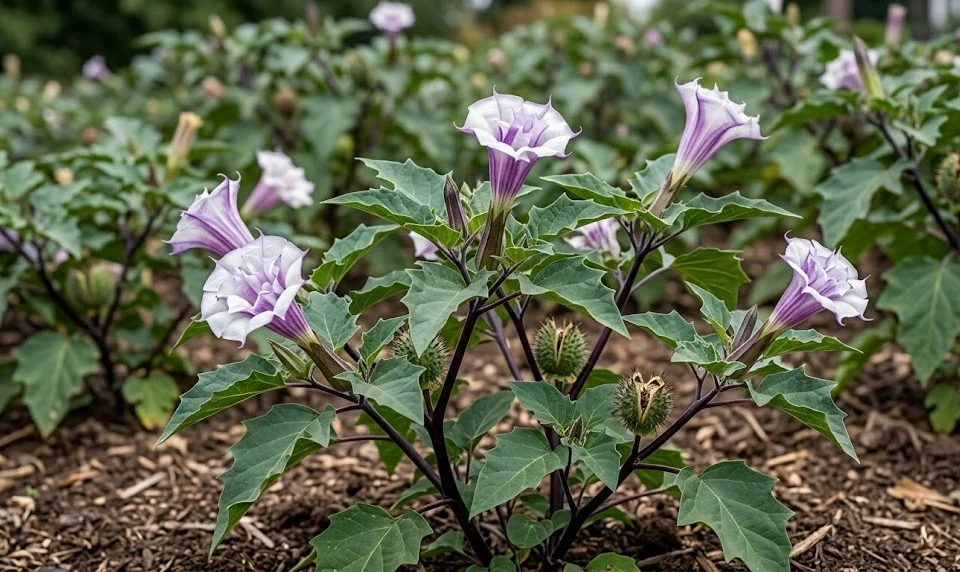

Proper watering and fertilization are the twin pillars of success when it comes to cultivating a magnificent devil’s trumpet. This plant is a heavy feeder and a thirsty grower, requiring a consistent supply of moisture and nutrients to maintain its lush appearance. Without a disciplined approach to these two tasks, the plant will likely produce fewer flowers and show signs of physical decline. By mastering the art of hydration and nutrition, you can unlock the full potential of this stunning tropical species.
Hydration principles and techniques
Watering the devil’s trumpet requires a more nuanced approach than many other garden plants because of its large leaf surface. These leaves lose water rapidly through transpiration, especially on hot and windy days when the air is dry. You should aim to keep the soil consistently moist, but it is vital to avoid creating a swampy environment that lacks oxygen. Feeling the top inch of soil with your finger is the most reliable way to determine if it is time to water.
During the hottest parts of the summer, you may find that the plant needs to be watered twice a day if it is in a container. It is best to water in the early morning or late evening when evaporation rates are lower and the plant can absorb the moisture efficiently. Avoid getting water on the leaves during the middle of the day, as the droplets can act like tiny magnifying glasses and cause burn spots. A deep, slow soaking is always better than a quick, shallow splash of water.
If the plant begins to wilt, it is a clear signal that it is under significant moisture stress and needs immediate attention. While the devil’s trumpet is somewhat resilient and can recover from minor wilting, repeated episodes will weaken the plant over time. You might notice that the lower leaves turn yellow and fall off if the plant is frequently allowed to get too dry. Conversely, if the leaves are drooping but the soil feels wet, you may be overwatering and causing root issues.
Using a drip irrigation system can be a highly effective way to manage the water needs of this species in a professional garden. This method delivers water directly to the root zone at a controlled rate, reducing waste and keeping the foliage dry. If you are watering by hand, try to pour the water directly at the base of the stem to ensure it reaches the core of the root ball. Consistent hydration is the foundation upon which all other growth and flowering processes are built.
More articles on this topic
Seasonal adjustments in watering
The water requirements of the devil’s trumpet change dramatically as the seasons progress and the plant moves through its life cycle. In the spring, when growth is just beginning, the plant needs moderate amounts of water to support new leaf development. As the temperature rises and the plant enters its most active phase, you must increase the frequency and volume of watering. The peak of summer is when the plant is most vulnerable to dehydration and requires your closest attention.
As autumn approaches and the days grow shorter, the plant’s metabolic rate begins to slow down naturally. You should gradually reduce the amount of water you provide to match this decrease in activity and prepare the plant for dormancy. This transition is important because cold, wet soil is much more dangerous to the plant than slightly dry soil during the cooler months. If the plant is moved indoors for the winter, its water needs will drop to a absolute minimum.
During the winter dormancy period, the goal is simply to keep the root ball from drying out completely. You should only water when the soil feels dry several inches down, and even then, only provide a small amount. Overwatering during the winter is a common mistake that leads to root rot and the eventual death of the plant. If the plant is kept in a cool, dark place, it may only need water once every few weeks.
Spring reawakening requires a slow and careful increase in watering as you see the first signs of new green shoots. Do not rush to provide large amounts of water until the plant has enough leaves to process it effectively. This gradual approach allows the roots to wake up and resume their function without being overwhelmed by excess moisture. Understanding these seasonal shifts is essential for maintaining the health of a devil’s trumpet over several years.
More articles on this topic
Nutritional requirements and fertilizers
Because the devil’s trumpet grows so quickly and produces such large flowers, it has a very high demand for nutrients. A balanced fertilizer that contains equal parts nitrogen, phosphorus, and potassium is usually a good starting point for young plants. Nitrogen supports the development of the lush, dark green foliage that acts as the plant’s energy factory. As the plant matures and begins to set buds, you might want to switch to a formula with higher phosphorus to encourage more blooms.
In addition to the primary macronutrients, the plant also benefits from a range of micronutrients such as magnesium and iron. These elements help maintain the vibrant color of the leaves and ensure that the plant’s metabolic processes run smoothly. Many professional growers use a slow-release fertilizer at the beginning of the season to provide a steady baseline of nutrition. This can be supplemented with liquid feeds during the peak growing months for an extra boost of energy.
Organic options, such as compost tea or fish emulsion, are excellent for those who prefer a more natural approach to gardening. These fertilizers not only provide nutrients but also help improve the overall health and microbial activity of the soil. You should apply these liquid fertilizers every two to three weeks during the height of the growing season to keep the plant performing at its best. Always follow the manufacturer’s instructions regarding dilution to avoid burning the sensitive roots.
If the plant is not getting enough nutrients, it will often show symptoms like stunted growth or pale, yellowish leaves. On the other hand, over-fertilizing can lead to a buildup of salts in the soil, which can damage the roots and cause the leaf tips to turn brown. It is a good practice to flush the soil with plain water occasionally to remove any excess fertilizer residues. A well-fed plant is much better equipped to resist pests and diseases throughout the year.
Feeding cycles and schedules
Establishing a regular feeding schedule is the best way to ensure your devil’s trumpet never experiences a nutritional deficit. Start your fertilization routine in the late spring once the plant has established its first few sets of true leaves. During the early summer, the plant can be fed every fourteen days with a high-quality liquid fertilizer diluted to half strength. This frequent but gentle feeding prevents the sudden surges in growth that can lead to weak, leggy stems.
As the plant enters its peak flowering period, the nutritional demand reaches its highest point of the entire year. You may want to increase the frequency of feeding to once a week if the plant is growing particularly vigorously or is in a small container. Pay close attention to the color and size of the new leaves, as they are the best indicators of the plant’s current nutritional status. If the growth seems to be slowing down during perfect weather, it is often a sign that the plant needs more food.
It is important to stop all heavy fertilization by the late summer or early autumn, depending on your local climate. Feeding the plant too late in the season encourages new, soft growth that will not have time to harden off before the cold arrives. This tender growth is the first part of the plant to be damaged by frost and can serve as a point of entry for rot. Allowing the nutrient levels in the soil to naturally decline helps the plant transition into its dormant state.
When growing in pots, the nutrients are washed out of the soil much faster due to the frequent watering required. This means that container-grown devil’s trumpets usually need more regular feeding than those planted in the ground. You should monitor the soil quality and consider top-dressing with fresh compost halfway through the season. A disciplined feeding cycle ensures that the plant has the resources it needs to produce a spectacular floral display right up until the end of the season.
Identifying and correcting stress
Nutritional and hydration stress can often be identified early if you know what signs to look for on the plant. One of the most common issues is iron chlorosis, where the leaves turn yellow while the veins remain green, often caused by a pH imbalance. This can be corrected by using a chelated iron supplement or adjusting the acidity of the soil to allow the plant to take up the iron it needs. Observing these subtle changes allows you to act before the entire plant is affected.
Water stress can also manifest as leaf curling or a loss of the natural shine that healthy leaves usually possess. If you notice the plant is frequently wilting even when the soil is damp, it may be a sign of root damage from overwatering or a pathogen. In this case, you should stop watering immediately and allow the soil to dry out significantly to let the roots breathe. Sometimes, moving the plant to a slightly more shaded location can help it recover from severe heat and water stress.
Salt buildup from synthetic fertilizers can cause the leaves to develop a “burnt” appearance along the edges and tips. To fix this, you should thoroughly leach the soil by pouring large amounts of water through the pot until it runs clear from the bottom. This process washes away the accumulated salts and resets the soil environment for the roots. After leaching, wait a week or two before resuming a more moderate fertilization schedule.
By maintaining a professional log of your watering and feeding activities, you can more easily diagnose the cause of any stress. Many problems are not caused by a single event but by a cumulative effect of small mistakes over several weeks. Adjusting your care routine based on the plant’s feedback is the hallmark of an expert gardener. With a bit of practice, you will learn to read the needs of your devil’s trumpet just by looking at its silhouette.