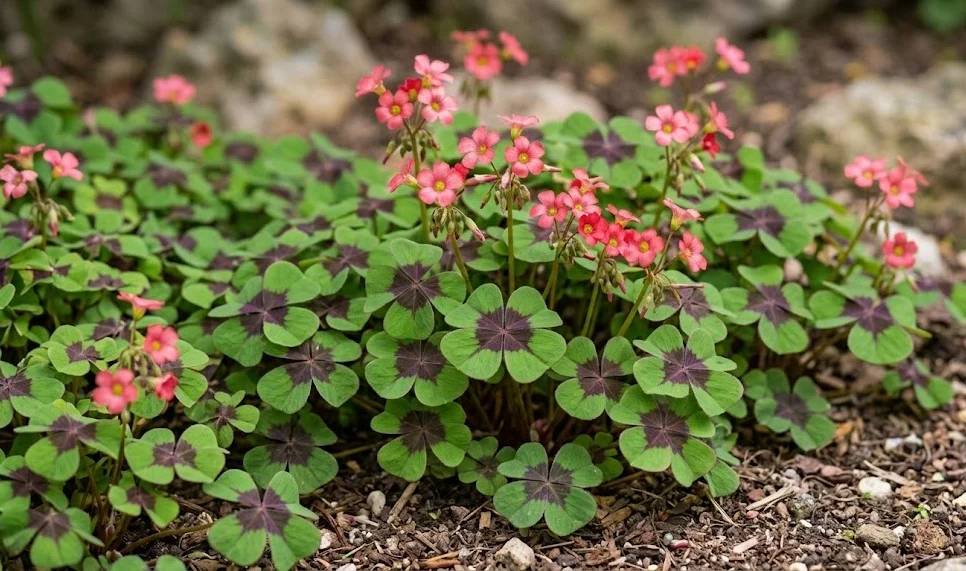

The transition into the winter months is a critical period for the four-leaf sorrel, as it naturally enters a state of dormancy. This plant is not frost-hardy, meaning that it cannot survive freezing temperatures without proper protection or indoor storage. Managing this rest period correctly is essential for the longevity of the bulbs and the success of the following season. A professional approach to overwintering ensures that your plants return even stronger when the spring warmth arrives.
As the days grow shorter and the temperatures drop in the autumn, the plant will naturally start to decline. You will notice the leaves turning yellow and eventually drying up, which is a signal that the bulb is retracting its energy. Do not be alarmed by this process, as it is a healthy and necessary part of the plant’s life cycle. During this time, you should gradually reduce your watering to allow the soil to dry out.
For plants kept in the garden, the bulbs must be lifted before the first hard frost hits the ground. Use a garden fork or trowel to carefully dig around the clump, taking care not to slice through the bulbs themselves. Shake off the excess soil and allow the bulbs to dry in a shaded, well-ventilated area for a few days. This “curing” process toughens the outer skin and prepares the bulbs for their winter storage.
Indoor container plants can simply be allowed to go dormant in their pots, which is often easier for the home gardener. Once the foliage has completely died back, move the pot to a cool, dark, and dry location like a basement or an unheated garage. The ideal temperature for storage is between 40 and 50 degrees Fahrenheit (4 to 10 degrees Celsius). Keeping them away from freezing temperatures while avoiding excessive warmth is the key to a successful rest.
Preparing the bulbs for storage
Once the bulbs have been lifted and cured, they should be cleaned of any remaining dead stems or loose soil. Inspect each bulb one last time to ensure they are firm and free from any signs of rot or disease. Storing only the healthiest specimens prevents the spread of problems during the months of inactivity. This careful selection process is a hallmark of professional bulb management and ensures a high success rate in the spring.
More articles on this topic
Place the clean, dry bulbs in a breathable container such as a paper bag, a cardboard box, or a mesh bag. You can also pack them in dry peat moss, vermiculite, or sawdust to provide a bit of insulation and prevent total desiccation. Avoid using plastic bags or airtight containers, as these will trap moisture and lead to mold or rot. The goal is to keep the bulbs dry and protected while still allowing them to breathe.
Labeling your storage containers is a simple but vital task, especially if you have a large collection of different varieties. Write the name of the plant and the date it was stored on the outside of the bag or box. This prevents confusion in the spring when all dormant bulbs look remarkably similar to one another. Being organized saves time and ensures that you can plan your garden layout effectively for the upcoming season.
Check on your stored bulbs periodically throughout the winter to make sure they are still in good condition. If you notice any that have turned soft or started to mold, remove them immediately to protect the rest of the batch. If the bulbs look excessively shriveled, you can lightly mist the packing material with a tiny amount of water. This minimal intervention keeps the bulbs viable without triggering them to sprout prematurely.
Indoor care during the dormant phase
If you choose to leave your four-leaf sorrel in its pot over the winter, the care routine becomes very simple. Stop fertilizing entirely and reduce watering to almost nothing—just enough to keep the soil from becoming bone-dry. The plant does not need light during this period, so it can be tucked away in a dark corner or under a shelf. This lack of activity allows the internal biological processes of the bulb to reset and prepare for growth.
More articles on this topic
The environment for the potted bulbs should remain consistently cool but strictly above freezing. Rapid temperature changes or exposure to frost can damage the dormant tissues inside the bulb and prevent sprouting. On the other hand, if the storage area is too warm, the plant may try to grow in the dark, resulting in weak, white shoots. Finding that “sweet spot” of cool stability is the secret to a professional overwintering result.
As the late winter approaches, you might see the very first signs of new growth poking through the soil surface. This is a clear signal that the plant is ready to begin its new cycle and should be moved back into the light. Do not rush this process; wait until you are sure the coldest part of the winter has passed. The gradual transition back to active care mimics the natural slow warming of the spring environment.
During the entire dormant period, the roots of the plant are mostly inactive, so they cannot absorb much moisture. Overwatering a dormant pot is the most common way to lose a plant during the winter months. It is better to err on the side of dryness than to risk the bulbs rotting in cold, wet soil. A professional’s patience during the winter is rewarded with a spectacular show of foliage in the spring.
Spring revival and transition
When the signs of spring appear, it is time to bring your bulbs or pots back into a warm, bright location. For bulbs stored in bags, this is the time to replant them in fresh, high-quality potting soil as described in the planting guides. If the bulbs were overwintered in their pots, you can refresh the top layer of soil or consider repotting them entirely. This fresh start provides the nutrients and space needed for the rapid growth that is about to occur.
Start watering the plants very gradually, increasing the amount as you see more leaves developing. The first few waterings should be light, just enough to wake up the roots and settle the soil. Avoid soaking the soil completely until the plant has several fully expanded leaves and is actively transpiring. This careful approach prevents the bulbs from being overwhelmed before they have the capacity to use the water.
Introducing the plants to outdoor conditions should be done slowly through a process called hardening off. Start by placing the pots outside in a sheltered, shaded spot for a few hours a day during mild weather. Gradually increase the amount of time and light exposure over the course of a week or two. This transition helps the tender new leaves adapt to the wind, direct sun, and temperature fluctuations of the outdoors.
Once the danger of frost has completely passed and the nights are consistently warm, the plants can stay outside permanently. You will soon see the familiar four-leaf pattern emerging in force, vibrant and full of energy. The successful overwintering process is now complete, and you can enjoy the fruits of your professional care. Watching the cycle begin again is one of the most satisfying aspects of being an expert gardener.