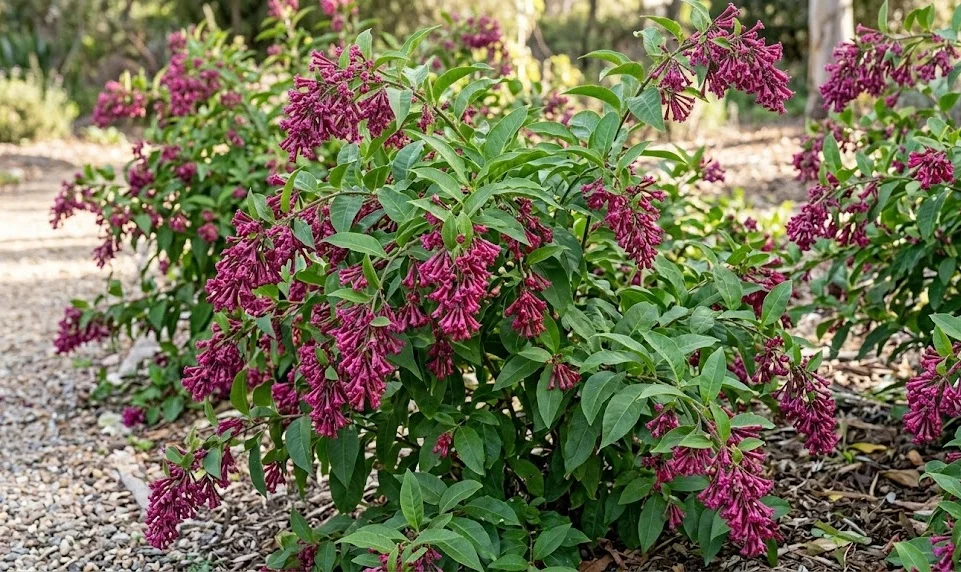

The red cestrum, originating from the warmer regions of the Americas, is naturally sensitive to cold temperatures and freezing conditions. For gardeners in temperate climates, the arrival of winter necessitates a thoughtful strategy to ensure the plant’s survival. Whether you choose to provide outdoor protection or move the shrub into a more controlled environment, preparation is the key to success. A well-executed overwintering plan allows the plant to enter a necessary period of rest while preserving its strength for the following spring.
Preparing for the first frost
The transition into winter should begin long before the first frost is predicted to arrive in your area. Start by gradually reducing the amount of water you provide as the temperatures begin to drop in the autumn. This encourages the wood to ripen and harden, making the branches more resilient to the upcoming cold. You should also cease all fertilization by late summer to prevent the growth of tender new shoots that would be easily killed by frost.
A light pruning in the autumn can help manage the size of the shrub and remove any weak or diseased wood. However, avoid heavy cutting at this time, as large wounds can be an entry point for disease and stress the plant. Removing the remaining flower clusters and any spent berries helps the plant conserve energy for the dormant months ahead. A clean and well-structured shrub is much easier to protect when the weather turns harsh.
Monitoring the local weather forecast becomes a daily task as the transition season progresses toward winter. If a sudden cold snap is predicted, you should be ready with protective materials like frost blankets or burlap. For plants staying in the ground, a fresh layer of thick organic mulch around the base will help insulate the roots. This thermal barrier is essential for preventing the ground from freezing solid around the delicate root system.
If your red cestrum is grown in a container, you have the advantage of being able to move it to a more sheltered location. Pots can be clustered together near a south-facing wall, which often provides enough radiant heat to ward off light frosts. Placing the containers on wooden blocks rather than cold concrete can also help regulate the temperature of the root ball. Early preparation reduces the stress on both the gardener and the plant during those first freezing nights.
More articles on this topic
Indoor transition strategies
In regions where the ground freezes for extended periods, moving the red cestrum indoors is often the only way to ensure its survival. This process should be done gradually to allow the plant to acclimate to the lower light and humidity levels inside a home. Start by bringing the plant in only at night, then slowly increase its time indoors over the course of a week. This “reverse hardening off” prevents the sudden leaf drop that often occurs with abrupt environmental changes.
Before bringing any plant inside, it is absolutely essential to perform a thorough pest inspection and cleanup. Check the undersides of leaves and the crevices of the stems for aphids, mites, or scale insects that could multiply in a heated house. A gentle wash with a mild soap solution or a spray with water can help remove any hitchhikers. Pruning the plant back by about a third can make it more manageable for indoor spaces and reduce its water needs.
Choose a location for the winter that is cool but stays well above the freezing mark, such as a bright basement or an unheated sunroom. The red cestrum does not need tropical temperatures during its rest period; in fact, a cooler environment helps it stay dormant. Avoid placing it near heat vents or fireplaces, as the dry, moving air can quickly dehydrate the foliage. A spot with bright, indirect light is ideal for maintaining the plant without encouraging excessive new growth.
Watering requirements change dramatically once the plant is indoors and in a state of semi-dormancy. The goal is to keep the root ball from drying out completely without letting it sit in soggy soil. Check the moisture level every week, but only add water when the top few inches of soil feel dry to the touch. Since the plant isn’t actively growing, it won’t need any fertilizer until it returns to the garden in the spring.
More articles on this topic
Dormancy management
During the winter months, the red cestrum enters a natural state of dormancy where its growth slows down significantly. It is common for the plant to lose some or even all of its leaves during this period, especially if it is kept in a cool location. This is a normal survival mechanism and should not cause alarm as long as the stems remain firm and green underneath the bark. Resisting the urge to “fix” the plant with extra water or food is a vital part of dormancy management.
Regularly check the condition of the stems by gently scratching a small area of the bark with your fingernail. If the tissue underneath is green and moist, the plant is still alive and simply resting. If the stems feel brittle or look shriveled, it may be a sign that the environment is too dry or the roots are suffering. Maintaining a consistent temperature is the best way to keep the dormancy stable and prevent the plant from waking up too early.
Humidity management can be a challenge in heated indoor environments where the air is naturally very dry. Placing a tray of water and pebbles near the plant can help increase the local humidity through evaporation. You can also group multiple plants together to create a small microclimate that retains more moisture. Occasional misting of the stems can also prevent them from drying out, even if the leaves have already fallen.
Avoid any major interventions like repotting or heavy pruning while the plant is in its dormant phase. The root system is not active enough to recover from disturbances or colonize new soil effectively during this time. Any wounds made in the winter will take much longer to heal and could become sites for fungal infections. Patience is the primary virtue for any gardener waiting for their red cestrum to emerge from its winter sleep.
Spring revival process
As the days begin to lengthen and the risk of frost passes, it is time to start the process of waking up the shrub. If the plant was kept indoors, move it back outside gradually, following the same hardening off process used for seedlings. Start with just an hour or two in a shaded, protected spot to prevent the sun from scorching the tender tissue. This transition should take at least a week to ensure the plant is fully prepared for the outdoor environment.
Once the plant is back in its permanent location, you can perform a more thorough spring pruning. Cut back any dead or damaged wood that occurred over the winter to make way for fresh new growth. This is also the perfect time to reshape the shrub and encourage a more compact, bushy habit. You will soon see small green buds beginning to swell along the stems as the rising temperatures stimulate the sap flow.
Resuming a regular watering and feeding schedule is the next step in the revival process. Start with a balanced, liquid fertilizer at half strength to gently wake up the roots without overwhelming them. As the foliage develops, you can increase the frequency of watering to support the rapid spring growth. The plant will quickly respond to the increased light and nutrients, often producing its first flush of leaves within a few weeks.
If the plant is grown in a container, early spring is the best time to refresh the soil or move it to a larger pot. Use a high-quality, well-draining potting mix and be careful not to damage the emerging new roots. Refreshing the nutrients in the container provides a strong foundation for the entire growing season ahead. With a little care and attention during this transition, your red cestrum will soon be ready to bloom once again.