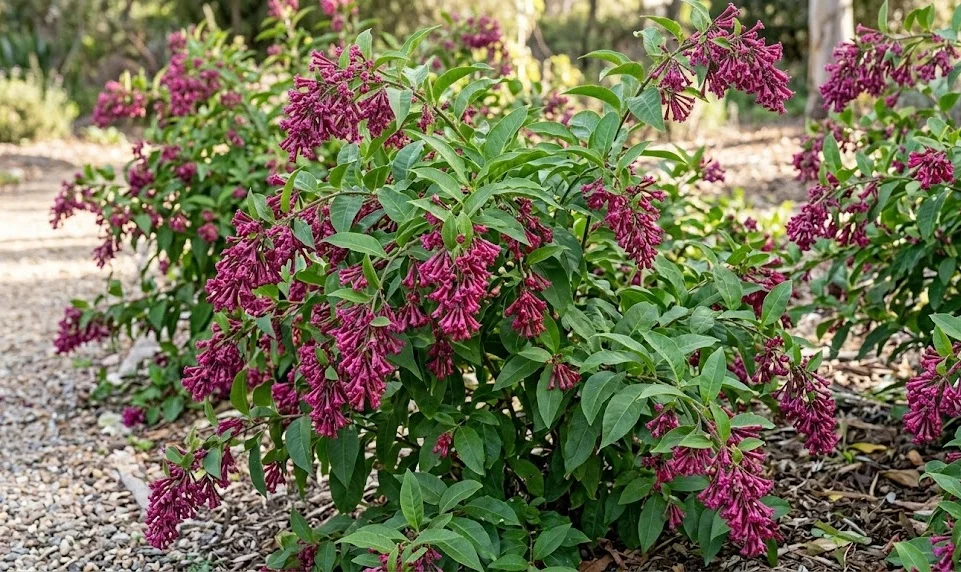

The secret to a lush and ever-blooming red cestrum lies in a disciplined approach to hydration and nutrition. As a vigorous grower with a high metabolic rate, this shrub requires a steady supply of resources to sustain its foliage and flowers. Understanding the balance between providing enough moisture and avoiding waterlogged roots is a fundamental skill for any gardener. Similarly, a strategic fertilization schedule ensures the plant has the building blocks necessary for its impressive seasonal display.
Understanding hydration needs
The red cestrum is a thirsty plant, especially during the peak growing months of spring and summer. Its large leaves and frequent flowering mean it loses moisture quickly through transpiration, requiring regular replenishment. Ideally, the soil should be kept consistently moist but never allowed to become saturated or swampy. Observing the plant’s leaves can provide immediate feedback; a slight droop is often the first sign that it needs a drink.
Establishing a deep watering routine is far more beneficial than frequent, shallow sessions. By applying water slowly and deeply, you encourage the root system to grow further down into the soil where it is better protected. This depth makes the plant more resilient to short periods of drought and helps it maintain stability in the ground. Use a soaker hose or a slow drip from a regular hose to ensure the moisture reaches the lower root zones.
The specific water requirements can vary significantly based on the environment and the size of the shrub. Plants in sandy soils will naturally need more frequent watering than those in heavier clay-based soils. Mature specimens with extensive root systems are generally more self-sufficient than newly planted ones. Always check the top two inches of soil with your finger before adding more water to avoid over-saturation.
Environmental factors like wind and high temperatures can dramatically increase the plant’s demand for water. On particularly hot or windy days, you may need to check the moisture levels twice to ensure the plant isn’t suffering. Providing extra water during these times prevents leaf scorch and ensures that the flower buds don’t dry out and drop off. Being proactive with hydration is the best way to maintain a vibrant look throughout the summer.
More articles on this topic
Seasonal watering adjustments
As the year progresses, the watering needs of the red cestrum change in response to the weather and its growth cycle. During the active spring season, the goal is to support new leaf and stem development with steady moisture. This is when the plant is most responsive to water, using it to build the structure that will support summer blooms. Consistent watering during this phase prevents the plant from becoming stressed early in the season.
In the height of summer, the focus shifts to maintaining the plant’s health during the most intense heat. You might find that the shrub requires watering every day or two, depending on the local climate and soil type. Morning is the best time to water, as it allows the foliage to dry before evening, reducing the risk of fungal diseases. Avoid watering in the middle of the day when evaporation rates are at their highest.
Autumn brings a natural cooling of the air and a decrease in the plant’s metabolic rate. At this stage, you should gradually reduce the frequency of watering to prepare the plant for the dormant winter months. Allowing the soil to dry out a bit more between sessions helps harden the stems and signals the plant to slow down. This transition is important for building the resilience needed to survive the upcoming cold season.
Winter watering should be minimal, especially if the plant is in a dormant state or being kept in a cool location. Over-watering during the winter is a common mistake that often leads to root rot in cold, wet soil. Only provide enough water to prevent the root ball from completely drying out, usually once every few weeks. If the plant is kept in a heated indoor environment, it may require slightly more frequent attention due to the dry air.
More articles on this topic
Fertilizer selection and types
Choosing the right fertilizer is essential for supporting the massive bloom production that the red cestrum is known for. A balanced, all-purpose fertilizer with an equal ratio of nitrogen, phosphorus, and potassium is a good starting point. Nitrogen supports the lush green foliage, phosphorus encourages strong root systems and flowering, and potassium enhances overall plant health. Look for products specifically formulated for flowering shrubs for the best results.
Slow-release granular fertilizers are highly effective because they provide a steady stream of nutrients over several months. These are typically applied to the soil surface around the base of the plant in early spring. As you water, the granules gradually break down, ensuring the plant isn’t overwhelmed by a sudden surge of chemicals. This method is convenient for gardeners and provides long-term stability for the plant’s growth.
Liquid fertilizers can be used as a supplement during the peak blooming period for an extra boost. These are absorbed quickly through both the roots and the foliage, providing immediate results for a struggling plant. However, because they wash through the soil quickly, they need to be applied more frequently than granular types. Use a diluted solution to avoid burning the sensitive roots or leaves of the shrub.
Organic options, such as well-aged compost or fish emulsion, are excellent for improving the long-term health of the soil. These materials not only provide nutrients but also enhance the soil structure and encourage beneficial microbial activity. Mulching with organic matter every year serves as a slow-acting fertilizer while also retaining moisture. A combination of organic and mineral fertilizers often yields the most impressive and sustainable growth.
Feeding schedule for blooming
To maximize the floral display, a consistent feeding schedule should be followed throughout the active growing season. Start the year with a balanced application in early spring as soon as you see the first signs of new growth. This initial feeding provides the energy needed for the plant to break out of dormancy and start its rapid expansion. A second application in early summer helps sustain the plant during its most intensive blooming phase.
During the height of summer, you can apply a specialized bloom-booster fertilizer with a higher phosphorus content every few weeks. This targeted approach specifically encourages the development of those iconic red flower clusters. Be careful not to over-fertilize during periods of extreme heat, as this can stress the plant’s vascular system. If the weather is particularly punishing, it is often better to skip a feeding and focus on hydration.
By late summer or early autumn, you should stop all heavy fertilization to allow the plant to naturally transition toward dormancy. Continuing to feed late in the season encourages soft, new growth that will be easily killed by the first frost. This pause in nutrition allows the plant to focus its remaining energy on strengthening its existing structure. Following the plant’s natural rhythm ensures it remains healthy year after year.
Always apply fertilizers to moist soil and water them in thoroughly to prevent root burn. Never exceed the recommended dosage on the product label, as excessive minerals can build up in the soil and become toxic. If you notice any signs of nutrient toxicity, such as burnt leaf edges or stunted growth, flush the soil with plenty of clear water. A careful and measured approach to feeding is always safer than overdoing it.
Signs of nutrient deficiency
Recognizing the early symptoms of nutrient deficiencies allows you to correct the problem before the plant’s health is compromised. Yellowing leaves with green veins, a condition known as interveinal chlorosis, is a common sign of iron or magnesium deficiency. This often happens if the soil pH is too high, preventing the plant from absorbing these essential minerals. Adding a chelated iron supplement or adjusting the soil pH can quickly resolve this visual issue.
If the lower leaves of the shrub start turning pale yellow or falling off prematurely, the plant may be suffering from a lack of nitrogen. Nitrogen is mobile within the plant, so it will move from old leaves to new ones when the supply is low. A quick application of a balanced liquid fertilizer can provide the necessary boost to restore the plant’s green color. Stunted growth and small leaves are also indicators that the plant needs more basic nutrition.
A lack of flowers or the presence of weak, spindly stems often points to a phosphorus deficiency. Since phosphorus is critical for reproductive processes, the plant will prioritize basic survival over flower production when it is scarce. Purple or bronze tinting on the underside of older leaves can also be a telltale sign of this specific issue. Targeted feeding with a high-phosphorus fertilizer will usually stimulate a new round of bud development.
Finally, if the edges of the leaves appear scorched or brown, and the plant seems generally weak, it may lack potassium. Potassium is vital for water regulation and disease resistance within the plant’s cells. Regularly amending the soil with organic matter and using a balanced fertilizer prevents most of these deficiencies from ever occurring. A healthy, well-fed red cestrum is naturally more resistant to environmental stress and pests.

