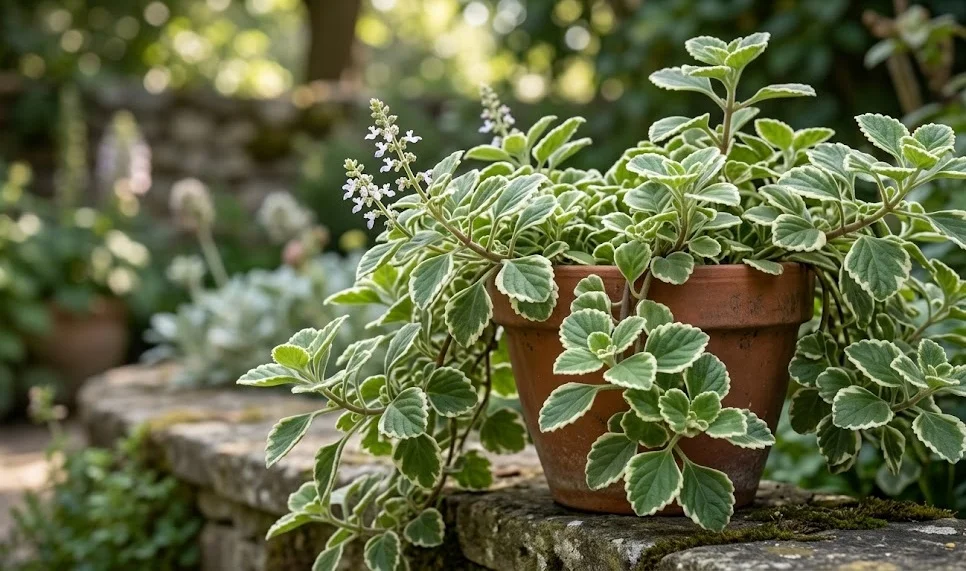

Expanding your collection of ornamental plants is a rewarding endeavor that starts with proper planting techniques. You should choose a day with mild weather to begin the process of setting your new plants into their home. The success of a new planting depends heavily on the initial preparation of the site or the container. By following a few professional steps, you can ensure that your Swedish ivy thrives from the very first day.
Selecting the right container is the first step toward a successful planting experience for any gardener. You should look for a pot that provides ample room for the roots to grow but is not excessively large. A container that is too big can hold too much moisture, which might lead to complications later on. Ensure that the material of the pot allows for some breathability, like terracotta or high-quality plastic with drainage.
The quality of the potting medium will dictate how well the plant establishes itself in its new environment. You should use a professional-grade mix that is designed for foliage plants to ensure the right balance of nutrients. Adding a handful of coarse sand or perlite can further improve the drainage characteristics of the soil. Avoid using heavy garden soil, as it can become compacted and restrict the movement of air and water.
Once you have your materials ready, you can proceed with the actual planting of the specimen. You should place a small amount of soil at the bottom of the container before positioning the plant. Carefully loosen the root ball if the plant was previously root-bound in its nursery pot. Fill the remaining space with soil, pressing down gently to remove any large air pockets around the roots.
Propagation through stem cuttings
The most common and effective way to multiply your Swedish ivy is by using stem cuttings. You should select healthy, vigorous stems that have at least three or four sets of leaves. Use a sharp, sterilized pair of scissors or a knife to make a clean cut just below a leaf node. Removing the lower leaves will prevent them from rotting when they are placed in the rooting medium.
More articles on this topic
You have the choice of rooting your cuttings in either clean water or directly in a moist substrate. You should change the water every few days if you choose the water-based method to keep it fresh. Once roots reach a length of about one inch, the cutting is ready to be moved to soil. If you plant directly in soil, keeping the humidity high will help the cutting survive until roots form.
Providing a warm and bright environment is essential for the rapid development of new roots on your cuttings. You should avoid placing the young cuttings in direct sunlight, as they are very sensitive to drying out. A bright windowsill that receives indirect light is usually the perfect spot for this stage of growth. You will notice new leaf growth once the root system has successfully established itself in the pot.
Consistency in moisture levels is the key to preventing your cuttings from wilting before they take root. You should check the soil or water levels daily to ensure they never dry out completely. Covering the cuttings with a clear plastic bag can create a mini-greenhouse effect that retains vital moisture. After a few weeks, you can gradually acclimate the new plants to the normal humidity levels of your home.
Choosing the right time for planting
Timing is an important factor when you are planning to expand your garden or repot existing plants. You should ideally perform most planting tasks during the active growing season in spring or early summer. This allows the plant to take advantage of the natural increase in light and temperature for faster establishment. Planting during the dormant winter months can result in much slower root growth and higher stress.
More articles on this topic
If you are planting outdoors, you must wait until all danger of frost has completely passed for the season. You should monitor the local weather forecast to ensure that nighttime temperatures remain consistently above freezing. Cold soil can shock the roots of a young plant and significantly delay its development. Providing a warm start will help the plant grow much faster and produce more lush foliage.
Indoor planting can be done at almost any time of the year, provided you can control the environment. You should still try to align your planting with the spring season for the most vigorous results. If you must plant in winter, consider providing supplemental light to help the young plant get started. Managing the indoor temperature is easier, but the lack of natural light can still be a challenge.
Observing the growth cycles of your mother plant will tell you when it is the best time to take cuttings. You should wait until the plant is actively producing new shoots before you begin the propagation process. Cuttings taken from a healthy, growing plant have a much higher success rate than those taken from a dormant one. This natural synergy with the plant’s rhythm ensures the best possible outcome for your efforts.
Rooting and early establishment
After the roots have formed, the young plant enters a critical phase of establishment in its permanent home. You should treat the new plants with extra care for the first few weeks after they have been potted. Avoid using strong fertilizers during this period, as the new roots are still very tender and sensitive. Focus on maintaining a stable environment and consistent moisture to encourage deep root penetration.
The growth rate of a newly established Swedish ivy can be surprisingly fast under the right conditions. You should keep an eye on the stems and pinch them back early if you want a more compact plant. This encourages the plant to put more energy into the root system and lateral branches from the start. A well-branched young plant will eventually grow into a much more attractive and full specimen.
Light levels should be gradually increased as the plant becomes more robust and shows signs of steady growth. You should avoid sudden moves from a shaded rooting area to a very bright balcony or patio. Gradual acclimation prevents the young leaves from being damaged by the change in light intensity. This careful transition period is vital for building a strong and resilient plant for the future.
Long-term success starts with the attention to detail you provide during these early stages of life. You should regularly check for any signs of pests that might target the soft, new growth of young plants. Keeping the area around your new plantings clean will reduce the risk of any initial health problems. Your dedication during the planting and propagation phase will be rewarded with years of beautiful greenery.