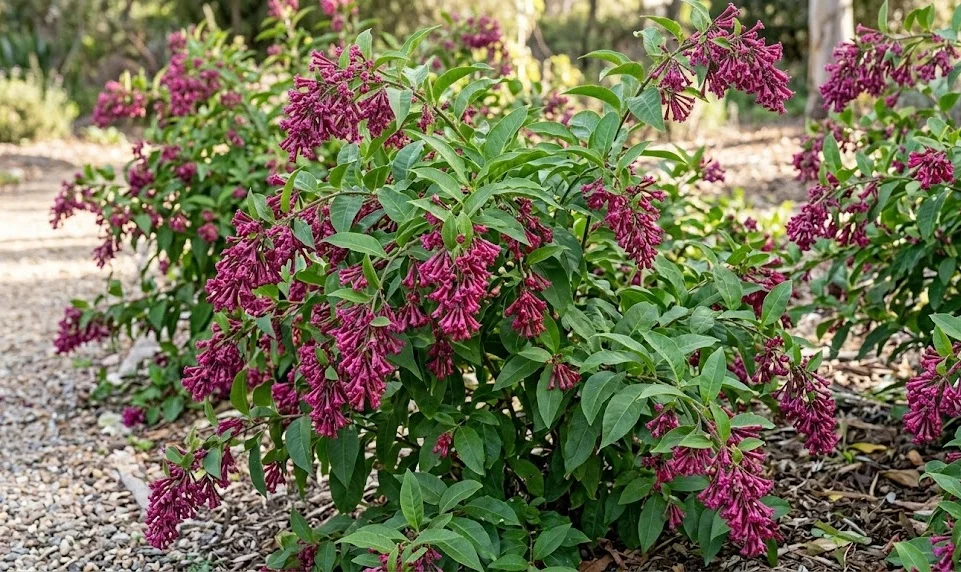

The red cestrum is a sun-loving species that relies on high light levels to fuel its rapid growth and spectacular flowering cycles. In its native subtropical environment, it often grows in clearings or at the edges of forests where it can access ample solar energy. Finding the right balance of light in a home garden is essential for maintaining the plant’s health and aesthetic appeal. Understanding how light intensity and duration affect the shrub will help you choose the most effective placement for your specimen.
Sun exposure needs
To achieve its full potential, the red cestrum generally requires a location that receives at least six hours of direct sunlight each day. This energy is primarily used to produce the sugars necessary for the development of its iconic red flower clusters. Without sufficient light, the shrub will likely become leggy and sparse, with fewer blooms and pale foliage. In cooler northern climates, providing as much sun as possible is usually the best strategy for success.
However, in regions with very intense summer heat, some protection from the harsh afternoon sun can be beneficial. In these environments, the ideal location is often one that receives full morning sun but is filtered or shaded during the hottest part of the day. This prevents the leaves from scorching and reduces the amount of water the plant loses through evaporation. Striking this balance ensures the plant stays vibrant without being stressed by excessive thermal energy.
The quality of the light is just as important as the quantity when it comes to the health of this shrub. Bright, direct light encourages a compact growth habit with shorter distances between the leaf nodes. Plants grown in shaded conditions tend to “stretch” toward the light, resulting in weak stems that may struggle to support the weight of the flowers. If you notice your shrub becoming unusually tall and thin, it is a clear sign that it needs a brighter location.
Reflected light from nearby surfaces can also play a role in the plant’s light environment. A south-facing wall can provide extra warmth and reflected light, which is often a major advantage in cooler gardens. On the other hand, the intense glare from light-colored pavements can sometimes be too much for the foliage to handle during a heatwave. Paying attention to these subtle environmental factors will help you fine-tune the plant’s placement for optimal results.
More articles on this topic
Managing heat stress
While the red cestrum loves the light, high intensity can sometimes lead to heat stress if the plant isn’t properly supported. When temperatures soar, the plant’s ability to transport water to its leaves can be overwhelmed by the rate of evaporation. This results in wilting, even if the soil is technically moist, as the plant tries to protect itself by reducing its surface area. Providing temporary shade with a lattice or garden umbrella can help the plant cope during extreme weather events.
Sunscald is another common issue for plants that are moved from a shaded area to a sunny one too quickly. This appears as bleached or brown patches on the leaves where the tissue has literally been burnt by the sun’s rays. It is most common in late spring when indoor plants are moved outside for the season. To avoid this, always transition the plant slowly and allow it to build up its natural defenses against UV radiation.
Humidity also affects how the red cestrum interacts with light and heat in the garden. In dry climates, the leaves are much more prone to desiccation under direct sun than in humid ones. Maintaining a consistent watering schedule and using mulch to keep the roots cool can significantly increase the plant’s heat tolerance. Some gardeners also use specialized shade cloth to filter the light during the most intense weeks of the summer.
Observing the plant at different times of the day will tell you a lot about its relationship with the sun. If the leaves are vibrant and upright in the morning but drooping by two in the afternoon, it may be receiving too much direct heat. Conversely, if the plant looks healthy but never flowers, it is almost certainly not getting enough energy from the sun. Making small adjustments to the environment can lead to a much more resilient and beautiful shrub.
More articles on this topic
Indoor light optimization
When growing red cestrum in containers indoors or overwintering it in a house, light management becomes even more critical. Standard indoor light is often many times weaker than what the plant would receive outside, even in a shady spot. Placing the plant near a large, south-facing window is usually the best way to provide the necessary intensity. Regularly rotating the pot ensures that all sides of the plant receive equal exposure and prevents it from growing toward the glass.
If natural light is limited, the use of specialized LED grow lights can make a significant difference in the plant’s vigor. These lights can be programmed to provide the specific spectrum of light needed for both foliage growth and flower production. Positioning the lights a few inches above the top of the plant and leaving them on for twelve to fourteen hours a day mimics a natural summer cycle. This extra energy is often what allows a potted red cestrum to continue blooming indoors.
Dust buildup on the leaves is a common indoor problem that can significantly reduce the plant’s ability to photosynthesize. Regularly wiping the leaves with a damp cloth or giving the plant a gentle shower helps keep the foliage clean and efficient. This simple maintenance task ensures that every bit of available light is being used to support the shrub’s health. It also gives you a chance to inspect the plant closely for any indoor pests that might be hiding.
Finally, be aware of the “greenhouse effect” that can happen when a plant is placed too close to a sunny window. The glass can trap heat and create a localized hot zone that scorches the foliage, even if the room itself is cool. Maintaining a few inches of space between the leaves and the window pane allows for better air circulation and temperature regulation. With these thoughtful adjustments, you can successfully enjoy the beauty of the red cestrum inside your home.