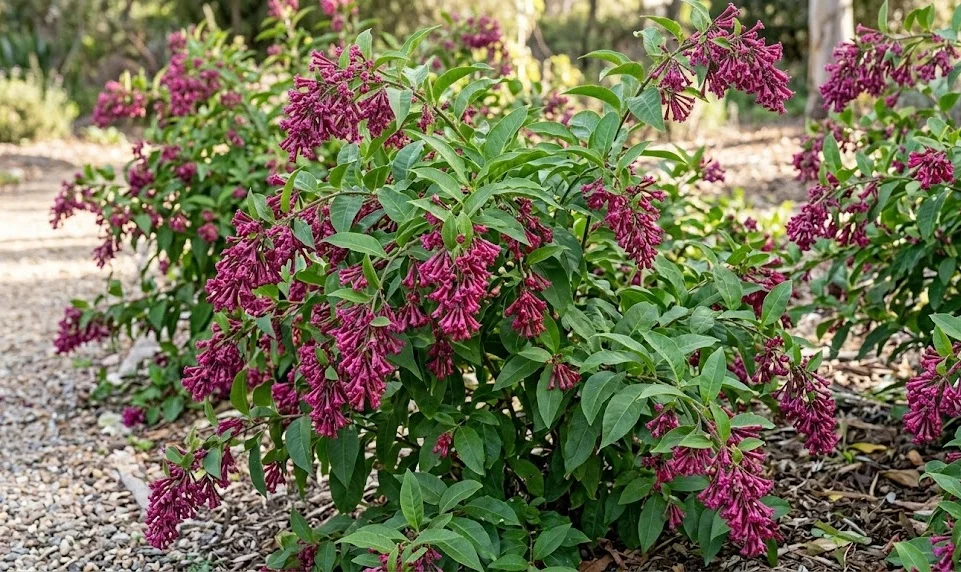

Pruning is a fundamental part of managing a red cestrum, as this vigorous shrub can quickly become overgrown and unruly without regular intervention. A well-pruned plant is not only more aesthetically pleasing but also healthier and more productive when it comes to flowering. By understanding the correct timing and techniques, you can shape the shrub to fit your garden’s design while encouraging the best possible display of its vibrant crimson blooms. Mastering these skills allows you to keep the plant within its allotted space for many years.
Tools and timing
The success of any pruning session begins with using the right tools for the job. For most tasks on a red cestrum, a sharp pair of bypass pruners is the most versatile choice, allowing for clean cuts that heal quickly. For thicker, older branches, you may need a pair of loppers to get the necessary leverage without crushing the wood. Always ensure your tools are clean and well-maintained to prevent the spread of diseases between different plants in your garden.
Timing is the most important factor to consider before you start cutting into your shrub. The best time for major pruning is in late winter or very early spring, just as the plant is preparing to break dormancy. Pruning at this stage allows the plant to direct all its fresh spring energy into the buds you have chosen to keep. It also gives the wounds plenty of time to heal before the peak growing season brings more environmental pressures.
Minor maintenance pruning, such as deadheading spent flowers or removing damaged stems, can be done throughout the year. Removing the faded flower clusters encourages the plant to produce a new flush of blooms rather than putting energy into seed production. This practice, known as deadheading, keeps the shrub looking tidy and extends the overall flowering period. Just be careful not to remove developing buds that will form the next round of flowers.
Avoid heavy pruning in late summer or autumn, as this can stimulate a new flush of growth that won’t have time to harden before winter. This tender growth is highly susceptible to frost damage and can weaken the overall structure of the plant. If you must cut back the shrub for winter protection, wait until the plant has naturally slowed its growth as the temperatures drop. A disciplined approach to timing ensures the plant remains resilient throughout the seasons.
More articles on this topic
Shape maintenance pruning
The natural habit of the red cestrum is to produce long, arching branches that can sometimes become leggy if left alone. Shape maintenance pruning focuses on creating a more compact and bushy form that fits better in most garden landscapes. You can achieve this by cutting back the longest stems to a healthy leaf node or a side branch. This encourages the plant to branch out from lower down, creating a denser and more attractive silhouette.
Thinning out the center of the shrub is another important aspect of maintaining a good shape. By removing some of the oldest or most crowded stems from the base, you allow more light and air to reach the interior of the plant. This improved circulation reduces the risk of fungal diseases and ensures that the inner foliage remains healthy and green. A well-thinned plant looks more elegant and allows the arching form of the remaining branches to be better appreciated.
Always aim to maintain a balanced look by stepping back frequently to view the entire plant from different angles. It is easy to get carried away and prune one side more heavily than the other, resulting in an asymmetrical shape. If the plant is growing against a wall or trellis, you can prune it to be more two-dimensional to fit the available space. The goal is to work with the plant’s natural growth pattern rather than trying to force it into a rigid, artificial shape.
When making your cuts, always angle them slightly away from the bud to allow water to run off rather than collecting on the raw wood. This simple technique helps prevent rot and encourages the new growth to emerge in the desired direction. Cutting back to an outward-facing bud will encourage the new branch to grow away from the center, keeping the plant open and airy. Attention to these small details during the pruning process leads to a much better long-term result.
More articles on this topic
Rejuvenation techniques
If you have inherited an old, neglected red cestrum that has become woody and unproductive, rejuvenation pruning may be necessary. This more drastic approach involves cutting the entire plant back to within a few inches of the ground in early spring. While it may look shocking at first, the vigorous nature of the shrub means it will quickly respond with a flush of healthy new growth. This technique “resets” the plant and allows you to build a new, better-managed structure from scratch.
Another method for older plants is the three-year renewal plan, which is less stressful for the specimen. In the first year, remove one-third of the oldest, woodiest stems right at the ground level. In the second year, remove half of the remaining old stems, and in the third year, remove the final original branches. By the end of this period, the entire shrub will have been replaced by fresh, productive wood without ever leaving a major hole in your landscape.
After any heavy rejuvenation pruning, the plant will need extra care to support its recovery and rapid growth. Provide a deep watering and a balanced application of fertilizer to ensure it has the resources it needs to rebuild its canopy. You should also be extra vigilant about pests, as the succulent new shoots are particularly attractive to insects like aphids. This period of intense growth is the perfect time to start training the new stems into the desired shape.
Rejuvenation is also a good opportunity to evaluate the health of the root system and the surrounding soil. If the plant has been in the same spot for many years, adding a thick layer of compost around the base can provide a much-needed nutrient boost. Most red cestrums will return to full flowering within a season or two of being rejuvenated. This process breathes new life into tired specimens and ensures they remain a focal point in your garden for many more years.