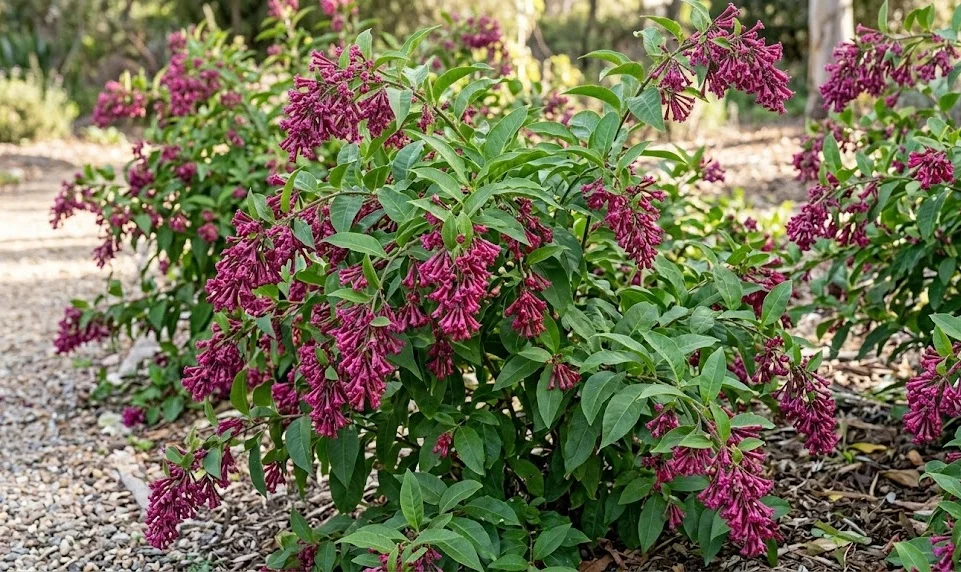

While the red cestrum is a resilient and vigorous shrub, it is not entirely immune to the challenges posed by pathogens and insects. Maintaining its health requires a vigilant eye and an understanding of the common threats that can affect its appearance and vitality. From fungal infections caused by excessive moisture to sap-sucking insects that target new growth, being prepared for these issues is part of expert gardening. Early detection and targeted intervention are the most effective ways to protect your investment and ensure the plant thrives.
Common fungal infections
Fungal diseases are among the most frequent issues faced by red cestrum, particularly in humid or overly wet environments. Powdery mildew is a common culprit, appearing as a white, dusty coating on the leaves and young stems. This fungus thrives when there is high humidity and poor air circulation around the foliage. While it rarely kills the plant, it can significantly detract from its beauty and stunt its growth.
Root rot is a much more serious fungal condition that occurs when the soil remains waterlogged for extended periods. The pathogens attack the root system, causing it to decay and lose its ability to transport water and nutrients to the plant. Above ground, the symptoms often include sudden wilting, yellowing leaves, and a general decline in health. Once root rot has taken hold, it can be very difficult to save the specimen without drastic intervention.
Leaf spot diseases can also occur, presenting as brown or black circular lesions on the foliage. These spots often have a yellow halo and can spread rapidly during periods of frequent rain. If left untreated, the infected leaves will eventually wither and fall off, reducing the plant’s ability to photosynthesize. Keeping the area under the shrub clear of fallen debris helps prevent the spores from overwintering and reinfecting the plant.
Preventing fungal issues starts with proper cultural practices, such as choosing the right location and watering technique. Always aim water at the base of the plant rather than splashing it over the leaves, especially in the evening. Pruning to open up the center of the shrub improves airflow and helps the foliage dry out more quickly after rain. In persistent cases, the use of organic fungicides or sulfur-based sprays can help manage the spread of infection.
More articles on this topic
Pest identification
The succulent new growth and abundant flowers of the red cestrum act as a natural magnet for several types of garden pests. Aphids are perhaps the most common, often congregating in large numbers on the tips of young stems and flower buds. They feed by piercing the plant tissue and sucking out the nutrient-rich sap, causing the leaves to curl and distort. A heavy infestation can lead to a sticky residue known as honeydew, which often attracts ants and sooty mold.
Spider mites are another significant threat, especially during hot and dry weather when the plant is already under stress. These tiny arachnids are difficult to see with the naked eye, but their presence is revealed by fine webbing and stippling on the leaves. The leaves will eventually take on a bronzed or dusty appearance and may drop prematurely if the mites are not controlled. Increasing local humidity and spraying the plant with water can help deter these pests.
Scale insects and mealybugs are sometimes found on the woody stems and in the leaf axils of the shrub. Scale appears as small, hard bumps that look like part of the bark, while mealybugs resemble tiny clusters of white cotton. Both pests feed on the plant’s juices and can significantly weaken the specimen over time. They are often overlooked until the population has become large enough to cause visible damage to the plant’s structure.
Whiteflies are a frequent problem in greenhouse environments or very sheltered garden spots. These tiny, moth-like insects fly up in a cloud when the foliage is disturbed and feed on the underside of the leaves. Like aphids, they produce honeydew and can transmit viral diseases between different plants in your collection. Regular inspections of the undersides of the leaves are the best way to catch whitefly populations before they explode.
More articles on this topic
Organic control
Managing pests and diseases without harsh chemicals is a priority for many modern gardeners who value environmental health. One of the simplest and most effective organic methods is using a strong stream of water from a hose. This physical action can knock aphids, spider mites, and whiteflies off the plant, significantly reducing their numbers. This should be done in the morning to allow the plant plenty of time to dry before nightfall.
Insecticidal soaps and neem oil are excellent organic options for dealing with soft-bodied insects. These products work by coating the pests and disrupting their breathing or feeding mechanisms without leaving harmful residues. They are most effective when applied directly to the insects, so thorough coverage of all plant surfaces is essential. Repeat applications are usually necessary to catch any individuals that hatched after the initial treatment.
Encouraging natural predators is a long-term strategy for maintaining a healthy balance in your garden. Ladybugs, lacewings, and predatory mites are all beneficial insects that feed on common pests like aphids and spider mites. By avoiding broad-spectrum pesticides, you allow these helpful residents to establish themselves and provide free pest control. Planting a variety of nectar-rich flowers nearby can also help attract these beneficial allies to your red cestrum.
Handpicking is a practical solution for larger pests or small, localized infestations of scale and mealybugs. A cotton swab dipped in rubbing alcohol can be used to dab individual insects, effectively killing them on contact. This method is time-consuming but highly targeted and safe for the surrounding environment. For fungal issues, simply removing and disposing of the most affected leaves can slow down the spread of the disease.
Chemical interventions
In cases where organic methods are insufficient to save a heavily infested plant, chemical interventions may be considered. It is important to choose a product that is specifically labeled for the pest or disease you are trying to control. Always read the instructions carefully and follow all safety precautions, including wearing protective clothing and masks. Using the correct dosage ensures the treatment is effective without causing unnecessary harm to the shrub.
Systemic insecticides are absorbed by the plant’s roots or foliage and distributed throughout its entire vascular system. When an insect feeds on any part of the treated plant, it ingests the chemical and is killed. This provides long-lasting protection but should be used with caution, as it can also affect non-target insects like bees. These products are often reserved for severe infestations of scale or other difficult-to-reach pests.
Fungicides are available in various forms to combat persistent issues like powdery mildew or leaf spot. Some act as a protective barrier on the leaf surface, while others are absorbed by the plant to fight the infection from within. Timing is critical for fungal treatments; they are most effective when applied at the very first sign of the disease. In some environments, preventative spraying during damp weather may be necessary to keep the plant healthy.
When using chemicals, it is vital to consider the timing of the application to protect local pollinators. Spraying in the late evening when bees are less active minimizes their exposure to the treatment. Avoid applying chemicals to the flowers themselves, focusing instead on the stems and the undersides of the leaves. Responsible use of chemical controls can be a valuable part of an integrated approach to plant health management.
Prevention techniques
The most effective way to manage pests and diseases is to prevent them from occurring in the first place. This begins with maintaining the overall health and vigor of the red cestrum through proper care. A plant that is well-watered, correctly fed, and growing in the right location is naturally more resistant to challenges. Stress is the primary factor that makes a shrub vulnerable to both pathogens and insect attacks.
Hygiene in the garden plays a significant role in reducing the presence of pests and diseases. Regularly cleaning your pruning tools with alcohol prevents the accidental transfer of fungi or viruses between plants. Removing fallen leaves and spent flowers eliminates the hiding spots and breeding grounds for many common garden problems. A tidy growing environment makes it much harder for harmful organisms to establish a foothold.
Monitoring the local weather and adjusting your care routine accordingly can head off many potential issues. For example, during periods of high humidity, you might reduce watering or increase pruning to improve airflow. Being aware of the seasonal cycles of pests like aphids allows you to be extra vigilant when they are most likely to appear. Early detection is often the difference between a minor cleanup and a major horticultural crisis.
Finally, ensuring that new plants are healthy before introducing them to your garden is a crucial preventative step. Carefully inspect any nursery-bought specimens for signs of hitchhiking pests or suspicious leaf spots. Quarantining new additions for a week or two allows you to monitor them in isolation before they join your existing collection. These simple habits create a robust defense system that keeps your red cestrum looking its best.