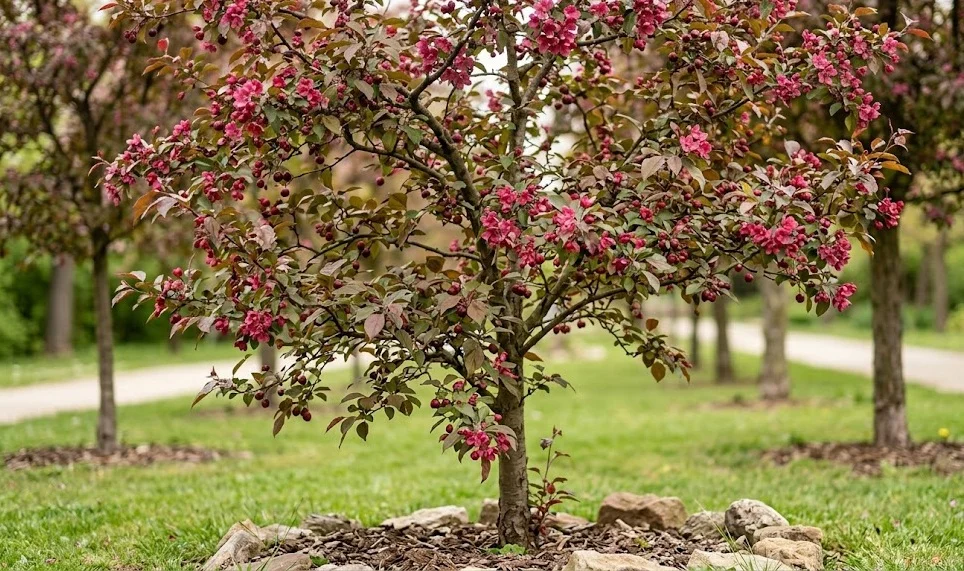

Preparing a purple leaf crabapple for the winter months is a critical phase of the annual care cycle that ensures the tree emerges healthy in the spring. While these trees are generally cold-hardy, the transition into dormancy involves complex physiological changes that can be supported by thoughtful gardening practices. A professional approach to overwintering focuses on protecting the roots, trunk, and moisture levels against the harsh conditions of the cold season. By taking these steps, you safeguard the tree’s structural integrity and its potential for a vibrant display in the coming year.
The dormant season is not a period of total inactivity but rather a time when the tree redirects its energy toward internal maintenance and root health. As the days shorten and temperatures drop, the purple foliage fades and eventually falls, reducing the tree’s surface area and moisture loss. This natural process is essential for the tree’s long-term survival in temperate climates. Helping the tree transition smoothly into this state involves managing late-season growth and ensuring adequate hydration before the ground freezes.
Winter presents unique challenges such as desiccating winds, fluctuating temperatures, and potential damage from hungry wildlife. Young trees, in particular, have thinner bark and less established root systems, making them more vulnerable to these environmental stressors. Protective measures taken in late autumn can prevent bark splitting, root damage, and the loss of essential moisture. A well-prepared tree is much more likely to withstand even the most severe winter weather without significant setbacks.
Observing the tree during the winter months allows you to identify and address issues that might otherwise go unnoticed until it is too late. Checking for mechanical damage from ice or snow and monitoring for signs of rodent activity around the base are important tasks. While the garden may seem quiet, the health of your ornamental specimens still requires occasional attention. Professional winter care ensures that the beauty and value of your landscape are preserved throughout the entire year.
Late autumn preparation
The process of overwintering begins several weeks before the first hard freeze arrives in the garden. One of the most important steps is to stop any heavy fertilization by mid-summer to prevent the stimulation of new, tender growth. This succulent wood does not have enough time to harden off before the cold weather hits and is very likely to be killed by frost. Encouraging the tree to naturally slow its growth as autumn approaches is a key professional strategy for winter success.
More articles on this topic
Clearing the area around the base of the tree is a vital sanitation practice that reduces the risk of disease and pest issues in the spring. Fallen leaves and fruit can harbor fungal spores and provide a cozy winter home for harmful insects or rodents. Raking this debris away from the trunk and disposing of it properly keeps the environment clean and healthy. This simple task significantly lowers the initial pest pressure when the tree begins to leaf out again in several months.
Inspecting the tree for any structural issues or dead wood should be done while the canopy is still visible but starting to thin. Removing dead or diseased branches in the autumn prevents them from breaking under the weight of winter snow and causing further damage. This is also a good time to assess the overall shape of the tree and plan for any major pruning that might be needed during the dormant season. A clean, healthy structure is much more resilient to the physical stresses of winter storms.
Applying a final, thorough irrigation in late autumn is perhaps the most critical task for ensuring the tree’s winter survival. Even after the leaves have fallen, the roots continue to function and need moisture to stay healthy throughout the dormant period. A well-hydrated tree is much better equipped to handle the drying effects of cold winter winds. Ensuring the soil is moist before it freezes solid provides a buffer of hydration that the tree can rely on until the spring thaw.
Protective mulching and root safety
Mulch remains your best tool for protecting the root system of a purple leaf crabapple during the coldest months of the year. A thick layer of organic material acts as an insulator, preventing the rapid freezing and thawing of the soil that can damage delicate roots. This stability is especially important in regions where the snow cover is inconsistent and the soil is exposed to direct temperature fluctuations. A well-mulched tree will have a much healthier and more active root system when spring arrives.
More articles on this topic
The depth of the winter mulch layer should be slightly thicker than what is used during the summer months to provide maximum insulation. Aim for a layer of three to four inches of bark or wood chips, spread in a wide circle around the tree. As always, keep the mulch several inches away from the trunk to prevent moisture buildup against the bark. This “doughnut” shape provides the necessary protection for the roots while ensuring the trunk remains dry and healthy.
In addition to temperature regulation, mulch helps to maintain moisture levels in the soil throughout the winter. While the tree is dormant, it still loses small amounts of water through its bark and buds, a process that can lead to desiccation if the roots are dry. Mulch reduces the rate of evaporation from the soil surface, keeping more water available for the tree’s minimal winter needs. This is particularly important for young trees with smaller, more vulnerable root systems.
If you are gardening in an exceptionally cold or exposed location, you may want to consider using a temporary winter mulch of evergreen boughs or straw. These materials provide extra insulation and can help trap snow, which is one of nature’s best insulators for the garden. These temporary layers can be easily removed in the spring as the ground begins to warm and the tree starts its new growth. Adapting your mulching strategy to your specific local conditions is part of professional-level care.
Bark and trunk protection
The bark of young purple leaf crabapples is relatively thin and can be easily damaged by a phenomenon known as sunscald. This occurs on sunny winter days when the dark bark absorbs heat and the cells beneath begin to become active, only to be killed when the temperature drops rapidly at night. This can lead to long, vertical cracks on the south or southwest side of the trunk, which become entry points for pests and diseases. Protecting the trunk is a vital step for ensuring the long-term health of the specimen.
Using a tree wrap or a plastic trunk guard is a simple and effective way to prevent sunscald on young trees. These products reflect the sunlight and keep the bark at a more consistent temperature throughout the day and night. The wrap should be applied in late autumn and removed in early spring as soon as the danger of extreme temperature fluctuations has passed. This temporary protection can save a tree from significant structural damage that might take years to heal.
Wildlife can also pose a serious threat to the bark of your crabapple during the winter when other food sources are scarce. Rabbits and voles often gnaw on the tender bark at the base of the tree, sometimes girdling it completely and killing the specimen. Installing a cylinder of hardware cloth or wire mesh around the trunk is the best way to prevent this type of damage. Ensure the mesh is buried several inches into the soil and extends high enough to be above the expected snow line.
Check the trunk and guards periodically throughout the winter to ensure they remain in good condition and are not causing any issues. If a guard becomes tight or traps too much moisture, it may need to be adjusted or temporarily removed. Keeping a close eye on the physical condition of the trunk allows you to catch any problems early before they become serious. Protecting the vascular system of the tree is essential for its ability to transport water and nutrients in the spring.
Monitoring and winter hydration
Hydration remains a concern throughout the winter, especially during periods of thaw or when the ground is not completely frozen. If the winter is exceptionally dry or there is no snow cover for several weeks, the tree may benefit from a mid-winter watering. This should only be done on a day when the temperatures are above freezing and the water has time to soak in before the ground refreezes. Professional gardeners often monitor soil moisture even in the “off-season” to ensure their trees don’t suffer.
Heavy snow and ice can cause physical damage to the branches, especially if they are already structurally weak. While it may be tempting to knock ice off the branches, this can often cause more harm than good by snapping the brittle wood. Instead, gently support weighted branches or allow the ice to melt naturally if possible. If a branch does break, wait for a dry day to make a clean, professional cut to remove the damaged wood and prevent further tearing.
Winter is also an excellent time to observe the overall structure of the canopy without the distraction of the purple foliage. You can easily spot crossing branches, structural defects, or signs of old pest damage that were hidden during the summer. Taking notes on these observations will help you plan your late winter or early spring pruning session. This proactive approach ensures that you are ready to act as soon as the weather becomes favorable for maintenance tasks.
As spring approaches, start to look for the first signs of bud swell, which indicates that the tree is waking up from its dormant state. This is the time to remove any winter wraps or guards and to pull back some of the extra mulch from the trunk. Monitoring the transition back into the growing season is the final step of a successful overwintering plan. A tree that has been well-cared for during the winter will reward you with a spectacular and healthy burst of new growth.