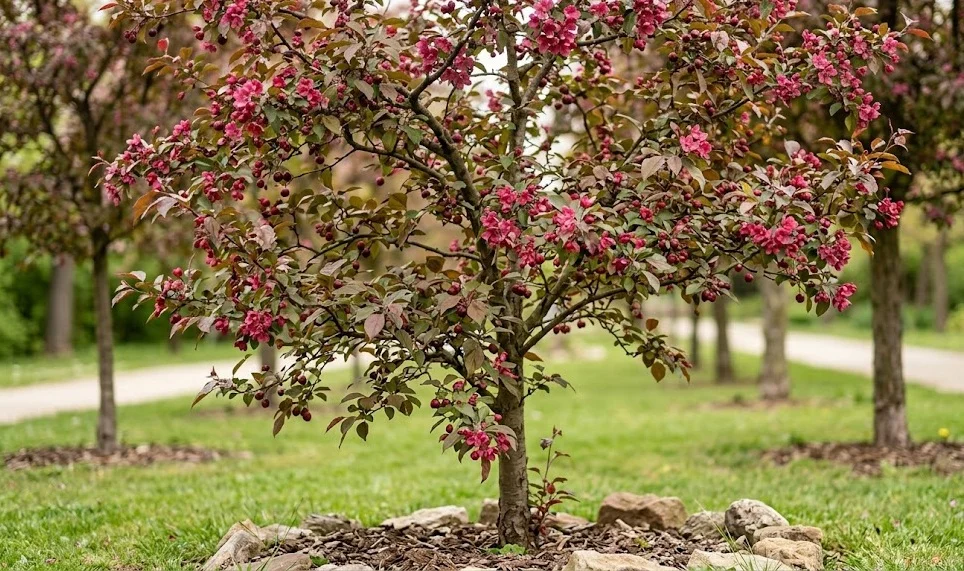

Protecting the purple leaf crabapple from biological threats is a primary responsibility for any gardener seeking a pristine specimen. While these trees are generally robust, they are susceptible to a specific range of pathogens and insects that can mar their beauty or threaten their survival. A professional management strategy focuses on prevention, early detection, and the use of targeted interventions. By understanding the life cycles of common threats, you can maintain a healthy environment where the tree can thrive despite these challenges.
The most common issues for crabapples are fungal in nature, often flourishing in damp or humid conditions. Diseases like apple scab can cause significant leaf drop, reducing the tree’s ability to produce energy and affecting its aesthetic value. Management of these issues often begins with cultural practices that reduce moisture on the foliage and improve airflow through the canopy. Being proactive with these simple steps can often eliminate the need for more intensive chemical treatments later in the season.
Insects can also pose a threat, ranging from minor annoyances like aphids to more serious pests like wood borers. Some insects cause direct damage by feeding on the leaves or fruit, while others act as vectors for more serious diseases. Monitoring the tree throughout the growing season allows you to catch these populations before they reach damaging levels. Using integrated pest management techniques ensures that the interventions you choose are effective while minimizing impact on beneficial insects.
Environmental stress often acts as a precursor to disease and pest outbreaks by weakening the tree’s natural defenses. A tree that is properly watered, fed, and pruned is much more capable of resisting an infestation than one that is struggling. Maintaining overall vigor is therefore the most important step in any long-term health plan for your purple leaf crabapple. Professional care involves looking at the whole system rather than just reacting to individual symptoms as they appear.
Fungal disease management
Apple scab is perhaps the most frequent fungal challenge faced by crabapple owners, especially in regions with wet springs. This pathogen causes dark, velvety spots on the leaves and can lead to premature yellowing and leaf fall. While it rarely kills the tree outright, repeated years of heavy infection can significantly weaken the specimen and reduce its ornamental quality. Choosing resistant cultivars and maintaining good hygiene by removing fallen leaves are the first lines of defense.
More articles on this topic
Powdery mildew is another common fungal issue that presents as a white, dusty coating on the leaves and young shoots. This disease thrives in warm, humid weather and can cause the new growth to become distorted or stunted. Unlike most fungi, powdery mildew does not require standing water on the leaves to germinate, making it a persistent threat in many climates. Increasing light penetration and air circulation through strategic pruning can help mitigate the impact of this unsightly pathogen.
Rust diseases, characterized by bright orange or yellow spots on the upper leaf surface, involve a complex life cycle between two different hosts. For crabapples, cedar-apple rust is a frequent problem where the fungus moves between the tree and nearby junipers or cedars. While the damage is often purely aesthetic, a severe infection can cause significant defoliation and impact fruit production. Managing the surrounding landscape and using preventive fungicide applications during peak infection periods can control the spread.
Maintaining a clean environment around the base of the tree is essential for breaking the life cycle of many fungal pathogens. Many fungi overwinter in the leaf litter, ready to re-infect the new growth as soon as the temperatures rise in the spring. Raking and disposing of fallen leaves and fruit at the end of each season is a simple but highly effective professional practice. This sanitation reduces the local inoculum and gives the tree a cleaner start for the next growing year.
Bacterial threats and fire blight
Fire blight is a serious bacterial disease that can rapidly devastate a purple leaf crabapple if left unchecked. It is characterized by branches that look as though they have been scorched by fire, with leaves turning dark brown or black and remaining attached. The bacteria are often spread by pollinators or splashing rain during the blooming period when the tree is most vulnerable. This is a systemic issue that can move quickly through the vascular system of the plant.
More articles on this topic
Controlling fire blight requires a combination of rapid intervention and careful pruning to remove infected wood. When symptoms appear, the affected branches should be cut back at least 12 inches into healthy tissue to ensure the bacteria are completely removed. It is critical to sterilize pruning tools between every single cut with alcohol or a bleach solution to prevent spreading the infection further. This meticulous attention to detail is necessary to save a tree from a severe fire blight outbreak.
Preventive measures for bacterial diseases focus on avoiding practices that encourage soft, succulent growth. Over-fertilizing with nitrogen in the spring can produce a flush of tender tissue that is highly susceptible to bacterial entry. Instead, aim for steady, moderate growth that allows the tree to develop stronger cell walls and better natural defenses. Monitoring the weather during the bloom period can also help you predict when the risk of infection is at its highest.
Choosing resistant varieties is the most sustainable way to avoid the heartbreak of fire blight in the garden. Professional horticulturists have spent years breeding crabapples that are much less susceptible to this specific pathogen. If you are planting in an area where fire blight is known to be prevalent, selecting one of these modern cultivars is a wise investment. A naturally resistant tree requires far less intensive management and provides much greater peace of mind for the gardener.
Common insect pests
Aphids are a frequent but usually manageable pest that feeds on the tender new growth of the crabapple. These small, soft-bodied insects suck the sap from the leaves, causing them to curl and become distorted. They also excrete a sticky substance called honeydew, which can lead to the growth of black sooty mold on the foliage. In most cases, a strong blast of water from a garden hose or an application of insecticidal soap is enough to keep populations under control.
Scale insects can be more difficult to spot, as they often look like small bumps or crusts on the branches and twigs. These pests remain stationary for most of their lives, feeding on the tree’s fluids and slowly weakening the affected limbs. A heavy infestation can cause branch dieback and a general decline in the tree’s vigor over several years. Horticultural oils applied during the dormant season are an effective professional tool for smothering these pests without harming beneficial insects.
Caterpillars and sawfly larvae may occasionally feed on the foliage, sometimes stripping entire branches if left unmanaged. While most healthy trees can withstand a moderate amount of leaf loss, large populations can be stressful for young saplings. Hand-picking the larvae or using biological controls like Bt (Bacillus thuringiensis) can effectively manage these pests with minimal environmental impact. Regular scouting during the early summer is the best way to catch these leaf-eaters before they cause significant damage.
Borers are among the most dangerous insect pests because they feed inside the trunk and branches where they are protected from many treatments. These larvae tunnel through the wood, disrupting the flow of water and nutrients and creating structural weaknesses. Signs of borer activity include small holes in the bark, oozing sap, or “sawdust” accumulating at the base of the tree. Maintaining a healthy, unstressed tree is the best defense, as borers are primarily attracted to trees that are already struggling.
Integrated pest management
Integrated Pest Management (IPM) is a professional framework that prioritizes long-term prevention and low-impact solutions for managing garden threats. It begins with regular monitoring to understand exactly what pests are present and whether their numbers are high enough to cause real damage. This approach avoids the use of “blanket” chemical sprays that can kill beneficial insects and disrupt the natural balance of the garden. By being precise with your interventions, you create a more stable and healthy ecosystem for your tree.
Encouraging natural predators is a cornerstone of a successful IPM strategy in any ornamental landscape. Ladybugs, lacewings, and parasitic wasps are all powerful allies that can keep aphid and scale populations in check without human interference. Planting a diversity of flowering plants around your crabapple provides these beneficial insects with the food and habitat they need to thrive. A garden that is rich in life is often much more resilient to pest outbreaks than a sterile, chemically treated one.
Cultural controls, such as proper pruning and watering, are your most powerful tools for preventing issues before they start. A tree that has plenty of light and air moving through its canopy is far less likely to suffer from fungal infections. Likewise, a well-hydrated tree can produce more resin and other defensive compounds to deter boring insects. Professional care is about creating an environment where the tree’s own natural defenses are maximized.
When chemical treatments are necessary, choose the least toxic options that are effective for the specific problem at hand. Horticultural oils, soaps, and botanical extracts like neem oil can manage many common pests with very low risk to the environment. Always read and follow the label instructions carefully to ensure the product is used safely and effectively. The goal is to solve the immediate problem while preserving the long-term health of the garden and its inhabitants.
Environmental stress factors
Abiotic issues, which are caused by non-living factors, are often mistaken for diseases or pest damage in the garden. Drought stress, for example, can cause leaf margins to turn brown and brittle, a symptom known as leaf scorch. This is a physical reaction to the tree losing more water than it can take up, rather than an infection. Identifying the root cause of the problem—in this case, lack of water—is essential for providing the correct remedy.
Nutrient imbalances can also cause unusual leaf colors or growth patterns that mimic disease symptoms. Chlorosis, caused by an iron deficiency or improper soil pH, leads to yellow leaves with green veins, which some might mistake for a virus. A professional soil test is the only way to distinguish between these nutritional issues and biological pathogens. Correcting the soil chemistry is often much more effective than applying fungicides or insecticides to a healthy but malnourished tree.
Mechanical damage from lawnmowers or string trimmers is a common entry point for diseases and pests into the tree’s system. Wounds on the trunk can take a long time to heal and provide a perfect environment for fungi and bacteria to establish themselves. Creating a wide mulch ring around the base of the tree keeps equipment at a safe distance and prevents these avoidable injuries. Protecting the bark is a simple but vital part of maintaining the tree’s overall integrity and health.
Extreme weather events, such as late spring frosts or severe winter winds, can cause physical damage to the leaves and buds. While the tree will usually recover from these setbacks, the damaged tissue can be more susceptible to secondary infections. Monitoring the weather and providing temporary protection when possible can help minimize the impact of these environmental stressors. A professional gardener is always aware of the local climate and its potential effects on the health of their ornamental specimens.