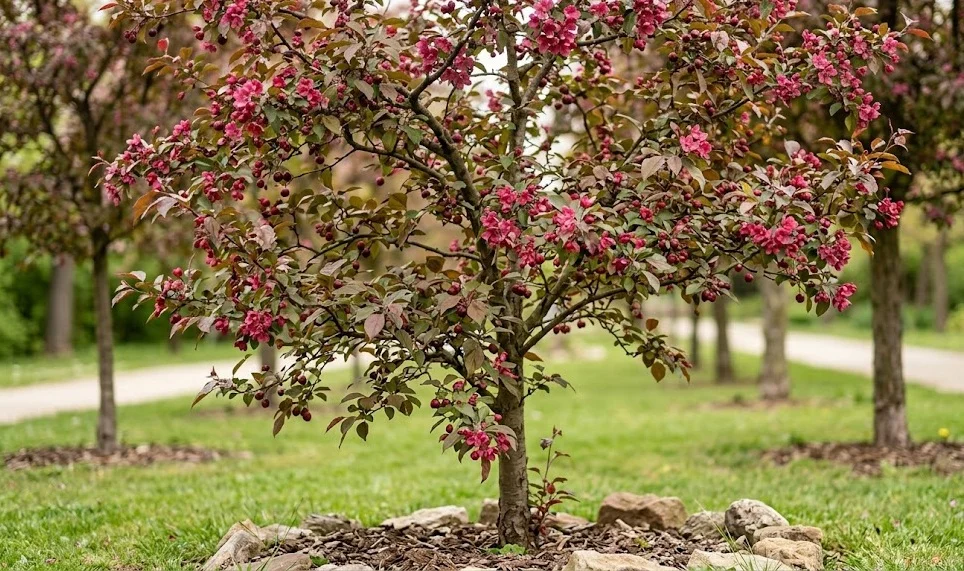

Mastering the art of pruning is essential for maintaining both the health and the aesthetic appeal of a purple leaf crabapple. These trees respond well to careful shaping, which allows you to highlight their beautiful branching patterns and vibrant foliage. Beyond looks, pruning is a vital health practice that removes potential problems and encourages the tree’s natural vigor. A professional approach to cutting back involves understanding the tree’s growth cycle and using the right techniques to achieve a balanced, resilient specimen.
The primary goals of pruning a crabapple are to improve air circulation, increase light penetration, and maintain a strong structural framework. By thinning out crowded branches, you reduce the humidity within the canopy, which is the most effective way to prevent fungal diseases. Pruning also allows more sunlight to reach the inner leaves, ensuring that the purple color remains consistent throughout the entire tree. A well-pruned tree is not only more beautiful but also significantly healthier and longer-lived.
Timing is a critical factor in successful pruning, as cutting at the wrong time of year can stress the tree or reduce the next season’s bloom. For most crabapples, the best time for major structural pruning is in late winter or early spring while the tree is still dormant. This allows you to see the branch structure clearly and ensures that the wounds heal quickly as the tree begins its active growth. Light maintenance, such as removing dead wood or suckers, can be done at almost any time of year as needed.
Using high-quality, sharp tools and following proper technique ensures that the cuts you make are clean and heal properly. Ragged or improper cuts can lead to bark tearing and provide a doorway for pests and diseases to enter the tree’s vascular system. Every cut should be made with a specific purpose in mind, avoiding unnecessary thinning that could weaken the tree. Professional pruning is a deliberate and thoughtful process that respects the natural form of the purple leaf crabapple while enhancing its best features.
Objectives of aesthetic pruning
The first step in aesthetic pruning is to identify the natural “skeleton” of the tree and work to enhance its inherent beauty. Purple leaf crabapples often have a lovely, spreading habit that can be emphasized by removing small, cluttered branches that hide the main limbs. The goal is to create a sense of “transparency,” where you can see through the canopy to the structure within. This sophisticated look elevates the tree from a simple shrub-like form to a true architectural element in the garden.
More articles on this topic
Maintaining a balanced and symmetrical canopy is another key objective for ornamental specimens in a focal-point location. You should step back frequently during the pruning process to evaluate the tree from different angles and ensure that one side is not becoming heavier than the other. Removing overextended branches helps to keep the tree in scale with the surrounding landscape and prevents a lopsided appearance. A well-balanced tree is more pleasing to the eye and also more stable in high winds or under snow loads.
Correcting structural defects early in the tree’s life is far more effective than trying to fix them once the tree is mature. Narrow crotch angles, where two main branches grow too close together, can lead to included bark and eventual splitting as the tree gains weight. Removing one of these competing branches while the tree is young ensures a much stronger and safer framework for the future. Professional pruning is as much about long-term safety as it is about immediate visual appeal.
Finally, pruning can be used to manage the size of the tree if it is growing in a confined space near a building or walkway. By using thinning cuts rather than heading cuts, you can reduce the overall spread of the tree without destroying its natural grace. This allows the purple leaf crabapple to fit perfectly into its designated spot while still looking like a natural, unforced specimen. Careful size management ensures that the tree remains a welcome part of the landscape for many years to come.
Structural pruning for health
Health-focused pruning begins with the “Three Ds”: removing all dead, damaged, and diseased wood from the tree. These branches serve no purpose and can act as a source of infection for the rest of the canopy if left in place. Dead wood also becomes brittle over time and can break unexpectedly, posing a safety risk to anyone nearby. Regular removal of these compromised sections keeps the tree looking clean and prevents minor issues from becoming major health threats.
More articles on this topic
Thinning the interior of the canopy is essential for improving the airflow that keeps fungal diseases like apple scab at bay. By removing “water sprouts”—the thin, vertical shoots that often grow from the main branches—you open up the center of the tree to the breeze. This allows the leaves to dry more quickly after rain or dew, which is the best natural defense against many pathogens. A more open canopy also ensures that every leaf receives enough light to maintain its vibrant purple color.
Removing suckers that grow from the base of the trunk or directly from the roots is a necessary task for maintaining the tree’s form. These shoots are often vigorous but lack the ornamental characteristics of the grafted variety and can quickly make the base of the tree look messy. They also divert valuable energy away from the main canopy where it is needed for flower and fruit production. Keeping the trunk clear highlights the beautiful bark and maintains the classic “tree” silhouette of the crabapple.
Crossing or rubbing branches should always be addressed, as the constant friction can wear away the bark and create a permanent wound. Over time, these open areas become perfect entry points for wood-boring insects and fungal decay. By removing the less desirable of the two rubbing branches, you allow the other to grow strong and healthy without interference. This type of proactive maintenance is a hallmark of professional tree care that prevents future structural failure.
Seasonal timing and tool maintenance
Late winter, just before the buds begin to swell, is widely considered the ideal time for the primary pruning session of the year. During this dormant period, the tree is less stressed by the cutting, and the absence of leaves makes it much easier to see the overall structure. It also avoids the period when many pests and diseases are most active, reducing the risk of infection through the fresh wounds. Pruning in late winter encourages a vigorous flush of new growth in the spring, which is perfect for revitalizing an older tree.
While dormant pruning is standard, you can also perform light “summer grooming” to remove water sprouts or suckers as they appear. This prevents them from becoming too large and woody, making them easier to remove with minimal stress to the tree. However, avoid heavy pruning in late summer or autumn, as this can stimulate new growth that won’t have time to harden off before the winter. Following the natural rhythm of the tree ensures that your pruning efforts support rather than hinder its health.
The quality and condition of your pruning tools are just as important as your technique for achieving a professional result. Sharp blades make clean cuts that heal quickly, while dull tools can crush the wood and tear the bark, leading to slow recovery and potential disease. It is worth investing in a high-quality pair of bypass pruners, loppers, and a dedicated pruning saw for larger branches. Keeping your tools clean and well-oiled will ensure they are always ready for the task at hand and will last for a lifetime.
Sanitizing your tools between trees, and especially after cutting diseased wood, is a critical professional practice that prevents the spread of pathogens. A quick dip or spray with a 70% alcohol solution or a mild bleach mixture is enough to kill most bacteria and fungi on the blades. This is particularly important when dealing with fire blight, which can be easily moved from branch to branch on contaminated tools. A clean approach to pruning is the final step in ensuring your purple leaf crabapple remains a healthy and vibrant highlight of your garden.