
Understanding the light requirements of garden thyme is perhaps the most fundamental aspect of successfully cultivating this aromatic Mediterranean herb. You must recognize that light is the primary driver for the production of the essential oils that give the plant its characteristic scent and flavor. Without sufficient solar energy, the herb will struggle to maintain its compact form and will become increasingly susceptible to pests and diseases. Providing the right intensity and duration of light is a professional necessity for anyone looking to harvest high-quality thyme from their garden.
The plant’s relationship with the sun is a complex physiological interaction that influences everything from leaf size to root development. You should aim to place your herbs in a location where they can capture the maximum amount of direct sunlight available throughout the day. In its native habitat, thyme clings to rocky hillsides where the sun is intense and unobstructed by larger vegetation. By replicating these high-light conditions in your own landscape, you can ensure that your plants remain healthy, productive, and full of aromatic vitality.
In addition to the intensity of the light, the duration of exposure is also a critical factor that you must consider when choosing a planting site. You will find that thyme generally requires at least six to eight hours of direct sun to perform at its best and to produce a robust harvest. While some varieties can tolerate a bit of partial shade, they will never be as fragrant or as sturdy as those grown in full sun. Professional herb growers always prioritize light exposure as the first and most important criteria for site selection in the garden.
Monitoring how the light shifts across your garden throughout the changing seasons will help you make better decisions about where to place your plants. You should be aware of how the shadows from trees, buildings, and other structures change as the sun moves lower in the sky during the autumn and winter. This seasonal awareness allows you to optimize the light environment for your herbs and to provide supplemental care if necessary. Understanding these dynamics is the key to maintaining a thriving and beautiful herb garden that meets the highest agricultural standards.
The role of full sun exposure
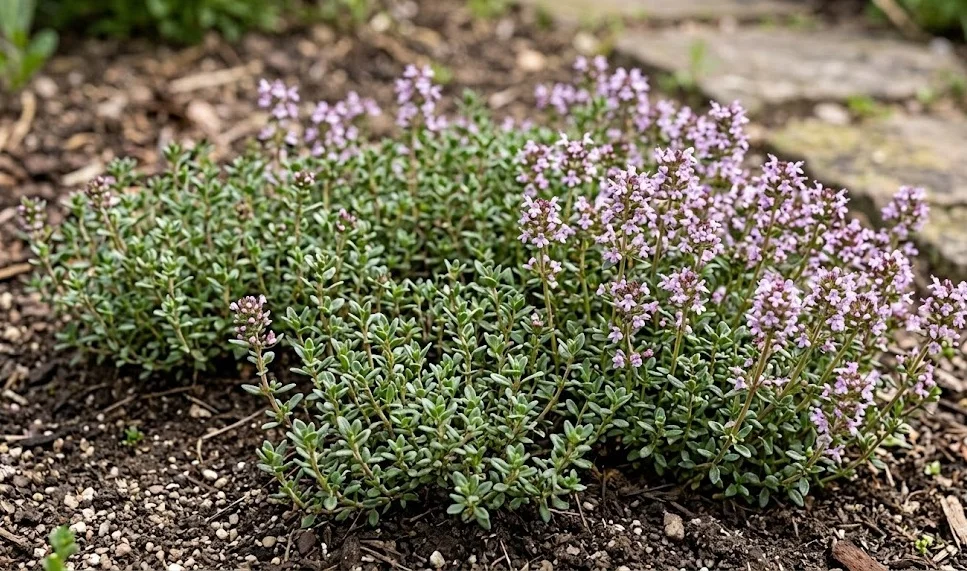
Full sun exposure is the ideal condition for garden thyme because it provides the energy needed for the synthesis of thymol and other aromatic compounds. You should look for a spot in your garden that is not shaded by nearby trees or the walls of your house for the majority of the day. The leaves of the herb are small and covered in a waxy cuticle, which are adaptations designed to help the plant handle intense solar radiation. In full sun, the plant maintains a tight, mounded shape that is both aesthetically pleasing and structurally sound.
More articles on this topic
When thyme receives adequate light, it also becomes more resistant to fungal diseases which often thrive in the damp, shaded parts of the garden. You will notice that the soil dries out more quickly and the air around the plants is warmer, both of which are conditions that the herb prefers. The sun also helps to keep the foliage dry, reducing the risk of gray mold or other moisture-related infections that can damage the plant. This natural form of disease prevention is one of the many benefits of choosing the right, high-light location for your herb bed.
The color and texture of the leaves are also directly influenced by the amount of light the plant receives during the growing season. You might notice that thyme grown in bright sun has a more silvery or gray-green appearance compared to plants grown in more shaded spots. This coloration is often due to the development of tiny hairs or a thicker leaf surface that protects the plant from UV damage. These physical changes are a professional sign that the herb is successfully adapting to its environment and maximizing its internal oil production.
If you are growing thyme in a region with extremely hot summers, you might worry that the sun could be too intense for the plants. However, as long as the roots have access to a small amount of moisture, the herb is remarkably resilient to heat and high light levels. You should avoid the temptation to move the plants into the shade during a heatwave, as this can actually cause more stress than the sun itself. Instead, focus on providing a light mulch to keep the soil temperature stable while allowing the foliage to soak up the sun.
Managing partial shade scenarios
While full sun is always preferred, you might find yourself in a situation where partial shade is the only option available in your garden. You should choose varieties of thyme that are specifically noted for their ability to handle lower light levels, such as some of the creeping or variegated types. These plants may grow a bit more slowly and have a slightly less intense flavor, but they can still be a valuable addition to your herb collection. In these scenarios, you must be even more diligent about managing other environmental factors like drainage and airflow.
More articles on this topic
If your plants are in a shaded spot, you should be particularly careful not to over-water them, as the soil will stay damp for much longer than in a sunny area. You might also need to prune the herbs more frequently to prevent them from becoming leggy or stretching toward the nearest light source. This “stretching” is a sign that the plant is not getting enough energy and is trying to find more, often at the expense of its structural integrity. A professional gardener knows how to balance these trade-offs to keep the plants looking their best in less-than-ideal conditions.
Reflective mulches or light-colored stones can be used to bounce more sunlight up into the foliage of plants grown in partial shade. You should consider placing your thyme near a white wall or a light-colored fence that can radiate additional heat and light back onto the herb bed. This simple technique can significantly improve the microclimate and help the plants overcome some of the limitations of a shaded location. It is a creative and professional way to maximize the resources you have available in a smaller or more crowded garden.
Regularly thinning out any overhanging branches from nearby trees or shrubs can also help increase the amount of light reaching your thyme plants. You should make this part of your annual garden maintenance routine to ensure that your herb bed doesn’t become increasingly shaded over time as other plants grow. Even a small increase in light exposure can make a noticeable difference in the health and aroma of your herbs. By actively managing the light environment, you can enjoy successful thyme cultivation even in gardens that are not perfectly positioned for full sun.
Seasonal shifts in light intensity
The intensity and angle of the sun change significantly throughout the year, and you must adapt your care routine to these seasonal variations. You should recognize that the high-intensity light of midsummer is very different from the weaker, more slanted rays of the late autumn and winter. During the peak growing season, the abundance of light allows the plant to grow rapidly and produce a large amount of aromatic foliage for harvest. As the days shorten, the plant’s metabolism slows down, and it begins to prepare for its winter dormancy.
In the early spring, the increasing light intensity acts as a signal for the thyme to break dormancy and start producing new green shoots. You should clear away any winter debris as early as possible to ensure that the new growth can capture as much of this early-season sun as possible. This is a critical time for the plant to rebuild its energy reserves and to establish a strong foundation for the rest of the year. Professional gardeners pay close attention to these early-season shifts to give their plants the best possible start to the growing cycle.
During the winter months, when light is at its lowest levels, the goal is simply to help the plant survive until the sun returns in force. You should ensure that your herbs are not covered by heavy layers of fallen leaves or debris that could block out what little light is available. If you are overwintering your plants in containers indoors, you might need to use supplemental grow lights to provide the necessary spectrum for survival. Maintaining even a low level of light exposure helps the plant stay healthy and ready to bounce back once spring arrives.
Finally, consider how the total amount of light received over the entire year influences the long-term longevity and productivity of your herb garden. You will find that plants grown in consistently high-light environments tend to live longer and remain more productive than those struggling in the shade. The cumulative effect of years of adequate solar energy results in a robust, woody structure that can withstand the various stresses of the environment. By respecting the light requirements of thyme, you are investing in the future health and beauty of your entire agricultural landscape.