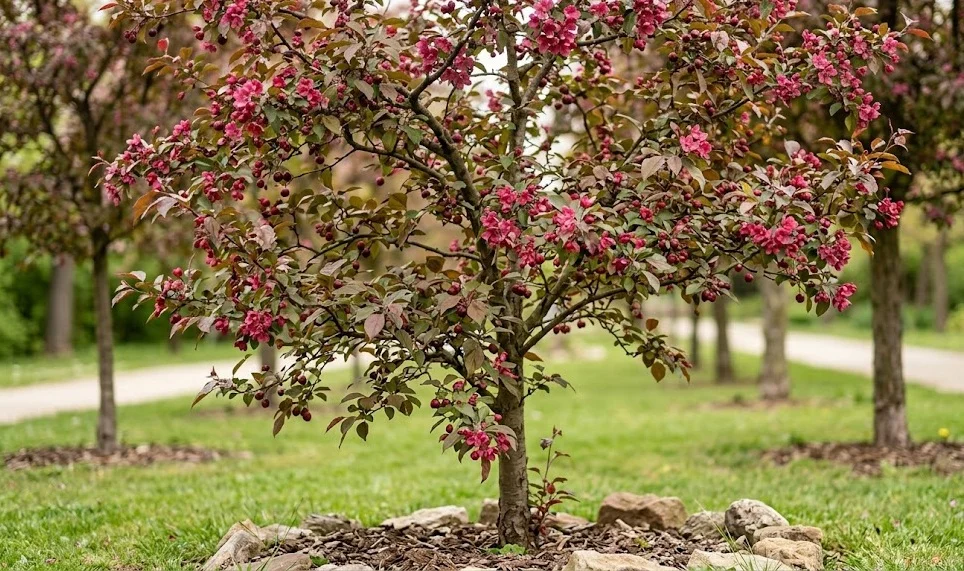

Purple leaf crabapple trees represent a pinnacle of ornamental horticulture, blending dramatic foliage with delicate spring blooms. Maintaining these specimens requires a nuanced understanding of their biological rhythm throughout the changing seasons. Success in the garden often hinges on the initial choices made regarding placement and consistent observational care. A well-maintained tree not only enhances property value but also provides essential ecological benefits to local pollinators.
The foundation of a healthy tree begins with a site that mimics its natural preferences for air circulation. Stagnant air can lead to a host of fungal issues that detract from the tree’s overall vigor. Gardeners should observe how wind moves through the selected area before finalizing any long-term planting decisions. Proper spacing from buildings and other large structures ensures that the canopy has room to expand naturally.
The visual appeal of the purple foliage is directly linked to the health of the root system and nutrient availability. Regular inspections of the leaves can reveal much about the internal state of the plant before visible distress occurs. Early intervention is the key to preventing minor issues from becoming significant threats to the tree’s life. Dedicated care ensures that the characteristic deep wine-red color remains vibrant throughout the entire growing season.
Long-term care involves a commitment to understanding the specific cultivar’s growth habits and potential weaknesses. Every region presents unique challenges, from unexpected late frosts to prolonged periods of drought or humidity. Adapting a maintenance routine to these local conditions is what separates a casual gardener from a true expert. Consistent care translates into a robust specimen that can withstand the test of time and environmental shifts.
Optimal environmental conditions
The success of a purple leaf crabapple is largely determined by the macro and microclimates of the chosen garden location. These trees thrive in areas where they can receive unobstructed airflow to dry their leaves after rainfall or morning dew. Without this natural drying mechanism, the risk of scab and other moisture-related diseases increases exponentially. Selecting a high point in the landscape or an open area is usually the most effective strategy.
More articles on this topic
While these trees are relatively hardy, they do best in temperate zones that offer a distinct change of seasons. The chilling requirements during winter are necessary for the tree to set its impressive display of spring flowers. If the climate is too mild, the blooming period may be sparse or non-existent in subsequent years. Understanding the local hardiness zone helps in selecting the most compatible varieties for a specific garden.
Surrounding vegetation also plays a critical role in the development and overall health of the specimen. Competition for resources like light and water can stunt the growth of a young crabapple if it is placed too close to aggressive shrubs. Providing a clear zone around the trunk reduces competition and makes maintenance tasks significantly easier to perform. Thoughtful planning during the design phase prevents many common growth issues seen in crowded landscapes.
Urban environments present specific challenges such as heat islands and localized air pollution that must be addressed. Crabapples are generally resilient to city life, but they still require protection from excessive reflected heat from concrete surfaces. Adding organic matter to urban soils can help mitigate some of the negative effects of compaction and poor drainage. Monitoring the tree for signs of urban stress allows for timely adjustments in the watering and care routine.
Soil management and health
The soil serves as the primary reservoir for water and nutrients, making its composition vital for the tree’s longevity. Purple leaf crabapples prefer a loamy texture that allows for deep root penetration while maintaining adequate moisture levels. Soil that is too sandy may drain too quickly, leaving the tree vulnerable during the height of the summer heat. Conversely, heavy clay can suffocate the roots and lead to rot if the drainage is not improved.
More articles on this topic
Testing the soil pH is a professional step that should never be overlooked by serious horticulturists. These trees typically favor a slightly acidic to neutral range where most essential minerals are readily available. If the soil is too alkaline, the tree may suffer from chlorosis, resulting in yellowing leaves and reduced vigor. Simple amendments like sulfur or peat moss can help shift the pH to a more favorable level over time.
Incorporating organic matter into the planting site and surrounding area provides a slow-release source of vital nutrients. Well-rotted compost or leaf mold improves soil structure and encourages beneficial microbial activity within the rhizosphere. This living soil network helps the tree absorb minerals more efficiently and increases its resistance to soil-borne pathogens. A healthy soil ecosystem is the best defense against environmental stressors that target the root zone.
Compaction is a silent threat that can slowly decline the health of even the most established ornamental trees. High foot traffic or heavy machinery near the root zone collapses the pore spaces necessary for oxygen exchange. Aerating the soil periodically can help restore the balance of air and water needed for healthy root function. Protecting the area under the canopy with mulch or groundcovers is an excellent way to prevent future compaction issues.
Mulching and surface protection
Applying a thick layer of mulch around the base of the tree is one of the most beneficial maintenance tasks. This protective barrier helps to regulate soil temperature, keeping roots cooler in the summer and warmer during winter. It also acts as a moisture regulator by reducing evaporation from the soil surface during dry spells. A consistent moisture level is crucial for maintaining the lush purple foliage that makes this tree so desirable.
The choice of mulching material can influence the long-term health and appearance of the planting site. Wood chips, shredded bark, or pine needles are excellent organic options that break down slowly over time. As these materials decompose, they continue to add valuable organic matter back into the soil profile. Avoid using inorganic materials like stones or plastic sheets, as they can trap heat and interfere with natural gas exchange.
Proper application of mulch is just as important as the material itself to avoid potential health problems. The mulch should never be piled against the trunk of the tree, a practice often referred to as volcano mulching. This can trap moisture against the bark, leading to rot and providing a hiding spot for rodents and wood-boring insects. Instead, create a wide, flat ring that tapers off as it reaches the trunk of the crabapple.
Weed suppression is another significant advantage of maintaining a proper mulch layer in the garden. Weeds compete with the tree for water and nutrients, and their presence can harbor pests that may migrate to the crabapple. By blocking sunlight from reaching weed seeds, mulch significantly reduces the amount of manual labor required for maintenance. A clean, mulched area also provides a professional and finished look to the entire landscape design.
Seasonal monitoring and observation
Developing a habit of regular observation is essential for identifying changes in the tree’s health throughout the year. Spring is the time to look for uniform bud break and the absence of dieback in the smaller branches. Unusual patterns in the blossoms or early leaf drop can be early indicators of environmental or biological stress. Taking notes on these observations helps in creating a historical record of the tree’s performance in your specific garden.
During the summer months, the focus shifts to the condition of the foliage and the presence of potential pests. The deep purple leaves should remain consistent in color and free from major spotting or chewing damage. If the leaves begin to curl or turn brown at the edges, it may be a sign of heat stress or insufficient watering. Early detection of aphids or mites during this period can prevent a large-scale infestation from occurring.
Autumn brings a transition in the tree’s physiology as it prepares for the upcoming period of winter dormancy. This is the time to observe the development of the fruit, which provides secondary ornamental value and food for wildlife. Healthy trees will hold their fruit well into the colder months, adding interest to the winter landscape. Any significant branch damage sustained during summer storms should be assessed for potential repair or removal before winter sets in.
Winter observation is equally important, even though the tree is not actively growing during this time. Checking the bark for cracks or signs of rodent damage can prevent serious structural issues from arising in the spring. Heavy snow loads should be gently brushed off branches to prevent breakage, especially in younger, more flexible trees. Monitoring the winter environment ensures that the tree emerges from its dormant state ready for a vigorous spring.
Structural integrity and support
The physical structure of a purple leaf crabapple determines its ability to withstand wind, snow, and the weight of its own fruit. A well-spaced branching habit allows light to reach the interior of the canopy, promoting healthy leaf development throughout. Structural weaknesses often stem from narrow crotch angles where branches compete for space and resources. Identifying these issues early in the tree’s life allows for corrective measures that ensure a long-lasting form.
Staking is sometimes necessary for young trees or those planted in exceptionally windy locations during their first few years. The goal of staking is to provide support while still allowing the trunk to move slightly in the breeze. This movement is essential for the development of trunk taper and root strength, which are vital for future stability. Stakes should be removed as soon as the tree has established a firm root system to avoid long-term dependency.
Large, heavy branches can occasionally pose a risk if they become overextended or develop structural defects. In some cases, professional cabling or bracing may be required to preserve the aesthetic value of an older specimen. This involves installing hardware to support the weight of the branches and reduce the likelihood of split trunks. Regular inspections by a qualified arborist can help determine if such interventions are necessary for the tree’s safety.
Maintaining a clear trunk also contributes to the structural and aesthetic quality of the ornamental crabapple. Removing suckers that emerge from the base of the tree prevents them from diverting energy away from the main canopy. These vigorous shoots often lack the ornamental characteristics of the grafted variety and can quickly clutter the base of the tree. A clean, single-trunk form highlights the beautiful bark and overall silhouette of the specimen.
Aesthetic enhancement and color
The primary draw of the purple leaf crabapple is its striking visual impact within the landscape. To maximize this effect, the tree should be positioned where its dark foliage can contrast with lighter greens or bright flowers. Silver-leaved perennials or white-flowered shrubs create a sophisticated color palette when planted in the vicinity. Strategic placement ensures that the tree serves as a focal point rather than getting lost in a sea of uniform greenery.
Enhancing the color of the foliage involves maintaining optimal plant health through proper nutrition and hydration. When a tree is stressed, its pigments may fade, leading to a duller appearance that lacks the characteristic vibrancy. Providing consistent care ensures that the anthocyanins responsible for the purple hue are produced in abundance. Sunlight exposure also plays a critical role, as the color often deepens with increased light intensity throughout the day.
The fruit of the crabapple provides another layer of aesthetic interest that lasts long after the flowers have faded. These small, often brightly colored pomes can vary in shade from deep red to orange or purple, matching the foliage. Choosing a variety known for its persistent fruit ensures that the tree remains attractive even during the bleakest months of winter. Birds and other wildlife are often drawn to these fruits, adding life and movement to the garden.
Lighting can be used to extend the visual enjoyment of the tree into the evening hours. Soft uplighting against the dark trunk and purple canopy creates a dramatic architectural effect in the nighttime landscape. This highlights the intricate branching patterns and the texture of the bark, which might otherwise go unnoticed. Thoughtful lighting design elevates the status of the tree from a simple plant to a true garden sculpture.
Long term sustainability and renewal
Planning for the long-term future of a crabapple involves understanding its natural lifespan and growth potential. While these trees are relatively fast-growing, they typically reach a mature height that remains manageable in most residential gardens. Knowing the ultimate size of the chosen cultivar prevents the need for drastic pruning that could ruin the tree’s natural form. Sustainable gardening focuses on matching the right plant to the right space from the very beginning.
As the tree ages, it may require more frequent attention to maintain its vigor and ornamental quality. Thinning out older wood and encouraging new growth helps to rejuvenate the canopy and keep the blooms prolific. Monitoring the soil for nutrient depletion over decades ensures that the tree continues to receive what it needs to thrive. A proactive approach to care can significantly extend the productive life of an ornamental crabapple.
Environmental changes over several years can alter the conditions that once made a site perfect for a crabapple. Increased shade from neighboring trees or changes in local drainage patterns may require adjustments in the care routine. Being flexible and willing to modify maintenance practices ensures that the tree remains healthy despite these inevitable shifts. Adapting to the evolving landscape is part of the professional responsibility of a garden steward.
Eventually, every tree reaches the end of its natural life cycle, and a plan for succession may become necessary. This provides an opportunity to evaluate the performance of the current specimen and consider new varieties that may offer improved disease resistance. Replanting in a nearby location allows for the legacy of the purple leaf crabapple to continue in the garden. Each generation of trees adds to the history and character of the landscape, providing lasting beauty for years to come.