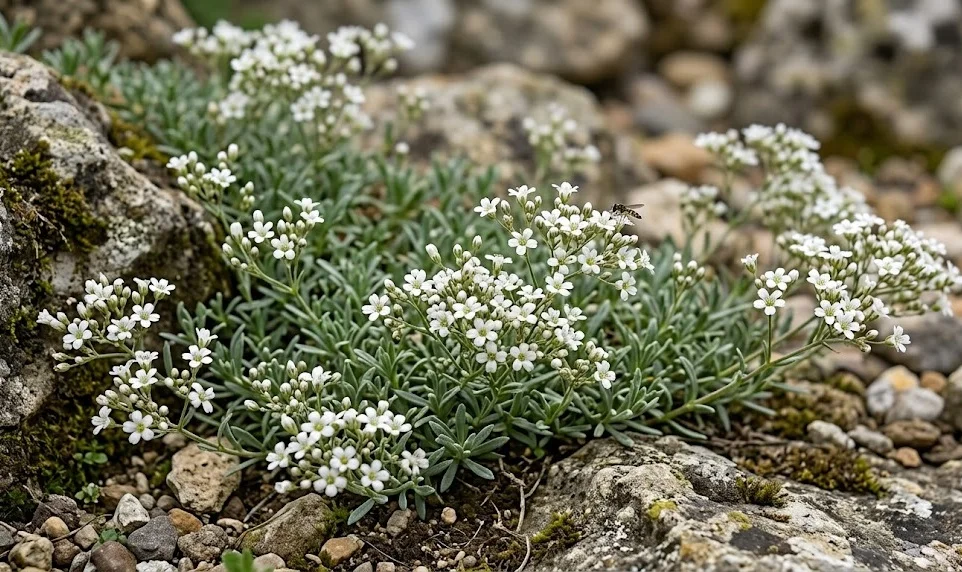

Preparing your garden for the dormant season is a critical phase in the perennial lifecycle, ensuring that your plants emerge strong and healthy in the spring. Creeping baby’s breath is remarkably hardy, often surviving in climates that experience significant frost and snow cover without much difficulty. However, the combination of extreme cold and wet winter soil can be a lethal combination if proper precautions are not taken. This guide outlines the professional steps needed to protect these delicate mats during the harshest months of the year.
The primary challenge during winter is not necessarily the low temperature itself, but rather the moisture levels in the soil and the cycles of freezing and thawing. Because this plant is an alpine native, it is naturally adapted to being covered by a dry, insulating layer of snow for several months. In many garden settings, however, winter often brings rain, sleet, and heavy, wet snow that can lead to crown rot. Protecting the plant from these saturated conditions is the most important part of any overwintering strategy.
As the days shorten and the first frosts arrive, the metabolic processes of the plant shift toward dormancy and the preservation of energy in the root system. You may notice the foliage turning a darker green or even a dull brown as the top growth begins to die back. This is a natural and necessary part of the plant’s life cycle, and it should not be a cause for concern for the gardener. Understanding these physical changes helps you time your interventions correctly to support the plant’s transition into its winter rest.
A professional approach to overwintering involves a combination of structural protection, soil management, and strategic maintenance. By addressing the specific vulnerabilities of groundcovers, such as their exposure to wind and surface ice, you can minimize the risk of winter kill. These preparations should be completed before the ground freezes solid, allowing the plant to enter the dormant period in the best possible condition. Let’s explore the detailed techniques used to ensure your creeping baby’s breath survives the winter with ease.
Preparing for the first frost and dormancy
The preparation for winter actually begins in late summer and early autumn by gradually reducing the amount of supplemental water and fertilizer. This signals to the plant that the growing season is coming to an end and that it should stop producing tender new growth. Soft, nitrogen-rich foliage is much more susceptible to frost damage than older, “hardened off” stems. By allowing the plant to naturally slow its growth, you are helping it build the internal resilience needed to survive the upcoming cold.
More articles on this topic
Cleaning up the area around your plants is another essential task to perform before the first heavy snow falls. Remove any fallen tree leaves that have settled on top of the baby’s breath mats, as these can trap moisture and cause the perennial to rot. Tall weeds should also be cleared away to prevent them from collapsing onto the plant and creating pockets of stagnant air. A clean, open area around the plant ensures that any winter sunlight can reach the crown and that air can circulate freely.
It is generally recommended to leave the existing foliage on the plant throughout the winter rather than cutting it back to the ground. This old growth provides a natural layer of insulation for the crown and helps to trap snow, which is one of the best insulators provided by nature. Only remove parts of the plant that are clearly diseased or heavily infested with pests to prevent those issues from overwintering. The structural integrity of the dried stems also helps prevent the soil from eroding during heavy winter rains.
Monitoring the local weather forecast allows you to time your final garden tasks before the ground becomes inaccessible. If a sudden, extreme drop in temperature is predicted before a protective layer of snow has fallen, you may need to provide temporary cover. Using a breathable material like burlap or specialized frost blankets can protect the delicate tissues from “desiccation” or drying out in the cold wind. Once the temperatures stabilize or snow falls, these temporary covers should be removed to allow for natural ventilation.
Winter mulching and crown protection
Mulching for winter is a delicate operation when dealing with low-growing alpine plants like creeping baby’s breath. Traditional organic mulches like wood chips or shredded leaves should be strictly avoided because they hold too much moisture against the plant’s crown. Instead, a layer of fine gravel, crushed stone, or grit is the professional choice for protecting the base of the plant. This inorganic mulch allows water to drain away rapidly while still providing a small amount of thermal insulation for the roots.
More articles on this topic
If your garden is in a region with particularly harsh, snowless winters, you might consider using evergreen boughs as a protective covering. These branches provide excellent insulation and wind protection without trapping excessive moisture or crushing the plant. Simply lay the boughs over the mats in late autumn and secure them so they don’t blow away in the wind. The needles will eventually fall off, providing a light, airy mulch that is easy to clean up in the spring.
The goal of winter mulching is also to prevent “frost heaving,” a phenomenon where the soil expands and contracts during freeze-thaw cycles, pushing the plant out of the ground. This can expose the delicate roots to the freezing air, leading to a quick death for the plant. A steady, consistent layer of gravel or stone mulch helps to moderate the soil temperature and reduce the severity of these fluctuations. If you do notice a plant has been pushed up by the frost, gently press it back into the soil as soon as it thaws.
For plants grown in containers or raised beds, the risk of freezing is much higher because the roots are not insulated by the mass of the earth. These containers may need to be moved to a more sheltered location, such as against a south-facing wall or into an unheated garage. You can also wrap the pots in bubble wrap or burlap to provide an extra layer of protection against the cold. Ensuring that the pots have excellent drainage is even more critical in the winter to prevent the soil from turning into a block of ice.
Drainage considerations during the dormant period
Water management remains a priority even when the plant is not actively growing, as stagnant water is the leading cause of winter mortality. If the planting site is prone to collecting water during winter thaws, you may need to take steps to divert that moisture away. Creating small drainage channels or “weep holes” in the surrounding soil can help excess water move off the bed more quickly. In professional rock gardens, the entire planting area is often designed with a slight slope to ensure natural runoff.
Ice buildup is another concern, particularly in areas where downspouts or roof runoff can pour directly onto the garden beds. The weight of the ice can crush the plant, and the lack of oxygen beneath an ice sheet can lead to suffocation of the tissues. Ensure that your gutters are clear and that any diverted water is directed far away from your precious perennials. If an ice sheet does form on your plants, it is usually best to let it melt naturally rather than trying to chip it away and causing physical damage.
The choice of substrate at the time of planting is the single most important factor in winter drainage success. A soil that is high in sand and grit will allow water to pass through even when the surface is partially frozen. If you find that your plants are struggling every winter despite your best efforts, it may be a sign that the soil is too heavy and needs more permanent modification. Professional gardeners often use a “rock pocket” technique, filling the planting hole with extra drainage material to protect the roots.
Even during the winter, there may be periods of extreme drought, especially in areas with very low humidity and no snow cover. While you should never water a frozen plant, if the ground thaws and remains dry for several weeks, a very light watering may be beneficial. This is only necessary if the soil is completely desiccated and the temperatures are expected to stay above freezing for a few days. Generally, however, the plant’s moisture needs are minimal during dormancy, and it is far safer to leave it dry than to risk over-saturation.
Spring revival and post-winter care routines
As the temperatures begin to rise and the snow melts, the first sign of spring is the emergence of new growth from the center of the mat. This is the time to carefully remove any winter protection, such as evergreen boughs or frost blankets, to allow the sun to warm the soil. Be gentle when clearing away debris to avoid damaging the tender new shoots that are just starting to appear. If you used a gravel mulch, simply check to make sure it hasn’t shifted too much and is still protecting the crown.
The transition from winter to spring is also the best time to perform a light “cleaning” pruning on your creeping baby’s breath. Use sharp snips to remove any dead or unsightly stems that didn’t survive the winter, which helps the plant look tidy and encourages fresh growth. Avoid a heavy pruning at this stage, as the plant needs its existing tissues to produce energy for the upcoming blooming season. Once the danger of hard frost has passed, you can also consider a light application of balanced fertilizer to support the new growth.
Monitor the soil moisture closely during the spring as the plant wakes up and begins to transpire more water. The combination of spring rains and melting snow can sometimes lead to temporary saturation, so keep an eye on the drainage. If the soil remains soggy for too long, you may need to lightly cultivate the surface to help it dry out. This is also a good time to check for any signs of winter-related diseases, such as mold or rot, and treat them immediately if they appear.
Finally, spring is the ideal season for expanding your collection or moving plants that didn’t thrive in their winter location. The cool, moist weather and the plant’s natural surge in energy make it easy for new transplants to take root. By taking the time to properly overwinter your creeping baby’s breath and providing careful spring maintenance, you ensure a spectacular floral display for the year ahead. A professional gardener’s work in the winter is what sets the stage for a thriving and beautiful landscape in the summer.