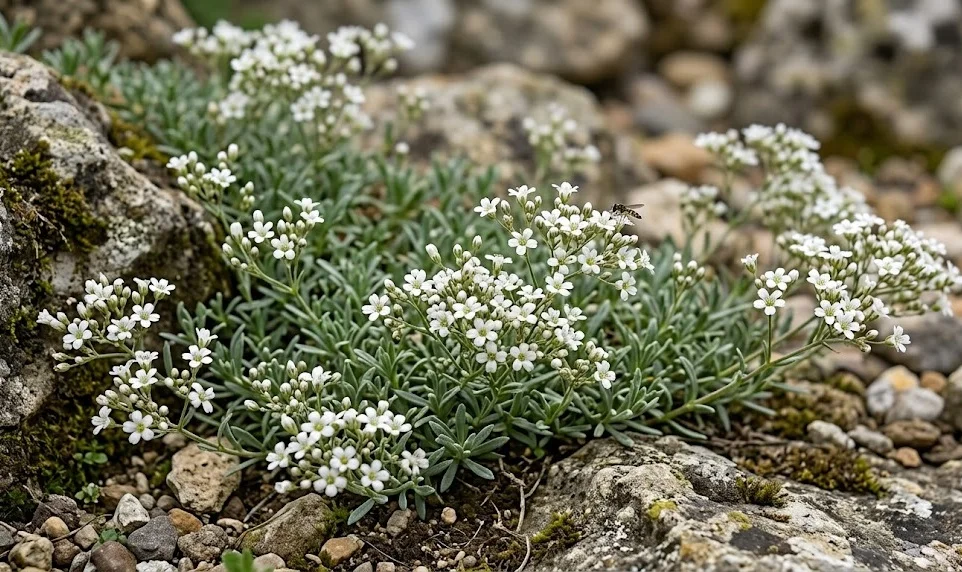

Mastering the balance of hydration and nutrition is the secret to a professional-looking garden display that stays healthy through the summer heat. Creeping baby’s breath is a plant that thrives on a “less is more” philosophy, making it easy to over-manage if one is not careful. While it is known for being drought-tolerant, providing the right amount of water at the right time can significantly enhance the quantity and duration of its flowers. This guide provides a detailed look at how to manage these two critical factors to ensure your plants remain vibrant and strong.
The fundamental rule for watering this perennial is to allow the soil to dry out significantly between irrigation sessions. These plants have evolved in rocky, mountainous regions where water drains away rapidly and the soil doesn’t stay wet for long. Over-watering is one of the most common mistakes made by home gardeners, often leading to crown rot and fungal issues. A professional approach involves observing the plant and the soil moisture level rather than sticking to a rigid, daily calendar.
Environmental factors such as temperature, wind, and humidity play a massive role in how quickly the soil loses its moisture. During a hot, dry summer, the plant will naturally require more frequent attention than during a cool, overcast spring. However, even in the heat, the deep roots of an established baby’s breath can often find moisture that is unavailable to shallower plants. The goal is to provide deep, infrequent watering that encourages the roots to grow further into the ground for long-term resilience.
When it comes to nutrition, these plants are considered “light feeders” and can actually suffer if the soil is too rich in nitrogen. Excessive fertilization often leads to soft, lush foliage that is prone to pests and flopping, rather than the tight, mounded habit that is desired. In many cases, if the soil is already of decent quality, very little supplemental feeding is required at all. Understanding the natural nutritional needs of alpine plants will help you avoid the pitfalls of over-stimulating your garden beds.
Establishing a professional watering schedule
A successful watering routine for creeping baby’s breath should be based on the principle of deep saturation followed by a period of drying. This method encourages the root system to expand and go deeper into the substrate, making the plant more self-sufficient over time. In most climates, a thorough watering once a week during the peak of summer is more than enough for established plants. During periods of natural rainfall, supplemental watering should be suspended entirely to prevent the soil from becoming waterlogged.
More articles on this topic
The best time of day to water is in the early morning before the sun’s rays become too intense and evaporation rates skyrocket. This allows the foliage to dry off quickly, which is essential for preventing the development of mildew or other fungal pathogens. Watering in the evening can be problematic because the damp foliage often stays wet all night, creating a perfect environment for slugs and disease. If morning watering is not possible, the next best option is late afternoon, provided there is still enough warmth to dry the leaves.
Monitoring the plant for signs of drought stress is a skill that comes with experience but is vital for any gardener. When the plant is truly thirsty, its silver-green leaves may lose some of their luster or begin to look slightly shriveled. However, it is important not to confuse these signs with the wilting that occurs during extreme midday heat, which is often a temporary defense mechanism. Always check the soil a few centimeters below the surface; if it still feels cool and slightly damp, the plant likely has enough water.
For newly planted creeping baby’s breath, the watering schedule must be more attentive until the root system has fully integrated with the native soil. During the first few weeks after planting, the soil should be kept consistently moist but never soggy to support the young roots. As the plant begins to show new growth, you can slowly transition toward the “soak and dry” method used for mature specimens. This gradual hardening-off process is crucial for helping the plant adapt to the natural environment of your specific garden.
Irrigation techniques for groundcovers and rockeries
The method of delivery is just as important as the amount of water provided, especially for low-growing plants that form dense mats. Overhead sprinkling is generally discouraged because it traps moisture within the foliage and can lead to rot in the center of the plant. Instead, the focus should be on delivering water directly to the root zone where it is needed most. Using a watering can with a narrow spout or a handheld hose on a low-pressure setting allows for precise application around the base of the plant.
More articles on this topic
Soaker hoses are an excellent professional solution for larger areas or long borders of groundcovers. These hoses weep water slowly along their entire length, allowing it to soak deeply into the soil without disturbing the surface or wetting the leaves. For a more permanent and efficient setup, a drip irrigation system with individual emitters can be installed beneath the mulch layer. This ensures that every drop of water is used effectively and reduces the waste associated with evaporation or runoff.
In a rock garden setting, the placement of stones can influence how water moves through the soil and where it accumulates. Professional landscapers often use the natural “rain shadow” created by larger rocks to their advantage, placing drought-tolerant plants in drier spots. Conversely, if a particular area tends to hold more moisture, the soil must be heavily amended with grit to ensure the baby’s breath doesn’t sit in stagnant water. Understanding the topography of your planting bed will help you water more intelligently and effectively.
Mulching with inorganic materials like gravel or crushed stone also affects how you should irrigate your plants. These materials help to break the impact of water droplets, preventing soil splashing and compaction on the surface. They also act as a buffer that keeps the crown of the plant elevated and dry while the roots below stay hydrated. When watering through a gravel mulch, it may take a moment longer for the moisture to penetrate, so a slow and steady application is always the best approach.
Nutrient requirements and soil fertility management
Creeping baby’s breath is naturally adapted to lean soils that are high in minerals but low in decomposed organic matter. In a professional landscape, the goal is to provide enough nutrients for steady growth without over-stimulating the plant into a weak form. If the plant is growing in a well-prepared rock garden mix, it may not need any additional fertilizer for the first few years. Observing the growth rate and flower quality each season will give you the best indication of whether the soil fertility is adequate.
The primary nutrient of concern for this species is actually calcium, which is why it thrives so well in limestone-rich environments. If your garden soil is naturally acidic, applying a light dusting of garden lime in the spring can help bring the pH into the preferred range. This not only provides the necessary calcium but also ensures that other nutrients are chemically available for the roots to absorb. A soil test every couple of years is a professional way to track these levels and make informed adjustments.
Nitrogen, while essential for all plants, should be used sparingly with baby’s breath to maintain its compact and tidy appearance. High-nitrogen fertilizers often result in an abundance of green leaves but very few of the iconic flowers that define the species. Phosphorus and potassium are generally more important for supporting strong root development and a prolific blooming cycle. If you do choose to fertilize, look for a product with a lower first number (Nitrogen) and higher second and third numbers (Phosphorus and Potassium).
Organic matter, such as compost, should be used with caution as it can sometimes hold too much moisture for this alpine perennial. If the soil is extremely depleted, a very thin layer of well-rotted compost can be worked into the surface in early spring. However, many experts prefer to use a slow-release mineral-based fertilizer that provides a steady stream of nutrients over several months. This avoids the “flush” of growth often seen with liquid fertilizers and leads to a more resilient and naturally shaped plant.
Choosing the right fertilizers for peak performance
When selecting a fertilizer, professional gardeners often opt for a balanced, slow-release granular formula designed for perennials. These products are easy to apply and reduce the risk of nutrient leaching during heavy rains, which is a common problem in sandy soils. A single application in the early spring, just as the new growth begins to emerge, is typically all the plant needs for the entire year. Ensure that the granules are spread around the base of the plant and not left sitting on the foliage, as they can cause chemical burns.
Liquid fertilizers are another option, particularly for plants grown in containers or those that need a quick boost during a stressful season. If using a liquid feed, it is a good professional practice to dilute it to half the recommended strength to avoid over-fertilizing. These should be applied directly to the soil and never sprayed onto the delicate flowers or leaves during the heat of the day. Liquid feeding is usually reserved for the pre-bloom period in late spring to encourage a more spectacular floral display.
Specialized “alpine” or “rock garden” fertilizers are available and are often the best choice for creeping baby’s breath. These formulas are specifically designed to mimic the mineral-rich, low-nitrogen conditions of mountainous habitats. They often contain trace elements like magnesium and boron that are essential for long-term plant health but are frequently missing from standard garden feeds. Investing in a high-quality, specialized product can make a noticeable difference in the vitality and longevity of your groundcovers.
For those who prefer a more natural approach, bone meal is a classic organic fertilizer that provides a slow-release source of phosphorus and calcium. It is particularly effective when worked into the soil at the time of planting or as a light top-dressing in the autumn. Because it breaks down slowly, there is very little risk of burning the roots or causing excessive foliage growth. Always remember that with this particular species, it is far better to under-fertilize than to provide too much of a good thing.
Managing the risks of over-watering and drainage issues
The greatest threat to creeping baby’s breath in the home garden is not drought, but rather the cumulative effects of over-watering. When the roots are constantly submerged in water, they cannot access the oxygen they need for cellular respiration, leading to a rapid decline. The symptoms of root rot often look similar to drought—wilting and yellowing leaves—which can trick inexperienced gardeners into adding even more water. If the center of your plant begins to turn brown or feels mushy at the base, it is a strong indicator of a moisture problem.
Improving the drainage of an existing planting bed can be challenging but is often necessary to save a struggling plant. This might involve lifting the plant and mixing a significant amount of grit or small gravel into the soil before replanting it at a slightly higher level. Creating a small mound or “pocket” for the plant can also help water shed away from the crown more effectively during heavy storms. In professional settings, permanent drainage pipes or French drains may be installed to manage excess water in low-lying areas.
Weather awareness is a key part of professional water management, especially during periods of prolonged rainfall. If the forecast calls for several days of wet weather, it is important to ensure that any automatic irrigation systems are turned off. Removing any dense mulch that holds moisture against the stems can also help the soil dry out faster once the rain stops. The goal is to maximize the speed at which the environment returns to a dry state after a soaking event.
Finally, the health of the plant’s vascular system is dependent on the balance between water uptake and transpiration. High humidity can slow down this process, making the plant more vulnerable to the effects of wet soil. Increasing air circulation by spacing plants appropriately and keeping the area clear of tall weeds can help the plant stay healthy even in less-than-ideal conditions. By being proactive and observant, you can navigate the challenges of watering and fertilization to produce a truly professional garden display.