
Maintaining a vibrant garden requires a deep understanding of the specific needs of low-growing perennials that serve as the backbone of rockeries. Creeping baby’s breath is a resilient and charming plant that offers a delicate mist of flowers when given the proper attention throughout the growing season. Achieving a professional-grade display involves more than just basic watering; it requires a holistic approach to soil health and environmental management. By following a structured care routine, any gardener can ensure these alpine beauties thrive for many years in a domestic or professional landscape.
The general maintenance of these plants begins with a keen eye for their natural growth habits and seasonal transitions. These perennials are known for their sprawling nature, which means they often require a bit of guidance to stay within their designated garden boundaries. Regular inspection of the foliage helps in identifying early signs of stress or nutrient deficiencies before they become systemic problems. A consistent schedule of light maintenance ensures that the plant remains vigorous and aesthetically pleasing throughout the spring and summer months.
Understanding the specific biological clock of this groundcover is essential for timing various garden interventions correctly. During the early spring, the focus should be on clearing away any debris that may have accumulated over the winter months to allow fresh shoots to emerge. As the blooming period approaches, the energy of the plant shifts significantly toward flower production, necessitating a stable environment. Once the primary flowering phase concludes, the care routine transitions toward maintaining the health of the silver-green foliage that remains.
Long-term success with this species is heavily dependent on the surrounding ecosystem and how it interacts with the plant’s root system. While these plants are relatively low-maintenance, they do not respond well to neglect or extreme environmental shifts. Professional gardeners often emphasize the importance of monitoring soil compaction around the base of the plant to ensure oxygen can reach the roots. A proactive approach to care involves anticipating the needs of the plant based on current weather patterns and soil conditions.
Soil and substrate requirements for optimal growth
The foundation of a healthy creeping baby’s breath is the medium in which it is planted, as its roots require specific physical properties. This species naturally thrives in rocky, well-drained environments where water does not linger around the crown for extended periods. Professional growers always recommend a soil mix that is rich in calcium and has a slightly alkaline to neutral pH level. If the native garden soil is too heavy or clay-based, it must be amended with grit or sharp sand to improve porosity.
More articles on this topic
Drainage is arguably the most critical factor when preparing the substrate for these delicate perennial mats. Poorly drained soil will inevitably lead to root rot, especially during the wetter months of the year when evaporation is low. To achieve the perfect balance, one should aim for a substrate that feels gritty to the touch and allows water to pass through almost immediately. Incorporating small stones or volcanic rock into the planting hole can simulate the natural alpine conditions these plants love.
Nutrient levels in the soil should be moderate rather than excessive to prevent the plant from becoming leggy and weak. While a bit of organic matter can be beneficial, too much nitrogen will encourage foliage at the expense of the iconic floral display. A balanced approach involves using lean soil that encourages the plant to maintain its compact, “creeping” habit. Testing the soil pH periodically ensures that the acidity levels remain within the preferred range of 7.0 to 8.0 for the best results.
Compaction is a silent enemy of groundcovers, as it restricts the movement of air and water through the root zone. In established gardens, it may be necessary to gently aerate the soil around the perimeter of the plant without disturbing the shallow root system. Top-dressing with a thin layer of fine gravel can help prevent the soil surface from crusting over after heavy rain. This practice also keeps the foliage off the damp earth, which significantly reduces the risk of fungal infections on the lower leaves.
Managing seasonal growth cycles and transitions
The lifecycle of creeping baby’s breath is marked by a rapid burst of growth in the spring followed by a long flowering period. As temperatures rise, the plant begins to expand its carpet-like reach, covering bare patches of soil or stones with new growth. It is during this phase that the gardener must decide if any directional training is required to keep the plant within its allotted space. Monitoring the speed of growth helps in predicting when the first buds will appear and when the peak bloom will occur.
More articles on this topic
During the height of summer, the plant puts most of its resources into sustaining its cloud-like blossoms. High temperatures can sometimes cause the plant to go into a semi-dormant state if moisture levels are not carefully managed. It is important to avoid any major disturbances or transplanting during this peak metabolic period to prevent unnecessary stress. Providing a stable environment allows the plant to focus entirely on its reproductive cycle and aesthetic performance.
As autumn approaches, the metabolic rate of the plant naturally slows down in preparation for the colder months ahead. The vibrant green of the leaves may take on a slightly different hue as the plant begins to move nutrients from the foliage to the root system. This is the time to reduce any supplemental feeding and allow the plant to harden off naturally. Clearing away fallen leaves from other trees that land on the mats is crucial to prevent the “suffocation” of the crown.
Winter care is largely hands-off, provided the planting site was chosen correctly with drainage in mind. The plant remains dormant under the snow or frost, relying on its stored energy reserves to survive the low temperatures. While the top growth may look somewhat desiccated or brown, the crown remains alive just beneath the soil surface. Protecting the plant from excessive winter wetness is far more important than protecting it from the cold itself.
Weed control and space management techniques
Maintaining a clean area around groundcovers is vital because invasive weeds can quickly choke out the less aggressive perennial. Because creeping baby’s breath grows low to the ground, weeds that grow through its center can be difficult to remove without damaging the plant. Hand-weeding is often the safest method, ensuring that the entire root of the weed is extracted. Establishing a weed-free zone before planting is the best way to ensure long-term success with minimal effort.
Mulching plays a significant role in weed suppression, but the type of mulch used for this species must be selected with care. Bark or wood chips are generally avoided because they retain too much moisture and can acidify the soil as they decompose. Instead, inorganic mulches like pea gravel or crushed limestone are preferred by experts for their drainage properties. These materials create a dry barrier that discourages weed seeds from germinating while keeping the plant’s crown dry.
As the plant matures, it may begin to encroach upon neighboring species in a rock garden or border. Strategic management involves gently lifting the edges of the mat and trimming back any growth that is moving into unwanted territory. This helps maintain the desired design of the garden and prevents any one species from becoming dominant. Regular maintenance of the boundaries ensures that each plant has enough air circulation and light to stay healthy.
In larger landscape applications, mass plantings can be used to create a living mulch that naturally suppresses weeds. Once the baby’s breath has fully filled in the gaps, there is very little room for opportunistic weeds to take hold. This density is achieved through proper spacing at the time of planting and ensuring consistent growth conditions. A well-established mat of this perennial is one of the most effective ways to reduce garden maintenance over time.
Professional tools and equipment for plant care
Having the right tools is essential for performing precise maintenance on delicate plants like the creeping baby’s breath. Small, sharp bypass pruners are the preferred choice for trimming back spent flower stalks or managing the plant’s spread. These tools allow for clean cuts that heal quickly, reducing the risk of disease entry through the wound. For finer work, such as removing dead material from within the dense mat, long-handled floral snips can be incredibly useful.
Soil management requires a different set of equipment, such as a hand-held aerator or a narrow trowel for localized work. Because the root system is relatively shallow, heavy garden forks are usually unnecessary and can cause too much disruption. A small, pointed weeding tool can help extract deep-rooted weeds with minimal impact on the surrounding perennial foliage. Keeping these tools clean and disinfected is a hallmark of professional gardening that prevents the spread of pathogens.
Watering equipment should also be chosen based on the plant’s preference for low-impact irrigation. A watering can with a fine rose attachment or a soaker hose system is ideal for delivering moisture directly to the soil. High-pressure nozzles should be avoided as they can flatten the delicate stems or wash away the protective gravel mulch. For larger areas, a drip irrigation system provides the most controlled and efficient way to maintain soil moisture levels.
Observation tools, though often overlooked, are just as important for a professional-grade garden. A simple soil pH tester can provide immediate feedback on whether the substrate needs more lime or if it has become too acidic. Magnifying glasses can help in the early identification of tiny pests like spider mites that might otherwise go unnoticed. Maintaining a garden logbook to track growth patterns and intervention results is a great way to refine care techniques over the years.
Long-term health and vitality strategies
To ensure the creeping baby’s breath remains a permanent fixture in the garden, one must look beyond the current season. These plants can sometimes become “woody” or sparse in the center after several years of growth. A strategy for long-term vitality includes regular rejuvenation and monitoring the overall vigor of the colony. If the plant begins to lose its characteristic density, it may be time to consider more significant intervention.
Division is a common professional technique used to refresh older plants and expand the collection. By carefully splitting a mature clump into smaller sections, the gardener can stimulate new growth and improve the health of the original plant. This process is best performed in the early spring before the plant has invested too much energy into new foliage. Each new section should have a healthy portion of roots and several growing points to ensure successful establishment.
Environmental monitoring is a continuous process that involves observing how the plant reacts to changing weather patterns over the years. Some seasons may be unusually wet, requiring the gardener to improve drainage or increase air circulation around the plants. In contrast, extreme heatwaves may necessitate temporary shading or adjusted watering schedules to prevent scorching. Being adaptable and responsive to the plant’s signals is the key to maintaining a thriving garden display.
Finally, the health of the plant is inextricably linked to the overall biodiversity of the garden. Encouraging beneficial insects and soil microbes creates a resilient environment where the baby’s breath can flourish. Avoiding the over-use of harsh chemicals protects the delicate balance of the ecosystem and prevents the buildup of toxic residues. A holistic, organic-leaning approach to garden management often results in the most beautiful and long-lived perennial displays.
Integrating the plant into rock gardens and landscapes
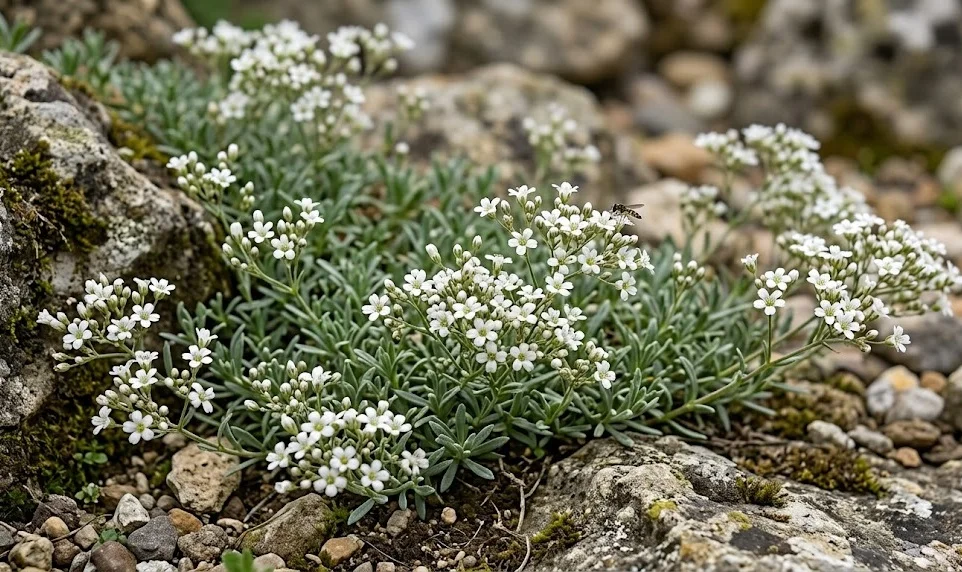
The creeping baby’s breath is most at home in rock gardens where its cascading habit can be fully appreciated. When placing the plant, it is important to consider the vertical elements of the landscape, such as stone walls or large boulders. Allowing the plant to spill over the edge of a raised bed creates a soft, natural look that contrasts beautifully with hard surfaces. The silver-green foliage and white or pink flowers provide a neutral backdrop that complements many other alpine species.
Pathways and stone walkways also provide excellent opportunities for incorporating this versatile groundcover. Because it can tolerate very light foot traffic once established, it is often planted in the crevices between flagstones. This not only adds visual interest to the hardscape but also helps to soften the transition between the garden and the path. The plant’s ability to thrive in poor, rocky soil makes it an ideal candidate for these challenging planting locations.
Companion planting is another professional strategy for creating a cohesive and healthy garden design. Species with similar cultural requirements, such as sedums, creeping phlox, or lavender, make excellent neighbors for baby’s breath. By grouping plants with the same light and water needs, the gardener can streamline the care process and ensure all plants thrive together. The different textures and colors of these companions can create a visually stunning tapestry throughout the growing season.
When designing a landscape, it is crucial to account for the eventual spread of the plant to avoid overcrowding. While it is a groundcover, it should still be given enough room to reach its full potential without being smothered by larger perennials. Strategic placement near the front of a border ensures that it receives maximum sun and remains a focal point for visitors. With thoughtful planning and consistent care, this plant becomes an indispensable part of a professional garden layout.