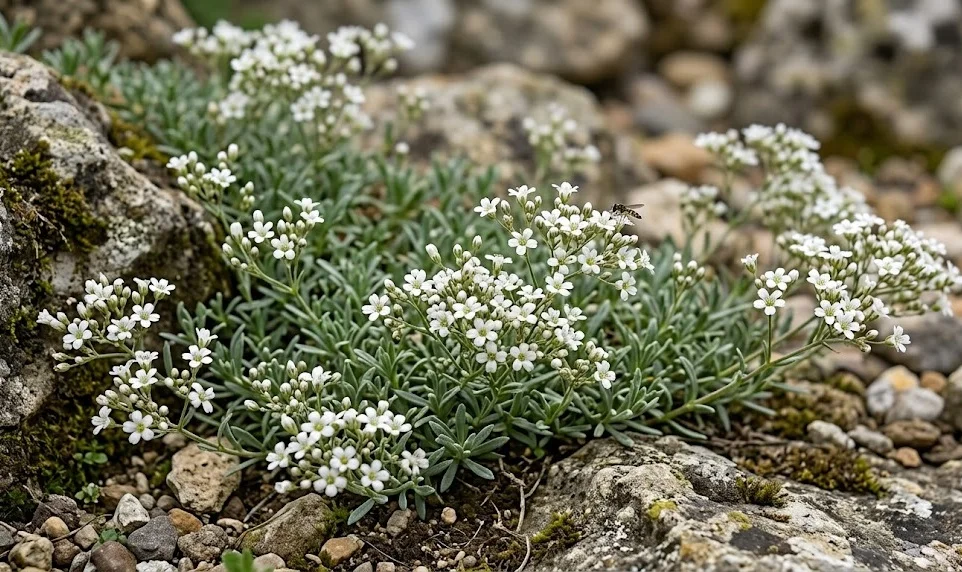

The successful establishment of a perennial groundcover begins with a meticulous planting process and an understanding of how to multiply your stock. Creeping baby’s breath is a rewarding plant to work with, offering several methods for expansion that cater to both patient seed-starters and those seeking immediate results. Whether you are starting a new rock garden from scratch or filling in gaps in an existing landscape, mastering these techniques is essential for a professional finish. This guide covers the critical steps needed to ensure your plants take root quickly and remain productive for years to come.
Before the first shovel hits the ground, selecting the perfect site is the most important decision a gardener can make. This species demands full sun and exceptional drainage, which are the non-negotiables for its long-term survival and floral performance. An ideal location would be a south-facing slope or a raised bed where water can naturally move away from the root zone. Testing the soil texture and pH before planting allows for any necessary adjustments to be made while the soil is still accessible.
The physical preparation of the planting site involves more than just digging a hole; it requires creating an environment conducive to rapid root development. Clearing the area of all perennial weeds and their roots is a vital first step to prevent future competition that can be hard to manage. Incorporating a bit of grit or crushed stone into the native soil will improve the structure and prevent the compaction that often plagues groundcovers. Once the site is prepared, the soil should be lightly firmed down to remove large air pockets that could dry out young roots.
When the time comes to actually place the plants in the ground, spacing is a key consideration for a professional aesthetic. For a continuous carpet effect, plants should be placed approximately 30 to 40 centimeters apart, allowing them room to grow without immediate overcrowding. The crown of the plant—the point where the stems meet the roots—must be set exactly at the soil level to prevent rot. After planting, a light watering helps settle the soil around the roots, ensuring good contact for nutrient and water uptake.
Sowing seeds and managing germination
Growing creeping baby’s breath from seed is a cost-effective way to produce a large number of plants for expansive groundcover projects. Seeds can be started indoors in late winter or sown directly into the garden once the danger of frost has passed in the spring. If starting indoors, use a well-draining seed-starting mix and barely cover the tiny seeds with a fine layer of vermiculite or grit. A consistent temperature of around 20 degrees Celsius is optimal for triggering the germination process within two to three weeks.
More articles on this topic
Managing moisture levels during the germination phase is a delicate balance that requires daily attention. The soil should remain consistently damp but never saturated, as excess water can cause the delicate seedlings to damp off. Using a fine mist sprayer is much safer than a traditional watering can, which might dislodge the seeds or pack the soil too tightly. Once the first true leaves appear, it is important to provide plenty of light to prevent the seedlings from becoming leggy and weak.
If sowing directly into the garden, the soil surface should be finely rahed to create a smooth seedbed for the tiny seeds. Broadcasting the seeds evenly across the area and then lightly pressing them into the soil ensures good contact without burying them too deeply. It is often helpful to mix the seeds with a bit of dry sand to see where they have been distributed more clearly. Outdoor sowings will rely on natural rainfall, but supplemental misting may be needed during dry spells to keep the surface moist.
Thinning out the seedlings is an essential step that many amateur gardeners overlook, but it is necessary for producing strong individual plants. If too many seeds germinate in one spot, they will compete for light and nutrients, resulting in a weak and spindly carpet. Once the seedlings are about five centimeters tall, remove the smaller ones to leave the strongest plants at the recommended spacing. This early selection process sets the foundation for a healthy and resilient adult plant population.
Dividing mature clumps for garden expansion
Division is one of the most reliable methods for propagating established creeping baby’s breath while simultaneously rejuvenating older plants. Over time, the center of a mat can become woody and less productive, and splitting the plant helps restore its youthful vigor. This procedure is best performed in the early spring just as the first signs of new growth begin to emerge from the crown. By dividing the plant at this stage, you take advantage of its natural surge in energy and the cooler, moister spring weather.
More articles on this topic
The process begins by carefully digging up the entire root ball, being mindful of the plant’s spread to minimize root damage. Once the plant is out of the ground, use a sharp garden knife or a spade to slice the clump into several smaller sections. Each new division must have a healthy portion of the root system and several active growth points to be successful. It is a good practice to discard the older, woody center portions of the original plant and keep only the vibrant outer sections.
Replanting the divisions should happen immediately to prevent the exposed roots from drying out in the air. Prepare the new planting holes ahead of time and follow the same depth guidelines used for new nursery plants. Water the newly transplanted sections thoroughly and monitor them closely for several weeks to ensure they are establishing well. Because these are already mature tissues, divisions will often bloom in their first season, providing a much faster result than growing from seed.
This method of propagation is not only practical but also ensures that the new plants are genetically identical to the parent. This is particularly important if you are growing a specific cultivar with a certain flower color or growth habit that you wish to maintain. Professional landscapers often use division as a routine part of garden maintenance to keep the entire display looking consistent and healthy. It is a simple yet powerful tool for any gardener looking to maximize their floral impact without additional cost.
Taking and rooting cuttings for professional results
Stem cuttings offer another effective way to propagate creeping baby’s breath, especially during the active growing season. This technique is ideal for producing new plants in the early summer after the first flush of growth has slightly hardened. Softwood cuttings should be taken from healthy, non-flowering shoots to ensure the plant’s energy is directed toward root formation rather than flower production. A cutting of about five to ten centimeters in length is generally sufficient for successful rooting.
To prepare the cutting, remove the leaves from the bottom half of the stem to expose the nodes where the roots will eventually form. Dipping the base of the stem into a rooting hormone can increase the success rate, although this species often roots well on its own. Insert the prepared stems into a tray filled with a sterile, well-draining medium such as a mix of perlite and peat moss. Firm the medium around the base of the cuttings to ensure there are no air pockets and that the stems are held securely.
Maintaining high humidity around the cuttings is crucial during the first few weeks before they have roots to draw up moisture. Placing a clear plastic dome over the tray or keeping them in a dedicated propagation bench will help prevent the foliage from wilting. The cuttings should be kept in a bright location but away from direct sunlight, which could overheat the small environment and cook the tender stems. Check the medium regularly and mist it as needed to keep it slightly damp but not soggy.
Roots usually begin to form within three to four weeks, at which point the plants can be gradually acclimated to lower humidity. Once a strong root system has developed, the new plants can be potted up into individual containers to grow on for a few more weeks. This transitional period allows them to build up enough strength to handle the more variable conditions of the open garden. Propagating by cuttings is an excellent way to create a large number of uniform plants that are perfect for filling in complex rock garden designs.