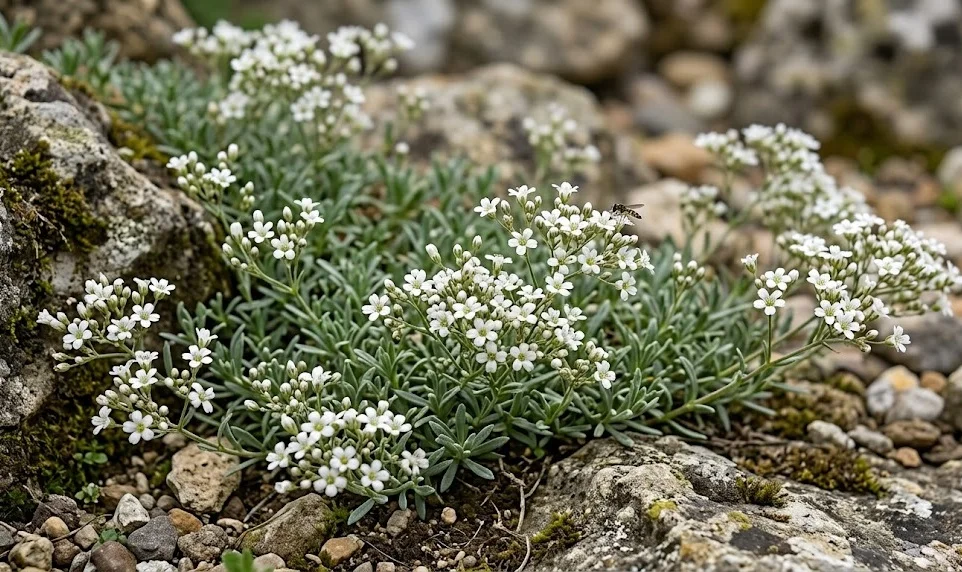

Strategic pruning is the most effective way to maintain the shape, health, and vigor of your groundcover perennials. Creeping baby’s breath responds exceptionally well to various types of trimming, whether you are tidying up after the flowers fade or rejuvenating an older, woody specimen. By following a structured pruning routine, you can ensure that your plants remain compact and productive year after year. This guide covers the professional techniques for cutting back your plants to achieve the best results in your garden.
The timing of your pruning interventions is just as important as the technique itself, as it must align with the plant’s natural growth cycle. Most pruning for this species occurs after the primary blooming period has concluded in mid-to-late summer. This helps the plant redirect its energy from seed production back into foliage growth and root development. A well-timed trim can also sometimes stimulate a second, lighter flush of flowers later in the season, extending the plant’s ornamental value.
Different goals require different pruning methods, ranging from light “deadheading” to more significant rejuvenation cuts. For a young, healthy plant, a light shearing is usually all that is needed to keep it looking its best. However, as the plant ages, it may develop a sparse, woody center that requires a more aggressive approach to restore its youthful appearance. Knowing when to be gentle and when to be bold is a skill that develops with experience and observation of the plant’s response.
A professional approach to pruning also includes using the right tools and maintaining high standards of garden hygiene. Sharp, clean snips or shears are essential for making clean cuts that heal quickly without inviting disease. Always remove the pruned material from the garden bed to prevent it from harborring pests or mold as it decomposes. With these fundamental principles in mind, let’s explore the detailed steps for pruning and cutting back your creeping baby’s breath.
Post-bloom deadheading for a tidy appearance
Deadheading is the process of removing spent flower stalks before they have a chance to develop seeds. For creeping baby’s breath, this is best done by shearing the entire top of the mat once the majority of the flowers have turned brown. You can use a pair of hedge shears or large floral snips to quickly trim off the top layer of old blossoms. This not only makes the plant look much neater but also prevents the plant from wasting energy on seed production.
More articles on this topic
When deadheading, the goal is to cut back just into the fresh green foliage, removing about one-third of the total height of the plant. This stimulates the dormant buds along the stems to break, resulting in a denser and more compact mat of leaves. In many cases, this fresh growth is so vigorous that it provides a beautiful silver-green carpet for the remainder of the summer. If you are lucky and the weather is favorable, some of these new shoots may even produce a small secondary bloom in late summer.
Leaving the spent flowers on the plant can lead to a messy, “dried out” appearance that detracts from the beauty of the rock garden. Furthermore, allowing the plant to set seed can result in unwanted seedlings popping up in other parts of the garden. While some gardeners enjoy this natural self-sowing, it can be problematic in a highly managed or formal landscape design. Regular deadheading gives you complete control over the plant’s reproduction and its aesthetic impact on the garden.
Another benefit of post-bloom pruning is that it improves air circulation through the center of the plant. By removing the dense, drying flower stalks, you allow more light and air to reach the lower leaves and the crown. This is one of the most effective ways to prevent the interior of the mat from becoming a haven for mold or spider mites during the humid dog days of summer. A simple ten-minute shearing can significantly improve the long-term health and resilience of your baby’s breath.
Rejuvenation pruning for older and woody plants
As creeping baby’s breath matures, it naturally begins to develop thicker, woodier stems near the center of the plant. Over several years, this can lead to a “doughnut” effect, where the center of the mat is bare or sparse while the outer edges remain green. Rejuvenation pruning is a more aggressive technique used to restore the density and vigor of these older specimens. This is best performed in the early spring as the plant is just waking up, or in the early summer after the first bloom.
More articles on this topic
To rejuvenate a woody plant, you will need to cut back the stems much harder than you would during a standard deadheading. Using sharp bypass pruners, selectively remove the oldest, most brittle stems right back to the crown or to a point where you see fresh, green buds. You can often remove up to half of the total mass of an older plant without causing permanent damage. While the plant may look a bit sparse for a few weeks, it will quickly respond with a flush of healthy new growth from the base.
It is important not to cut back into the “dead wood” where no buds are visible, as these stems may not be able to regenerate new growth. Always look for the tiny green “eyes” or small leaves along the stem before making your cut. If the entire center of the plant is truly dead and woody, it may be better to divide the plant and replant the healthy outer sections instead. Rejuvenation pruning is a powerful tool, but it works best when the plant still has some internal vitality to draw upon.
After a heavy rejuvenation pruning, the plant will benefit from a bit of extra attention to help it recover. Ensure it stays well-watered (but not soggy) and consider a very light application of balanced fertilizer to support the new growth. Providing a fresh top-dressing of gravel around the newly exposed crown can also help protect the plant from heat and moisture stress. With proper care, an old, tired plant can be transformed back into a vibrant focal point of the rock garden in a single season.
Maintaining shape and density in groundcovers
Maintaining the desired shape of your creeping baby’s breath is an ongoing process that involves light, directional pruning throughout the year. Because it is a groundcover, the plant will naturally expand in all directions, sometimes encroaching on paths or neighboring plants. You can easily manage this by simply trimming back the leading edges of the mat whenever they move beyond their allotted space. This directional pruning helps you maintain the “flow” of your garden design and prevents any one plant from becoming dominant.
To encourage maximum density, you can also use a technique called “pinching” on young or fast-growing plants. This involves removing the very tips of the growing stems with your fingers or a small pair of snips. Pinching interrupts the plant’s apical dominance, forcing it to branch out horizontally rather than just growing longer. When done early in the spring, this results in a much thicker and more robust mat of foliage that will eventually produce a more impressive floral display.
Regular inspection of the plant’s interior is also a part of professional shape management. If you notice any stems that are growing upright rather than creeping along the ground, they should be removed or trimmed back. These “rogue” stems can break the uniform appearance of the carpet and may eventually shade out the lower growth. Keeping the plant low to the ground is essential for its health, as it allows the foliage to benefit from the heat reflected by the stones or soil.
Finally, remember that pruning is a way to communicate with your plants and guide their development over time. By being consistent with your maintenance, you reduce the need for drastic, stressful interventions later on. A well-pruned creeping baby’s breath is not only more beautiful but also more resistant to the challenges of weather, pests, and disease. With a sharp set of tools and a keen eye for detail, you can master the art of pruning to create a professional-grade perennial display.