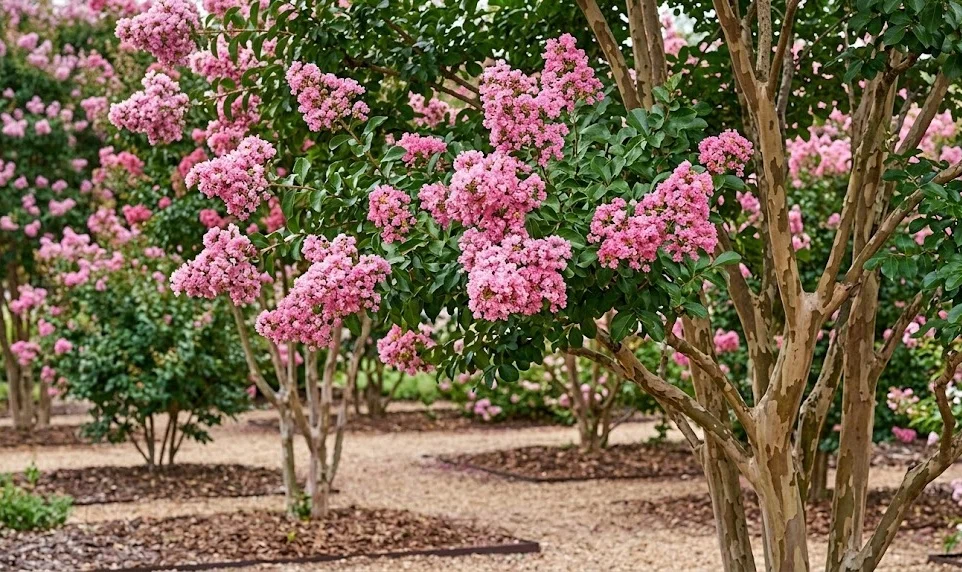

The relationship between sunlight and the performance of these ornamental trees is one of the most important factors for any gardener to understand. Light is the primary energy source that drives growth, influences leaf color, and, most importantly, determines the intensity of the summer bloom. A professional landscape design always takes into account the movement of the sun to ensure the tree is positioned for maximum success. Providing the right amount of light is the simplest way to ensure your tree remains healthy and visually spectacular year after year.
To achieve the best results, these plants should be located in a spot that receives full sun for at least six to eight hours every day. This direct exposure to the sun’s rays provides the energy necessary for the tree to produce its hallmark abundance of flowers. Without sufficient light, you will likely notice that the growth becomes leggy and the flower clusters are much smaller or less vibrant. In many cases, a tree planted in too much shade may fail to bloom entirely, even if it appears to be otherwise healthy.
Heat is often a byproduct of intense sunlight, and these trees are known for their love of high summer temperatures. The combination of direct light and warm air stimulates the metabolic processes that lead to the development of strong, woody stems and lush foliage. Positioning the tree against a south-facing wall or in a paved courtyard can provide extra reflected heat that many varieties find highly beneficial. This extra warmth can be especially helpful in regions with shorter summers where every bit of heat counts for the blooming cycle.
Observation of the light patterns in your garden throughout the different seasons will help you find the perfect permanent home for your tree. Keep in mind that the angle of the sun changes as the year progresses, and a spot that is sunny in the summer might be shaded in the spring or autumn. You should also consider the growth of nearby trees or buildings that might cast long shadows over your planting site as they change or grow. A professional gardener thinks about the light environment not just for today, but for the next decade of the tree’s life.
Effects of shade and low light conditions
When a tree is forced to grow in a shady location, its overall structure and health will eventually begin to suffer from the lack of energy. You might see the branches stretching out toward the nearest source of light, resulting in an asymmetrical and weak-looking canopy. The leaves may also become larger and thinner as they try to maximize their surface area to catch whatever light is available. These physiological changes make the tree more susceptible to being damaged by wind or the weight of heavy summer rain.
More articles on this topic
Fungal diseases like powdery mildew are much more common on trees that do not receive enough direct sunlight to dry the foliage quickly. Shade often creates a microclimate with higher humidity and less air movement, which are the ideal conditions for fungal spores to germinate. By moving the tree to a sunnier spot or thinning out the surrounding vegetation, you can significantly reduce these disease pressures. Sunlight acts as a natural disinfectant that helps to keep the surface of the leaves and bark clean and healthy.
The vibrant autumn colors that many people appreciate are also heavily influenced by the amount of light the tree received during the growing season. Trees in full sun tend to produce much more brilliant shades of red, orange, and gold as the chlorophyll breaks down in the autumn. In contrast, those grown in the shade may simply turn a dull yellow or brown before the leaves drop off for the winter. The visual interest of the tree throughout the entire year is closely tied to its access to quality sunlight.
If you find that your tree is currently in too much shade, you may need to consider some corrective actions to improve its environment. Pruning back the overhanging branches of nearby larger trees can often let in enough light to make a significant difference in the plant’s performance. In extreme cases, the best professional decision might be to transplant the tree to a sunnier location where it can truly thrive. It is always better to address a light deficiency early before the tree becomes too large and established to move easily.
Maximizing afternoon heat and exposure
The afternoon sun is typically much more intense and provides more heat than the morning light, making it a critical factor for summer-blooming species. Many professional gardeners prefer to place these trees in locations where they receive maximum exposure during the hottest part of the day. This late-day heat is what often triggers the final swell of the flower buds and ensures a long and successful blooming period. Strategic placement in the landscape can turn a mediocre specimen into the star of the entire garden.
More articles on this topic
Western and southern exposures are generally the best options for achieving the high levels of light and heat that these plants prefer. These areas of the garden tend to stay warmer into the evening, providing a consistent thermal environment that supports active growth. You should avoid planting the tree in a spot that is blocked by the shadow of the house or large evergreen trees during the mid-afternoon. A clear path for the sun’s rays is the most important requirement for a healthy and productive ornamental tree.
In cooler climates, you can use hardscaping elements like stone walls or brick patios to capture and radiate heat back toward the tree. These materials absorb energy during the day and slowly release it as the air cools down, creating a warmer microclimate for the plant. This technique can effectively extend the growing season and help the tree reach its full potential even in less-than-ideal latitudes. It is a subtle but highly effective way to manipulate the environment for better horticultural results.
Finally, you should remember that while these trees love the sun, they still need adequate water to handle the heat that comes with it. The more light a tree receives, the faster it will lose moisture through its leaves via the process of transpiration. You must ensure that your irrigation routine is balanced with the light levels to prevent the tree from becoming stressed by dehydration. A well-hydrated tree in a sunny location is a powerhouse of growth and beauty that will define your landscape for years.