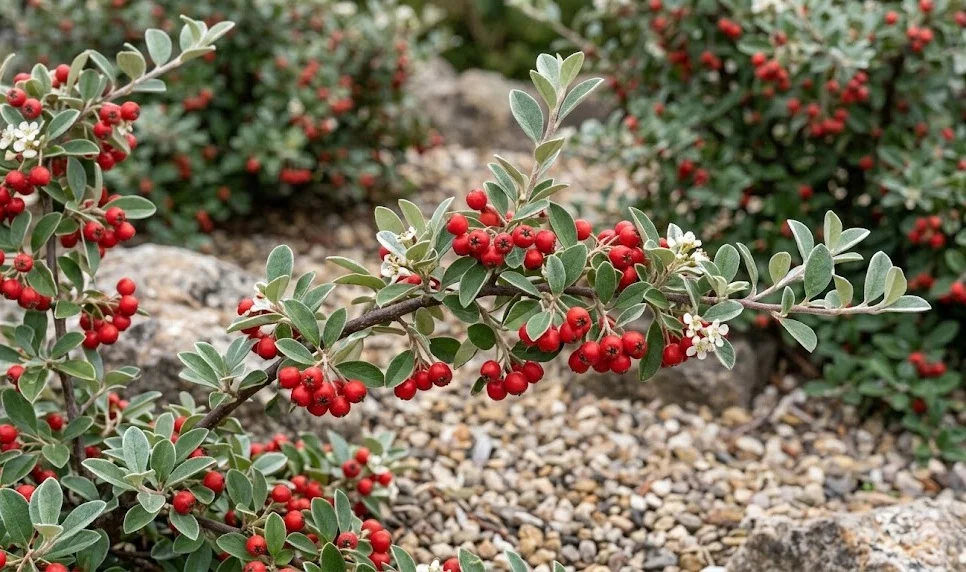

Proper hydration is the cornerstone of plant health, especially for an evergreen shrub like the bright-beaded cotoneaster. While these plants are known for their drought tolerance once established, they still require a consistent supply of water to thrive and produce fruit. An efficient schedule should be based on the specific environmental conditions and the developmental stage of the plant. Understanding the balance between sufficient moisture and over-saturation is key to successful long-term care.
During the first growing season, the primary goal is to ensure the soil around the root ball stays consistently moist. You should check the moisture levels at least twice a week by inserting a finger a few inches into the soil. If the earth feels dry at that depth, it is time to provide a deep, slow soaking. This method encourages the roots to grow deeper into the ground in search of moisture, making the plant more resilient.
As the shrub matures, its dependence on regular supplemental watering decreases significantly. Mature specimens generally only need extra help during prolonged dry spells or periods of extreme summer heat. You should aim to water early in the morning or late in the evening to minimize evaporation from the sun and wind. Applying water directly to the base of the plant rather than over the foliage helps prevent the spread of fungal spores.
The type of soil in your garden will also influence how often you need to bring out the hose. Sandy soils drain quickly and may require more frequent attention, whereas clay-heavy soils retain moisture for much longer. Professional gardeners often use drip irrigation systems to deliver precise amounts of water exactly where it is needed. This targeted approach is not only better for the plant but also more sustainable for the environment.
Recognizing signs of moisture stress
Learning to read the visual cues of your plants is a skill that develops with time and careful observation. When a cotoneaster is suffering from a lack of water, the leaves may lose their characteristic gloss and appear slightly dull. In more severe cases, the foliage might begin to droop or turn a subtle shade of brown at the tips. Recognizing these early warning signs allows you to intervene before the health of the shrub is seriously compromised.
More articles on this topic
Overwatering can be just as damaging as drought, and the symptoms are often surprisingly similar. If the soil remains waterlogged for too long, the roots begin to suffocate and may start to rot, preventing them from taking up any water at all. You might see the leaves turning yellow and falling off even while the soil is still wet to the touch. A sour or musty smell coming from the earth near the base of the plant is another clear indicator of poor drainage.
Environmental factors like high winds or intense reflected heat can also cause moisture stress even if the soil is damp. In these situations, the plant is losing water through its leaves faster than the roots can replace it. You can help the shrub by providing temporary shade or using windbreaks to reduce the rate of transpiration. Understanding that moisture stress is not always about the amount of water in the soil is an important distinction for any gardener.
Consistent monitoring is especially important during transitional seasons when weather patterns can be unpredictable. A sudden heatwave in late spring can catch a plant off guard before it has fully adjusted to the warmer temperatures. By staying attuned to the appearance and texture of the foliage, you can adjust your care routine in real-time. This proactive approach ensures that the shrub remains vigorous and capable of resisting other stresses like pests or disease.
Nutrient requirements for optimal health
A healthy shrub requires a balanced intake of macro and micronutrients to support its various biological functions. Nitrogen is essential for the development of lush, green foliage and strong stem growth during the spring. Phosphorus plays a critical role in root establishment and the production of the flowers that precede the berries. Potassium helps regulate the plant’s internal water balance and improves its overall resistance to environmental stress and disease.
More articles on this topic
While these primary nutrients are vital, the plant also needs smaller amounts of minerals like iron, magnesium, and calcium. A deficiency in any of these can lead to visible problems, such as pale leaves or stunted growth. Most well-maintained garden soils contain many of these elements, but they can become depleted over several years of growth. Regularly adding organic matter to the soil is one of the best ways to ensure a steady supply of these trace minerals.
The timing of nutrient application is just as important as the type of nutrients being provided to the shrub. The period of active growth in early spring is the most effective time to provide a boost to the soil. This ensures that the plant has everything it needs as it begins its most energetic phase of the year. Avoid feeding late in the autumn, as this can encourage new growth that won’t have time to harden off before the first frost.
Professional arborists often recommend a “slow and steady” approach to nutrition rather than frequent heavy applications. Organic fertilizers and compost provide a gradual release of nutrients that is more in line with the plant’s natural rhythm. This method also protects the beneficial soil organisms that help maintain the overall health of the garden ecosystem. By focusing on long-term soil fertility, you create a sustainable environment where the cotoneaster can truly flourish.
Choosing the right fertilizers and amendments
When selecting a fertilizer, it is helpful to look for a balanced, all-purpose formula designed for woody shrubs and trees. Products with an NPK ratio like 10-10-10 or similar are generally suitable for maintaining healthy growth. You can choose between granular forms that are spread on the surface or liquid concentrates that are mixed with water. Each has its advantages depending on the size of your garden and the specific needs of your plants.
Granular fertilizers are popular because they are easy to apply and provide a sustained release of nutrients over several weeks. You should scatter the granules evenly around the drip line of the shrub, which is the area directly beneath the outermost branches. Be sure to water the area thoroughly after application to help the nutrients move down into the root zone. Avoid letting the fertilizer come into direct contact with the trunk to prevent chemical burns on the bark.
Liquid fertilizers offer a more immediate boost and are excellent for addressing specific nutrient deficiencies quickly. They are often applied through a watering can or a specialized hose-end sprayer for larger areas. While effective, the results are shorter-lived compared to granular options, requiring more frequent applications during the growing season. Many gardeners find that a combination of both methods works best for their specific landscape goals.
In addition to traditional fertilizers, soil amendments like composted manure or leaf mold can significantly improve soil structure. These materials add bulk to the soil, improving its ability to hold both water and air for the roots. Well-rotted organic matter also introduces beneficial fungi and bacteria that assist with nutrient cycling. Using a mix of targeted fertilization and natural amendments creates a robust and self-sustaining soil environment.
Long-term soil fertility management
Building and maintaining soil fertility is a continuous process that rewards the gardener with healthier and more beautiful plants. You should make it a habit to add a fresh layer of organic mulch every year to the area around the shrub. This not only protects the roots but also slowly breaks down to return vital nutrients to the earth. It mimics the natural forest floor environment where plants have evolved to thrive over millions of years.
Conducting a professional soil test every three to five years provides valuable data on the actual nutrient levels in your garden. This prevents the common mistake of over-fertilizing with elements that are already present in sufficient quantities. High levels of certain nutrients can actually interfere with the plant’s ability to absorb others, leading to complex imbalances. Scientific testing takes the guesswork out of your maintenance routine and saves both time and money.
Encouraging the presence of earthworms and other beneficial soil dwellers is a sign of a healthy garden. These creatures tunnel through the earth, naturally aerating the soil and breaking down organic matter into easily accessible nutrients. Avoiding excessive tilling or the use of broad-spectrum soil drenches helps preserve these vital subterranean communities. A living soil is a dynamic system that supports the shrub far better than any chemical substitute could.
Finally, observing the overall vigor of your cotoneaster over several seasons is the best way to judge your fertility management. If the shrub is growing steadily and producing a bounty of berries every year, you are likely on the right track. If growth seems stagnant or the plant appears weak, it may be time to reassess your fertilization strategy. Consistency and observation are the most powerful tools in any expert gardener’s repertoire for managing plant health.