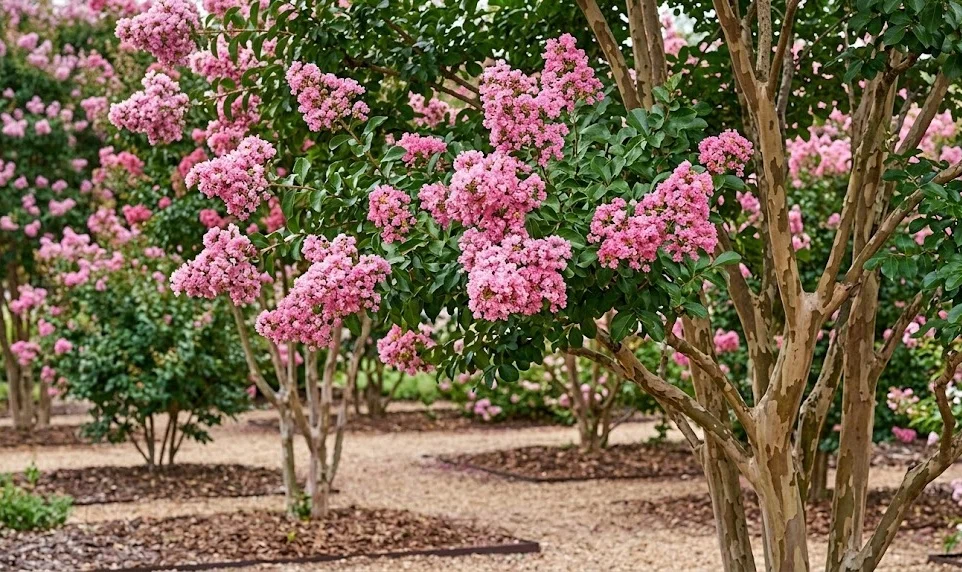

Proper hydration and balanced nutrition are the twin pillars that support the health and vigor of your ornamental landscape trees. While these plants are known for their ability to withstand challenging conditions, they truly thrive when their specific needs are met consistently. Developing a thoughtful approach to irrigation and fertilization will result in faster growth and a more impressive display of summer flowers. Understanding how these two factors interact is essential for any professional gardener aiming for the highest quality results.
The water requirements of a young tree are significantly different from those of a specimen that has been in the ground for years. Newly planted trees need frequent, deep watering to help their root systems expand into the surrounding native soil of the garden. You should check the soil moisture levels near the root ball several times a week during the first two growing seasons. Maintaining a consistent level of moisture prevents the young plant from experiencing stress that could stunt its overall development.
As the tree matures and its root system becomes more extensive, it gains a much greater degree of natural drought tolerance. Established plants generally only require supplemental watering during periods of extreme heat or extended dry spells in the summer. You should aim to water deeply and less frequently to encourage the roots to grow further down into the earth. Deep roots provide better stability and access to moisture that stays trapped in the lower layers of the soil.
Observation is your best tool for determining when your tree actually needs a drink from the hose or irrigation system. If the leaves begin to droop slightly or lose their vibrant green luster, it is often a sign that the plant is thirsty. You should try to apply water early in the morning so the foliage has time to dry before the sun gets too hot. Avoid frequent, light sprinkling as this only wets the surface and encourages a weak, shallow root system to develop.
Seasonal irrigation strategies
During the spring months, the natural rainfall is often sufficient to support the emerging new growth as the tree wakes up. However, if the spring is unusually dry, you should provide some extra water to ensure the growth is not interrupted. This early season moisture is critical for building the structure that will eventually carry the heavy clusters of summer flowers. Keep an eye on the weather forecast and adjust your garden maintenance routine according to the local conditions.
More articles on this topic
The heat of mid-summer brings the greatest demand for water as the tree loses moisture rapidly through its large canopy of leaves. This is the time when deep soaking is most beneficial, especially if the temperatures remain high for several days in a row. You should apply the water directly to the soil surface around the drip line of the tree rather than on the trunk. This ensures the most active part of the root system receives the hydration it needs to sustain the blooming process.
In the autumn, you should begin to reduce the frequency of watering as the days shorten and the temperatures start to cool down. Allowing the soil to dry out a bit more between waterings helps the tree prepare for its upcoming winter dormancy period. This reduction in moisture signals to the plant that it is time to stop producing new growth and start hardening its wood. Proper autumn management is a key factor in ensuring the tree survives the winter without significant damage.
Winter watering is often overlooked but can be important in regions where the ground does not freeze deeply for long periods. If the winter is exceptionally dry and windy, the roots can still lose moisture even while the rest of the plant is dormant. You might need to provide a deep soaking once a month during a warm spell to prevent the root system from desiccating. This practice is especially helpful for young trees or those planted in very sandy, fast-draining soils.
Understanding nutrient requirements
Fertilization should be based on a clear understanding of what your soil is lacking and what the plant actually needs to grow. Most professional gardeners recommend using a balanced, slow-release fertilizer that provides a steady supply of nutrients over several months. Look for a product that contains an equal ratio of nitrogen, phosphorus, and potassium, often labeled as 10-10-10 or 12-12-12. This balanced approach supports overall health without forcing the plant into unbalanced or weak growth patterns.
More articles on this topic
Nitrogen is the element responsible for the lush, green foliage and the vigorous extension of new stems during the spring. While it is important, you must be careful not to apply too much, as excessive nitrogen can actually inhibit flower production. If you notice a lot of leaves but very few flower buds, you might be over-fertilizing with this particular nutrient. A healthy balance ensures that the tree has enough energy for both its leaves and its beautiful summer blossoms.
Phosphorus and potassium play critical roles in the development of strong roots, disease resistance, and high-quality flower clusters. Phosphorus is especially linked to the reproductive phase of the plant, helping it to create the many buds that make it so popular. Potassium helps with the internal water management of the tree and its ability to withstand environmental stressors like heat and cold. Including these elements in your fertilization plan contributes to the long-term structural integrity of the specimen.
Micronutrients like iron, magnesium, and manganese are also needed in much smaller quantities for the tree to function at its best. If your soil is very alkaline, the tree might struggle to absorb enough iron, leading to yellow leaves with green veins. You can apply chelated iron or other specialized micronutrient supplements to correct these specific deficiencies if they appear. Regular soil testing every few years is the most professional way to keep track of these subtle nutrient levels.
Application timing and techniques
The best time to apply fertilizer is in the early spring just as the first new growth begins to appear on the branches. This timing ensures that the nutrients are available to the plant during its most active period of expansion and leaf development. You should avoid fertilizing late in the summer or in the autumn, as this can encourage tender new growth. This late growth will not have enough time to harden off before the winter frost arrives, leading to avoidable damage.
When applying granular fertilizer, you should spread it evenly over the entire area under the canopy and slightly beyond the drip line. Avoid piling the fertilizer against the trunk of the tree, as the concentrated salts can cause chemical burns to the bark. Scratch the granules lightly into the surface of the soil or mulch to ensure they make good contact with the ground. Always water the area thoroughly after fertilizing to help the nutrients move down into the root zone where they can be absorbed.
Liquid fertilizers or foliar feeds can be used for a quick boost if the plant is showing signs of immediate nutrient stress. These products are absorbed through the leaves or the roots much faster than granular types, providing a rapid response. However, the effects are usually short-lived, so they should be seen as a supplement rather than a replacement for long-term soil feeding. Professional gardeners often use them to correct minor issues during the peak of the growing season.
Mulching with organic matter like compost or well-rotted manure is a natural way to provide a slow and steady supply of nutrients. As the organic material breaks down over time, it releases minerals into the soil and improves the overall soil structure. This method also encourages beneficial microbial activity in the root zone, which helps the tree absorb nutrients more efficiently. Combining organic mulching with traditional fertilization creates a comprehensive and highly effective nutrition program for your garden.
Soil testing and adjustments
Conducting a professional soil test is the only way to know exactly what is happening beneath the surface of your garden. A test will reveal the current levels of major nutrients as well as the pH of the soil, which affects nutrient availability. You should take several small samples from around the root zone and send them to a lab for a detailed analysis. This information allows you to tailor your fertilization and watering routine to the specific needs of your unique site.
If the soil test shows that the pH is outside the ideal range, you may need to take steps to adjust it gradually over time. To lower the pH of alkaline soil, you can incorporate elemental sulfur or use acidifying fertilizers that contain ammonium sulfate. If the soil is too acidic, applying agricultural lime can help bring the pH back into a more neutral and healthy range. These adjustments take time to work, so you should monitor the soil every year to track your progress.
Organic matter content is another important factor that influences how well your soil can hold onto water and added nutrients. If your soil is very sandy, the water and fertilizers will leach away quickly before the tree can use them effectively. Adding plenty of compost or peat moss can help increase the “cation exchange capacity” and water-holding ability of the soil. This improvement makes your watering and fertilizing efforts much more efficient and reduces the amount of wasted resources.
Professional gardeners understand that healthy plants begin with healthy soil, so they prioritize soil management above all else. By maintaining a good soil structure and balanced nutrient levels, you make the tree more resilient to pests and diseases. A well-fed and hydrated tree will always be the highlight of the landscape, providing beauty and shade for many years to come. Investing time in the soil is the best way to ensure the long-term success of your Chinese crapemyrtle.