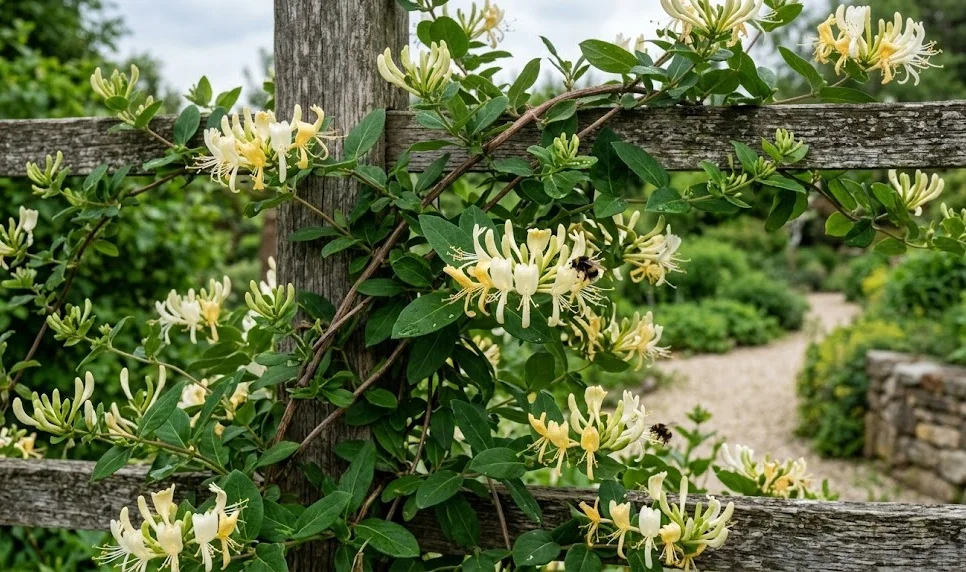

Maintaining the structure and health of a vigorous climber like the Italian woodbine requires a consistent and professional approach to pruning. Without regular intervention, the vine can quickly become an unmanageable tangle of dead and living wood, reducing its aesthetic appeal and flowering potential. Pruning is not just about controlling size; it is a vital horticultural practice that stimulates new growth and improves air circulation. Mastering the timing and technique of cutting back is the key to a long-lived and beautiful garden feature.
The primary pruning session should ideally take place in the late winter or very early spring, while the plant is still dormant. This timing allows you to clearly see the structure of the vine without the interference of foliage, making it easier to identify which stems should be removed. Pruning during this period also ensures that the plant has plenty of time to recover before the energy-intensive growing season begins. A professional gardener always prepares their tools and their plan before the first buds start to swell.
One of the most important rules of pruning this species is to understand that it flowers on the current season’s growth. This means that even a relatively hard pruning in the early spring will not prevent the plant from blooming later in the summer. In fact, cutting back the previous year’s stems often encourages the production of more vigorous flowering shoots. This knowledge gives you the confidence to be more assertive with your cuts, knowing that the plant will respond with renewed energy.
In addition to the main annual prune, light maintenance can be performed throughout the growing season to keep the vine tidy. This might involve removing spent flowers to prevent seed production or thinning out any shoots that are growing in the wrong direction. These minor corrections prevent the plant from becoming too dense and help maintain the desired shape of the trellis or support. A professional approach involves constant, small adjustments rather than infrequent, drastic changes.
Mastering basic pruning techniques
The first step in any pruning task is to remove the “three Ds”: dead, damaged, and diseased wood. These stems provide no benefit to the plant and can serve as an entry point for pests and pathogens. Cut these back to a healthy bud or all the way to the main trunk if necessary. This simple step immediately improves the overall health and appearance of the vine, allowing it to focus its resources on more productive growth.
More articles on this topic
When making a cut, always aim for a point about half a centimeter above a healthy, outward-facing bud. The cut should be angled slightly so that rainwater runs away from the bud rather than sitting on it and causing rot. Using sharp, clean bypass pruners ensures a clean wound that the plant can heal quickly and efficiently. Dull tools can crush the stem, leading to dieback and increasing the risk of infection.
If the vine has become excessively woody and bare at the base, you can use a technique called “renewal pruning.” This involves cutting back a few of the oldest, thickest stems all the way to the ground each year. This stimulates the plant to produce new, flexible shoots from the base, gradually rejuvenating the entire specimen over several years. This professional method prevents the vine from becoming top-heavy and unsightly as it ages.
Thinning out the center of the plant is also essential for maintaining good air circulation and light penetration. You should remove any stems that are crossing over each other or growing inward toward the support structure. This “opening up” of the vine reduces the risk of fungal diseases and ensures that the inner foliage remains healthy. A well-pruned vine should have a balanced, open structure that looks beautiful even when it is not in full leaf.
Advanced structural management
For vines that are growing over large structures like pergolas or arches, structural pruning is necessary to maintain the balance and safety of the installation. This involves selecting a few main “scaffold” branches and training them to follow the lines of the structure. All other side shoots are then pruned back to these main stems each year, creating a tidy and professional appearance. This method allows you to enjoy the benefits of a large climber without it taking over the entire garden.
More articles on this topic
If the plant has grown far beyond its designated space, a more drastic “rejuvenation prune” may be required. This involves cutting the entire plant back to within thirty to sixty centimeters of the ground in the late winter. While this will delay flowering for a season, it is often the only way to fix a severely overgrown or neglected specimen. Most healthy Italian woodbines will respond to this treatment with a flush of vigorous new growth that can be correctly trained from the start.
Managing the height of the vine is also a common task, especially if it is growing near windows or gutters. You can easily control the vertical reach by cutting back the leading shoots once they have reached the desired height. This encourages the plant to put more energy into lateral growth, resulting in a fuller and more lush appearance at the lower levels. Professional gardeners often use this technique to create a “living wall” effect on fences and boundaries.
Finally, always step back and look at the entire plant from a distance several times during the pruning process. This allows you to evaluate the overall shape and symmetry of the vine and make any necessary adjustments. Pruning is as much an art as it is a science, requiring a keen eye for form and balance. By following these professional guidelines, you can ensure that your Italian woodbine remains a stunning and healthy centerpiece in your garden.