
Taking care of this ornamental beauty requires a deep understanding of its natural rhythm and environmental needs throughout the changing seasons. Proper management ensures that the plant remains healthy and produces a vibrant display of flowers that lasts for several months during the summer. Gardeners often appreciate the species for its resilience, yet they must remain vigilant regarding specific maintenance requirements to achieve the best results. Every action taken in the garden impacts the longevity and aesthetic appeal of this remarkable flowering tree.
Understanding the specific microclimate of your garden is the first step toward successful long-term cultivation. These trees thrive in areas where the air circulation is consistent, reducing the risk of common foliage issues. You should observe how the wind moves through your landscape to find the most protected yet airy spot. A well-chosen location will significantly decrease the amount of intervention needed as the plant matures.
Regular observation is a key component of expert care that many hobbyists sometimes overlook. You should inspect the leaves and stems at least once a week during the active growing season for any signs of stress. Early detection of changes in leaf color or texture can prevent larger problems from developing later in the year. A proactive approach is always more effective than trying to fix a severely weakened specimen.
Establishing a routine for cleaning the area around the base of the plant helps maintain a healthy environment. Removing fallen leaves and spent flowers prevents the buildup of organic matter that might harbor unwanted pathogens. This simple task also allows you to keep an eye on the soil surface and root flare. Clean surroundings contribute to the overall professional appearance of your home landscape or garden.
Soil management and drainage
Providing the correct soil structure is essential for the root system to expand and support the canopy. These plants prefer a medium that is rich in organic matter but allows excess water to move away quickly. Heavy clay soils can be problematic because they trap moisture and limit the oxygen available to the roots. You may need to incorporate compost or well-rotted manure to improve the soil texture before planting.
More articles on this topic
Testing the acidity of your soil can provide valuable insights into the health of your ornamental trees. A slightly acidic to neutral pH range is generally considered ideal for optimal nutrient uptake and growth. If the soil is too alkaline, you might notice a yellowing of the leaves, known as iron chlorosis. Adjusting the pH with elemental sulfur or peat moss can help correct these imbalances over time.
Mulching is a professional technique that provides multiple benefits for the root zone throughout the entire year. A layer of organic mulch helps to regulate soil temperature and retain necessary moisture during hot summer weeks. It also acts as a barrier against weeds that would otherwise compete with the tree for vital resources. Use high-quality wood chips or shredded bark to create a clean and functional finish.
Drainage is perhaps the most critical factor when considering the long-term survival of your specimens. If the roots sit in standing water for extended periods, they will likely succumb to rot and fungal infections. You can test the drainage by digging a hole and observing how quickly water disappears from the site. If the water remains for hours, you should consider planting in a raised bed or improving the subsoil.
Seasonal maintenance cycles
Spring marks the beginning of the most active phase when the tree wakes up from its winter dormancy. This is the time to apply a balanced fertilizer to support the upcoming burst of new green growth. You should also check for any winter damage on the branches and remove dead wood to keep the plant tidy. Careful monitoring during these weeks ensures that the plant starts the season with maximum vigor.
More articles on this topic
As summer approaches, the focus shifts toward maintaining hydration and supporting the intense blooming process. You will notice that the flower buds begin to swell as the temperatures rise and the days get longer. Keeping the plant well-watered during dry spells is essential for a long-lasting and colorful floral display. This is also the period when you should enjoy the visual rewards of your hard work.
Autumn is a transition period where the plant begins to prepare for the cold months ahead. The foliage often turns brilliant shades of orange and red, providing a final show of color in the garden. You should reduce supplemental watering gradually to encourage the wood to harden off properly before the first frost. Avoid applying nitrogen-rich fertilizers late in the season, as this can stimulate tender growth that is susceptible to freezing.
Winter is the time for structural assessment and major pruning tasks while the plant is completely dormant. With the leaves gone, the skeleton of the tree is fully visible, allowing for precise shaping and thinning. This is the best window to address any crossing branches or structural weaknesses without stressing the living tissues. Protecting the base of young plants from extreme cold is also a priority during the peak of winter.
Enhancing flower production
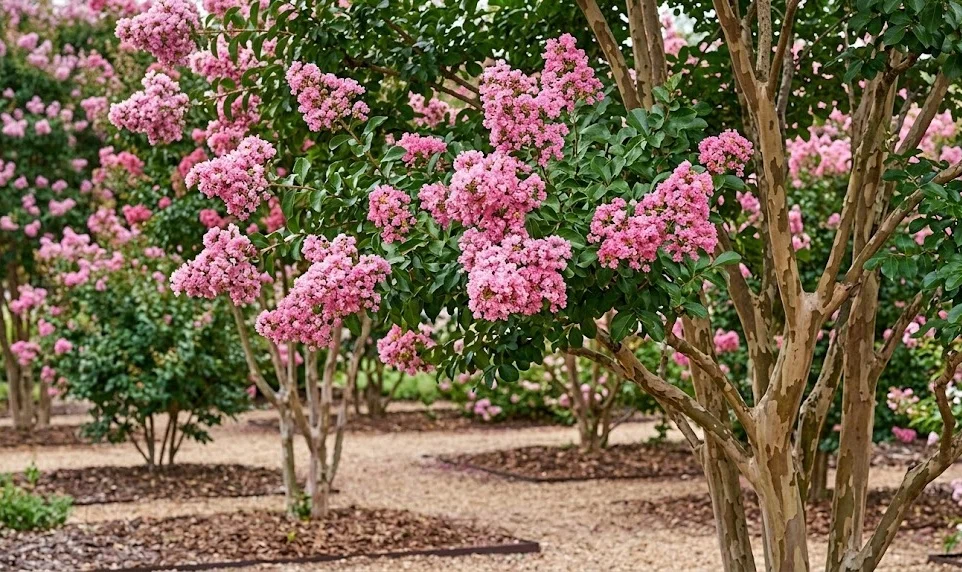
The abundance of blooms is often the primary reason why gardeners choose to plant this specific variety. To maximize the flowering potential, you must ensure the plant receives a significant amount of direct sunlight every day. Heat is a major driver of blossom development, so placing the tree in a warm spot is highly beneficial. Without enough light and heat, the flower clusters may be small or fail to open entirely.
Deadheading, or the removal of spent flower clusters, can sometimes encourage a second smaller flush of blooms. By cutting back the faded panicles, you prevent the plant from putting energy into seed production. This technique keeps the tree looking neat and extends the period of visual interest in the landscape. It is a simple way to manipulate the natural cycle for better aesthetic results.
Balanced nutrition plays a supportive role in how many flowers the tree can actually sustain. Phosphorus is particularly important for the development of healthy buds and strong, vibrant flower colors. However, you must be careful not to over-fertilize with nitrogen, as this leads to excessive foliage at the expense of blooms. A professional gardener learns to find the perfect balance through experience and soil observation.
The age of the wood also influences where the flowers will appear on the branches of the tree. Blossoms typically form on the current season’s growth, which is why late winter pruning is so effective. By stimulating new shoots in the spring, you are essentially creating more sites for future flowers to grow. Understanding this biological trait allows you to shape the plant while still ensuring a heavy bloom.
Maintaining bark and trunk health
One of the most striking features of a mature specimen is its smooth, exfoliating bark that reveals different colors. As the tree grows, the older outer layer peels away to show shades of cinnamon, gray, or cream underneath. You should avoid damaging this sensitive surface with lawnmowers or string trimmers during garden maintenance. Preserving the integrity of the bark is essential for both the health and the beauty of the trunk.
Sunscald can be a problem for young trees with thin bark during the intense heat of the summer months. You might notice cracks or lesions on the southwest side of the trunk where the sun is strongest. Providing some temporary light shade or using a specialized trunk wrap can protect vulnerable saplings from this type of damage. Once the canopy fills out, it naturally provides the necessary shade for its own trunk.
Mechanical injuries to the trunk can become entry points for various pests and diseases that compromise the tree. It is important to maintain a grass-free zone around the base to prevent accidental collisions with gardening equipment. If a wound does occur, it is usually best to let the tree heal itself naturally through its own biological processes. Applying wound dressings is generally not recommended by modern arborists as it can trap moisture.
Lichens and moss often grow on the bark of older trees, but these are usually harmless to the plant itself. Many gardeners find that these organisms add a sense of maturity and character to the landscape design. However, if they become overly thick, it might indicate that the surrounding environment is too humid or lacks air. You can gently brush them away if you prefer the clean look of the peeling bark.
Managing growth habits and structure
This species can grow as either a large shrub or a small multi-trunked tree depending on your preference. You should decide on the desired form early in the plant’s life to guide its development correctly. Choosing a single-leader form requires consistent removal of basal suckers that emerge from the ground. A multi-stemmed approach often highlights the beautiful bark patterns more effectively as the tree matures.
Suckers are small shoots that grow from the root system or the very base of the main trunk. These shoots compete for nutrients and can quickly clutter the base of the plant if left unchecked. You should remove them as soon as they appear by cutting them cleanly at the point of origin. Regular maintenance of these basal growths keeps the energy focused on the main canopy and structure.
The overall height and spread of the tree will vary depending on the specific cultivar you have selected. Some dwarf varieties stay quite small, while others can reach heights of over thirty feet in ideal conditions. You must research the expected mature size to ensure the tree has enough space to grow without interference. Proper spacing prevents the need for drastic corrective pruning in the future as the tree fills out.
Structural strength is important for withstanding heavy rains and occasional strong winds during the summer months. You should look for branches with wide attachment angles, as these are much stronger than narrow “V-shaped” unions. Thinning out the interior of the canopy allows wind to pass through more easily, reducing the physical load on the stems. A well-structured tree is far less likely to suffer from broken limbs during a storm.
Environmental resilience and adaptability
These plants are surprisingly tough once they have become fully established in their permanent garden location. They can tolerate periods of moderate drought and high urban temperatures without showing significant signs of distress. This adaptability makes them an excellent choice for street plantings or heat-trapping courtyard environments. However, providing optimal conditions will always result in a more vigorous and attractive specimen.
Atmospheric pollution is another factor that these trees handle better than many other ornamental species. They are often used in city planning because they continue to thrive even in areas with poor air quality. Their glossy leaves seem to shed dust and grime effectively, maintaining their green appearance throughout the summer. This resilience contributes to their popularity in modern urban landscaping projects around the world.
Salt tolerance is a specific trait that can be useful if you are gardening in a coastal region. While not entirely immune to salt spray, they show a fair amount of resistance compared to more sensitive flowering shrubs. You should still rinse the foliage with fresh water after major storms if salt buildup is visible on the leaves. Selecting salt-tolerant plants reduces the risk of leaf burn and dieback in these challenging environments.
Understanding the limitations of the plant’s hardiness is the final piece of the professional care puzzle. While they love the heat, extreme cold can cause significant dieback or even kill the plant to the ground. You must be aware of your local hardiness zone and choose varieties that are suited to your specific climate. Being prepared for occasional weather extremes ensures that your investment in the garden remains protected.