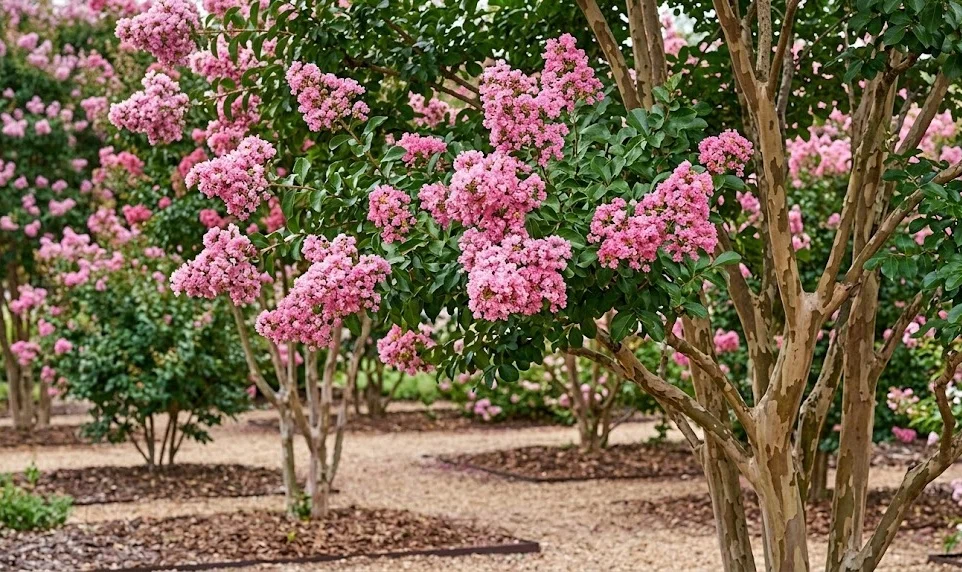

Maintaining the health of your ornamental trees involves a vigilant approach to identifying and managing various biological threats. While this species is generally robust, it is susceptible to a specific range of fungal infections and insect infestations that can diminish its beauty. A professional gardener knows that early intervention is the most effective way to prevent a minor issue from becoming a major problem. Understanding the life cycles of these pests and diseases is key to keeping your landscape looking its best throughout the year.
Powdery mildew is perhaps the most common fungal disease that affects the foliage of these trees during the humid summer months. You will notice a white, flour-like substance appearing on the surface of the leaves, which can cause them to curl or drop prematurely. This fungus thrives in environments with poor air circulation and high humidity, especially when the days are warm and the nights are cool. Selecting mildew-resistant cultivars is the best long-term strategy for preventing this unsightly problem in your garden.
If an infection does occur, you should act quickly to prevent the fungus from spreading to the rest of the canopy or nearby plants. Fungicidal sprays containing sulfur or neem oil can be effective if they are applied at the first sign of the white spots. It is also helpful to prune out some of the interior branches to improve the flow of air through the center of the tree. Keeping the foliage as dry as possible during the evening hours will also help discourage the spores from germinating on the leaves.
Leaf spot is another fungal issue that can cause small, dark circles to appear on the foliage, often with a yellow halo around them. This condition is usually most prevalent during rainy periods when the leaves remain wet for extended amounts of time. While it rarely kills the tree, a severe infection can lead to significant defoliation and a general weakening of the plant’s vigor. Removing fallen leaves from around the base of the tree is a simple cultural practice that reduces the number of spores available for re-infection.
Managing bark scale and sucking insects
Crapemyrtle bark scale is a relatively recent pest that has become a significant concern for gardeners in many regions. These small, white, felt-like insects attach themselves to the branches and trunks, where they suck the sap from the living tissues. You might first notice a black, sooty mold covering the bark, which grows on the sticky “honeydew” excreted by the scale insects. Heavily infested trees may show stunted growth and a noticeable reduction in the number and quality of their flowers.
More articles on this topic
Controlling bark scale requires a multi-step approach that often begins with a physical cleaning of the infested areas of the tree. You can use a soft brush and a mild soapy water solution to gently scrub the white scale insects off the bark. This physical removal reduces the population immediately and makes it easier for subsequent treatments to reach any remaining pests. It is a labor-intensive process but can be very effective for smaller specimens or for addressing localized outbreaks on a larger tree.
Systemic insecticides are often the most effective professional solution for dealing with a serious and widespread bark scale infestation. These products are applied to the soil around the base of the tree and are absorbed by the roots into the vascular system. When the scale insects feed on the sap, they ingest the treatment and are killed without the need for spraying the entire canopy. This method is generally safer for beneficial insects and provides a longer period of protection than contact-based sprays.
Horticultural oils can also be used during the dormant season to suffocate the overwintering eggs and adult scales that are hiding in the bark. You should apply these oils in the late winter just before the buds begin to swell and the insects become active again. It is important to ensure thorough coverage of all the branches and the main trunk to reach every possible hiding spot. This dormant treatment is a key part of an integrated pest management strategy that targets the insects at their most vulnerable stage.
Aphids and other common foliage pests
Aphids are small, soft-bodied insects that often cluster on the tender new growth at the tips of the branches in the spring. They feed by piercing the plant tissue and sucking out the nutrient-rich fluids, which can cause the new leaves to become distorted. Like scale insects, aphids produce honeydew that leads to the growth of black sooty mold on the leaves and stems below. While a few aphids are rarely a major problem, a large population can significantly stress the tree and attract other unwanted visitors.
More articles on this topic
Natural predators like ladybugs and lacewings are your best allies in the fight against an aphid outbreak in your garden. You should avoid using broad-spectrum insecticides that might kill these beneficial insects along with the pests you are trying to target. If you notice a high concentration of aphids, you can often knock them off the branches with a strong stream of water from the hose. This simple mechanical control is often enough to keep the population at a manageable level while the natural predators do their work.
Japanese beetles are another pest that can cause significant damage to the foliage and flowers during the peak of the summer. These shiny, metallic-green beetles eat the tissue between the leaf veins, leaving behind a “skeletonized” appearance that is very distinctive. They are highly mobile and can quickly move from one part of the garden to another, making them difficult to control with localized treatments. Hand-picking the beetles in the early morning when they are sluggish is an effective way to reduce their numbers without using chemicals.
Foliage-feeding caterpillars may occasionally appear and chew large holes in the leaves, but they are usually a minor and temporary issue. Most of the time, the tree can tolerate some minor leaf damage without any long-term impact on its health or blooming potential. You should only consider treatment if the infestation is severe enough to cause significant defoliation of the entire canopy. In most cases, the natural cycle of the garden will take care of these pests through birds and other predatory insects.
Environmental stressors and physiological issues
Sometimes the problems you see on your tree are not caused by pests or diseases but by environmental factors or improper care. Iron chlorosis is a common condition where the leaves turn yellow while the veins remain green, indicating a nutrient deficiency. This is often caused by soil that is too alkaline, which prevents the roots from absorbing the iron they need from the earth. Adjusting the soil pH or applying a specialized iron supplement can help restore the healthy green color to the foliage.
Sunscald and frost cracks are physical injuries to the bark caused by extreme temperature fluctuations during the summer or winter months. These wounds can look like deep splits in the wood and may eventually become entry points for secondary infections or wood-boring insects. Providing adequate water during heatwaves and using trunk wraps for young trees in the winter can help prevent this type of damage. If a crack does occur, the best course of action is to keep the tree healthy and let it seal the wound naturally.
Drought stress can lead to leaf scorch, where the edges of the leaves turn brown and brittle during periods of intense heat and low moisture. This is a clear sign that the tree is losing water faster than its roots can take it up from the dry soil. You should respond by providing a deep, slow soaking of the root zone to rehydrate the plant and prevent further tissue damage. Mulching the area around the base will help keep the soil cooler and retain the moisture you provide for a longer period.
Herbicide drift is an accidental cause of leaf distortion that occurs when chemicals used on nearby lawns or fields travel through the air. The leaves may become twisted, thickened, or show unusual growth patterns that look like a viral infection or severe pest damage. You should be careful when applying any weed killers near your ornamental trees, especially on windy days when the spray can drift. Once the damage has occurred, there is little you can do except provide good general care and wait for the plant to grow out of the affected tissue.
Integrated health monitoring and prevention
The most professional way to manage pests and diseases is through a consistent program of monitoring and preventive maintenance. You should walk through your garden regularly and look closely at the foliage, bark, and new growth for any unusual changes. Catching a problem early almost always makes the solution simpler, cheaper, and less disruptive to the overall health of the tree. A keen eye and a bit of curiosity are the best tools for any dedicated gardener or landscape manager.
Promoting a diverse ecosystem in your garden helps to maintain a natural balance between pests and their predatory enemies. Planting a variety of flowering species nearby will attract birds, ladybugs, and other beneficial organisms that help keep pest populations in check. Avoiding the over-use of chemical pesticides ensures that these helpful creatures can thrive and do their work for you. A healthy garden is a self-regulating system where major outbreaks are much less likely to occur in the first place.
Proper pruning and thinning are cultural practices that significantly reduce the risk of many fungal diseases like powdery mildew. By opening up the canopy, you allow sunlight and air to reach the interior parts of the tree where moisture often lingers. This simple step creates an environment that is much less hospitable to fungal spores and improves the overall vigor of the plant. A well-maintained structure is not just about looks; it is a fundamental part of the plant’s natural defense system.
Finally, keeping your trees well-watered and correctly fertilized ensures they have the energy needed to fight off infections and recover from pest damage. A stressed tree is always more vulnerable to attack than one that is thriving in its ideal environmental conditions. By focusing on the basic needs of the plant, you create a strong foundation for long-term health and beauty in your landscape. Expert care is about working with the tree’s natural strengths to overcome the challenges it faces in the garden environment.