
Cultivating these elegant perennials requires a nuanced understanding of their specific growth habits and environmental preferences to ensure a spectacular late-season display. These plants are beloved for their ability to brighten up the garden when most other summer flowers have already faded into the background. While they are known for their resilience once established, the initial stages of care demand consistent attention to soil moisture and positioning. A successful gardener views these flowers as a long-term investment that adds both height and ethereal beauty to the landscape.
Maintaining the structural integrity of the plant is essential, especially as the flowering stalks can reach considerable heights during the peak of the season. Support systems such as discreet stakes or surrounding sturdier plants can prevent the stems from flopping after heavy rain or strong winds. Regular inspection of the foliage helps in identifying any early signs of stress before they compromise the overall health of the specimen. It is also important to clear away any debris from the base to maintain good airflow around the crown of the plant.
The growth cycle of these anemones is relatively slow in the spring, which sometimes leads beginners to believe the plant has not survived the winter. Patience is a key virtue here, as the leaves will eventually emerge and rapidly fill out the designated garden space. Once the plant begins its active growth phase, the focus should shift toward maintaining a stable environment that avoids extreme fluctuations. Consistent care during the early summer months sets the foundation for the prolific blooming period that follows in August and September.
Establishing a routine for monitoring the plants will help you understand the subtle cues they give regarding their well-being. Wilting leaves during the heat of the day might suggest a need for more shade or a more effective mulching strategy. On the other hand, overly lush green growth with no flowers could indicate an excess of nitrogen in the surrounding soil. By observing these patterns, you can make informed adjustments that promote a healthy balance between leaf production and floral abundance.
Soil and site management for longevity
The foundation of a thriving anemone patch lies in the quality and preparation of the soil where they are intended to grow for many years. These plants prefer a medium that is rich in organic matter and capable of retaining moisture without becoming waterlogged or stagnant. Incorporating well-rotted compost or leaf mold into the planting area will significantly improve the soil structure and nutrient availability. Heavy clay soils should be amended with grit or organic fibers to ensure that the delicate roots do not suffocate during wet seasons.
More articles on this topic
Site selection is equally critical because the roots of this species do not appreciate being disturbed once they have taken hold. Choose a location that offers protection from the harshest afternoon sun while still providing enough ambient light for photosynthesis. If the soil is naturally prone to drying out, you should consider installing a simple drip irrigation system to maintain the necessary levels. A stable soil environment allows the underground rhizomes to spread naturally and create the dense clumps that characterize mature plantings.
Mulching is a professional technique that serves multiple purposes, from temperature regulation to weed suppression around the base of the plants. A thick layer of organic mulch, such as bark chips or compost, helps to keep the root zone cool during the intense heat of mid-summer. This layer also breaks down over time, slowly releasing essential nutrients back into the earth and improving the biological activity of the soil. Apply the mulch in early spring before the new shoots emerge to maximize its effectiveness throughout the entire growing season.
Understanding the pH levels of your garden soil can provide additional insights into why your anemones might be underperforming in certain areas. They generally thrive in slightly acidic to neutral soil, although they are adaptable to a wide range of conditions if other factors are optimal. If you notice yellowing between the leaf veins, it may be a sign that the soil is too alkaline, hindering the plant’s ability to absorb iron. Simple soil tests can guide you in making the necessary amendments to create the perfect chemical balance for your garden.
Growth habit and spatial considerations
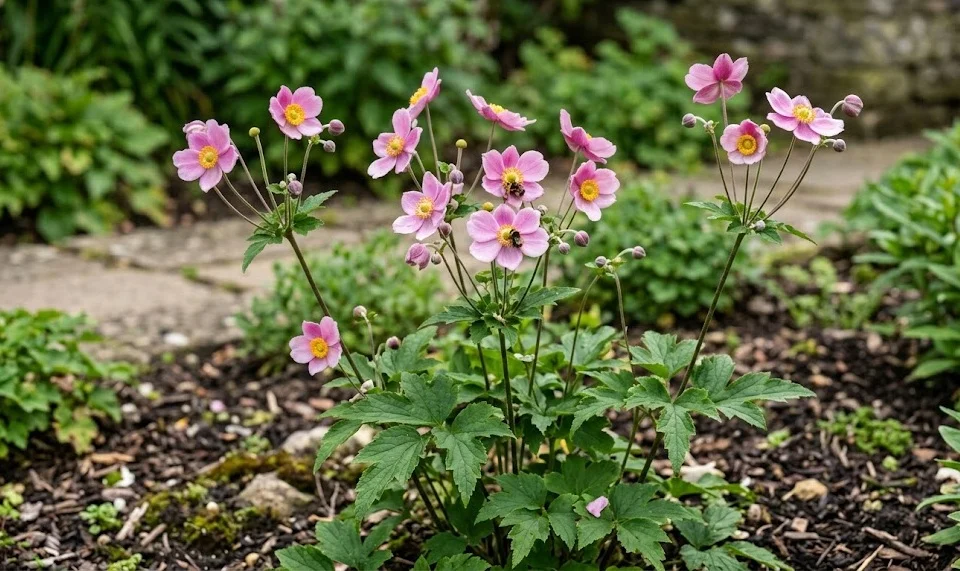
Japanese anemones are known for their vigorous spreading habit, which can be both a blessing and a challenge for the home gardener. They expand through underground runners, slowly claiming territory and filling in gaps between other perennials in a border. In a large garden, this naturalizing effect creates a stunning mass of flowers that requires very little maintenance once established. However, in smaller spaces, you must be prepared to manage their spread to prevent them from overwhelming less competitive neighbors.
More articles on this topic
When planning your garden layout, it is wise to place these plants toward the middle or back of the border due to their height. Their basal foliage remains relatively low, but the flower spikes can rise significantly above the surrounding greenery. This layering effect adds depth and vertical interest to the garden composition, especially when paired with ornamental grasses or late-blooming asters. Giving them enough room to breathe at the start will prevent future issues with overcrowding and poor air circulation.
The transition from a young sapling to a mature clump typically takes about two to three seasons of uninterrupted growth. During this time, the plant focuses on establishing a robust root system that can support the heavy floral load later on. You might notice that the first year yields only a few flowers, but the quantity will increase exponentially as the plant matures. Avoid the temptation to move the plant during this establishment phase, as this will only reset the growth clock and delay blooming.
Effective space management involves identifying the boundaries where you want the anemones to stay and where they should not wander. If a clump becomes too large for its assigned spot, you can easily remove the outlying runners in the early spring. This keeps the main plant healthy while providing an opportunity to relocate pieces to other parts of the garden. Maintaining clear edges around the colony helps preserve the intended design of your landscape while still enjoying the plant’s natural beauty.
Leaf health and aesthetic maintenance
The foliage of the Japanese anemone is almost as attractive as the flowers themselves, featuring deeply lobed, dark green leaves that provide a lush backdrop. Keeping these leaves healthy is vital because they are the primary engine for the plant’s energy production throughout the year. Watch out for signs of leaf scorch, which usually appears as brown, crispy edges during periods of intense heat and low humidity. Providing temporary shade or increasing the frequency of watering can help mitigate this environmental stress.
Aesthetic maintenance includes the removal of any damaged or yellowing leaves that might detract from the plant’s overall appearance. This is not just a matter of beauty; removing dead tissue reduces the hiding spots for pests and prevents the spread of pathogens. Use sharp, clean shears to make precise cuts near the base of the leaf stem to avoid leaving unsightly stubs. Regular grooming ensures that the plant remains a vibrant focal point in the garden even before the flowering season begins.
During the height of summer, the leaves can sometimes become dusty or covered in residues from overhead trees, which can interfere with their ability to breathe. A gentle rinsing with a garden hose during the early morning hours can refresh the foliage and keep it looking its best. Be careful not to do this in the evening, as lingering moisture on the leaves can encourage the development of fungal issues. Clean, vibrant leaves are the hallmark of a well-cared-for plant and contribute significantly to the overall garden atmosphere.
As the season progresses into autumn, the foliage may start to change color or show signs of natural senescence. This is a normal part of the plant’s life cycle as it prepares to move its nutrients down into the roots for winter storage. You do not need to be alarmed by this transition, though you can continue to trim away the most unsightly parts. Leaving some of the healthy foliage intact until the first hard frost helps the plant maximize its energy reserves for the following year.
Maximizing the flowering potential
The primary reason most gardeners choose these plants is the exquisite display of flowers that appears late in the season. These blooms come in various shades of white, pink, and mauve, often with a striking ring of yellow stamens in the center. To ensure the most prolific flowering, you must provide the plant with a consistent supply of nutrients and moisture during the budding stage. Any significant stress during this period can cause the buds to drop before they have a chance to open fully.
Deadheading, the practice of removing spent flowers, can help keep the plant looking tidy and may encourage a slightly longer blooming window. While Japanese anemones are not as responsive to deadheading as some other perennials, it still prevents the plant from putting too much energy into seed production. Simply cut the flower stem back to the nearest leaf or joint once the petals have fallen away. This keeps the focus on the remaining buds and ensures that the plant maintains its elegant silhouette.
The timing of the blooms can vary slightly depending on the specific cultivar and the local climate conditions of your region. Some varieties are known for being early bloomers, while others wait until the very end of summer to reveal their beauty. By planting a mix of different types, you can extend the season of interest in your garden for several weeks. This diversity also provides a valuable late-season food source for pollinators like bees and butterflies that are still active.
If you find that your plants are not blooming as expected, it might be necessary to evaluate the light levels they are receiving. While they tolerate shade, too much darkness can lead to leggy growth and a lack of floral development. Conversely, if the site is too sunny and dry, the plant might prioritize survival over reproduction. Finding that “sweet spot” of dappled sunlight and consistent moisture is the secret to unlocking the full flowering potential of this garden classic.
Seasonal transitions and environmental adaptation
As the heat of summer gives way to the cooler temperatures of autumn, the Japanese anemone truly comes into its own. The cooler nights often intensify the color of the blooms and help them last longer on the stems. This is a period of high activity for the plant, and it continues to require steady moisture to support its late-season performance. Gardeners should remain vigilant, as autumn can sometimes bring unexpected dry spells that might cut the flowering season short.
The arrival of the first frost typically marks the end of the visible growth for the year, signaling the plant to enter dormancy. You will notice the foliage turning brown and the stems becoming brittle as the temperatures drop consistently. This is the natural conclusion of the plant’s annual cycle, and it is nothing to worry about for the health of the perennial. Understanding these transitions helps you time your maintenance tasks, such as the final cleanup and mulching, more effectively.
Adaptation to the local environment is a gradual process that happens over several years as the plant matures. A clump that has been in the ground for five years will be much more resilient to weather extremes than a newly planted one. This is because the root system becomes more extensive and can reach deeper into the soil for resources. Giving the plants the time they need to settle in will eventually reward you with a garden feature that is both beautiful and tough.
Regional differences in climate will dictate exactly how you manage these seasonal shifts for your specific garden. In warmer areas, the focus might be on providing extra shade and water during the long summer months to prevent burnout. In colder regions, the emphasis shifts toward ensuring that the roots are well-protected from deep freezes during the winter. By tailoring your care routine to your specific conditions, you ensure the best possible outcome for your Japanese anemones year after year.
Long-term garden integration and health
Integrating Japanese anemones into a cohesive garden design involves considering how they interact with other species throughout the year. They are excellent companions for hostas, ferns, and other shade-loving plants that enjoy similar soil conditions. Because they bloom late, they can be used to fill the void left by early summer perennials that have gone dormant. This strategic planting ensures that your garden remains visually interesting from the first days of spring until the end of autumn.
Health monitoring should be a continuous part of your long-term care strategy to prevent any major issues from taking hold. Keep an eye out for any unusual spots on the leaves or a sudden decline in the vigor of a well-established clump. Often, these problems can be solved by simply improving the local environment, such as thinning out nearby plants to increase light and air. Being proactive about plant health saves a lot of effort compared to trying to rescue a severely stressed specimen.
Over time, you may find that the center of an older clump begins to die out or produce fewer flowers than the edges. This is a common phenomenon in many perennials and is usually a sign that the plant needs to be rejuvenated. Dividing the clump and replanting the vigorous outer sections will restore the health and productivity of the plant. This process not only keeps your original anemone healthy but also provides you with new plants to expand your collection.
Finally, remember that gardening is a learning process, and every season brings new insights into what works best for your specific site. Don’t be afraid to experiment with different placements or care techniques if you feel your anemones could be performing better. Sharing your experiences with other local gardeners can also provide valuable tips that are specific to your local soil and weather patterns. With consistent care and a professional approach, the Japanese anemone will remain a cornerstone of your late-summer garden for decades.