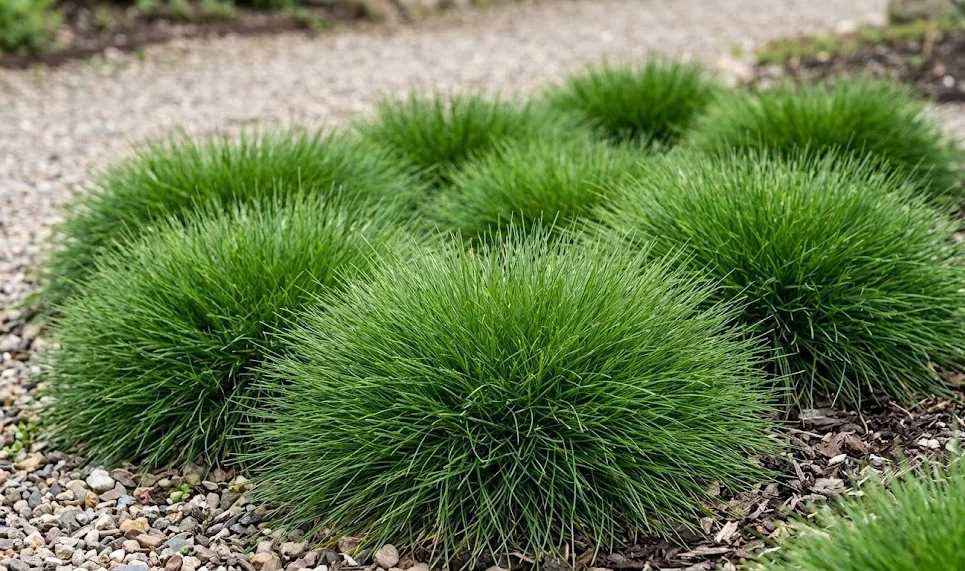

Pruning and cutting back bearskin fescue is a delicate but necessary task that helps maintain its iconic cushion shape and promotes long-term vigor. Unlike many other ornamental grasses that are cut to the ground in late winter, this evergreen species requires a more surgical and conservative approach. Improper pruning can damage the plant’s structural integrity or leave it looking unsightly for months. By mastering the correct timing and techniques, you can ensure your fescue mounds remain a tidy and professional-looking feature of your garden.
The primary goal of pruning bearskin fescue is to remove dead or damaged material without disturbing the healthy green needles. Because it is an evergreen, the plant maintains its foliage year-round, which means there is no “reset” button like there is with deciduous grasses. You should focus on “cleaning” the plant rather than a major “haircut,” using your fingers or small snips to target specific problem areas. Regular maintenance prevents the buildup of old, brown thatch that can suffocate the center of the cushion. This meticulous work pays off in a consistently beautiful plant.
The best time to perform any maintenance pruning is in the early spring, just as the plant begins its active growth phase. At this time, you can clearly see the new, bright green shoots emerging from the base, which makes it easier to identify the older, faded foliage. You should avoid pruning in the late autumn or winter, as the old foliage provides a layer of natural insulation against the cold. By waiting until the spring thaw, you ensure that the plant is strong enough to recover quickly from any cuts. Timing is everything when it comes to the health of evergreen grasses.
If you find that your bearskin fescue has become too large or is starting to look “shaggy,” a very light trim can help restore its rounded form. You should use sharp, sterilized garden shears to gently clip the ends of the needles, following the natural curve of the mound. Never cut back into the woody crown of the plant, as this can cause permanent damage or even kill the specimen. Think of this process as a “light grooming” rather than a drastic reduction in size. A gentle touch is the hallmark of an expert gardener.
Rejuvenating old clumps
Over several years, even the best-cared-for bearskin fescue can start to show its age, often by developing a brown, dead center. This “doughnut” effect happens as the plant grows outward and the older, central foliage eventually dies off. When this occurs, simple cleaning is often not enough, and a more intensive rejuvenation strategy is needed. The most effective way to fix this is through division, but a targeted pruning can also help in the short term. By carefully removing the dead material from the center, you can encourage new shoots to fill in the gap.
More articles on this topic
If you decide to prune for rejuvenation, you must be patient, as the plant grows relatively slowly. It may take a full growing season or more for the “hole” in the center to disappear completely. During this recovery period, you should ensure the plant has optimal growing conditions to support the new growth. Avoid over-fertilizing in an attempt to speed up the process, as this can lead to weak, unhealthy foliage. A steady and patient approach is always more successful than trying to force the plant’s natural rhythm.
In cases where the entire mound has become unsightly or overgrown, some gardeners choose to perform a “rejuvenation cut” where the plant is trimmed back by about one-third. This should only be done as a last resort and only on healthy, established plants. Using sharp shears, you can reduce the overall height and width, making sure to leave plenty of green needles intact. This opens up the internal structure to more light and air, which can trigger a flush of new growth from the base. It is a bold move that requires careful follow-up care.
After any significant pruning or rejuvenation work, it is a good idea to provide the plant with a deep, thorough watering. This helps reduce the stress of the “surgery” and ensures the roots have the resources they need to support the recovery. You might also want to apply a very thin layer of compost around the base to provide a gentle boost of nutrients. Avoid moving or transplanting the plant immediately after a major pruning, as this can be too much stress for it to handle at once. Respecting the plant’s recovery time is vital.
Tool selection and maintenance
The quality of your pruning tools has a direct impact on the health of your bearskin fescue and the speed of its recovery. You should always use the sharpest possible shears or snips to ensure clean, precise cuts that heal quickly. Dull blades can crush or tear the delicate needles, leaving behind ragged edges that are highly susceptible to fungal infections. For a small plant like bearskin fescue, a pair of sharp floral snips or high-quality garden scissors is often better than large hedge shears. The right tool for the job makes the work easier and more effective.
More articles on this topic
Cleanliness is just as important as sharpness when it comes to your gardening equipment. You should always disinfect your blades before and after pruning, especially if you have been working on plants with known diseases. A simple wipe with rubbing alcohol or a dilute bleach solution is enough to kill any lingering pathogens. This practice prevents you from accidentally spreading problems from one part of your garden to another. Professional-grade hygiene is a simple but essential part of successful plant care.
Maintenance of your tools should also include regular oiling and sharpening to keep them in peak condition. A well-maintained tool is not only safer for the plant but also easier on your hands and wrists during a long day of gardening. If you notice that your shears are starting to “chew” the needles rather than cutting them cleanly, it’s time for a sharpening session. Investing in high-quality tools and taking care of them will save you money and frustration in the long run. Your plants will also thank you for the professional-level care.
Finally, remember that the best pruning is often the one you don’t have to do. By selecting the right location and providing the correct care, you can minimize the need for corrective pruning. A healthy bearskin fescue will naturally maintain a beautiful shape for many years with only minimal intervention from you. Spend your time observing and enjoying your garden, and only step in with the shears when it is truly necessary. Expert gardening is about working smarter, not harder, to achieve a stunning landscape.