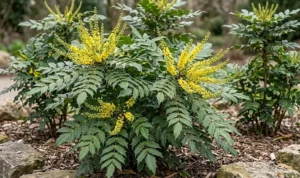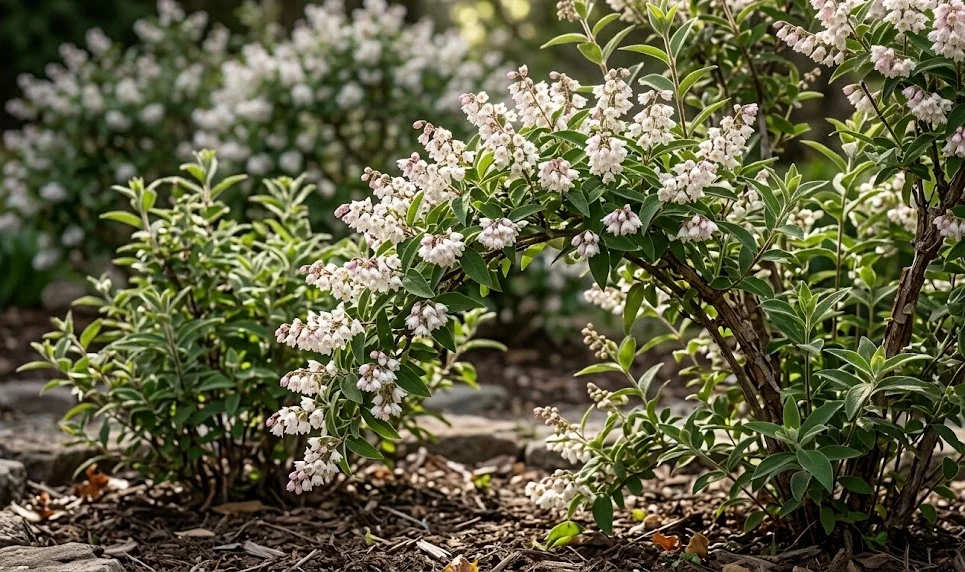

The amount of sunlight a fuzzy deutzia receives is the single most important factor in determining how well it will bloom and grow. This shrub is highly responsive to light levels, using solar energy to fuel the production of both its dense foliage and its signature white flowers. Finding the perfect balance of light and shadow in your garden will ensure that the plant remains healthy and visually impressive for many years. Understanding these requirements is essential for anyone looking to integrate this species into a professional landscape design.
In its natural habitat, the fuzzy deutzia often grows on the edges of forests or in open thickets where it can access plenty of direct sunlight. In a garden setting, it performs best when it receives at least six to eight hours of full sun every day. Full sun exposure promotes a more compact and sturdy growth habit, which is generally more desirable for most landscape applications. It also ensures that the plant has enough energy to produce the maximum number of flower buds for the following season.
While it is a sun-loving plant, the fuzzy deutzia is also remarkably adaptable and can tolerate a certain amount of partial shade. In regions with very hot and intense summer sun, a bit of afternoon shade can actually be beneficial for the plant. This protects the foliage from scorching and helps the soil retain moisture during the hottest part of the day. However, too much shade will invariably lead to a leggy growth habit and a significant reduction in the number of flowers.
The quality of light is just as important as the quantity when you are evaluating a potential planting site. Morning sun is often considered ideal because it is bright but not as intensely hot as the afternoon sun. It also helps to dry the dew off the leaves quickly, which reduces the risk of fungal diseases. If you have to choose between a site with morning sun and one with afternoon sun, the morning option is usually the better bet for this shrub.
Optimizing sunlight for maximum blooming
If your primary goal is a spectacular floral display, you should prioritize placing your deutzia in the sunniest spot available. The energy required to produce thousands of delicate blossoms is immense, and it can only be generated through photosynthesis in direct sunlight. Plants grown in shaded conditions often produce more leaves but very few flowers, which can be disappointing for the gardener. A sun-drenched location is the key to unlocking the full aesthetic potential of the species.
More articles on this topic
Sunlight also influences the timing of the bloom, with plants in sunnier spots typically flowering a few days earlier than those in the shade. This can be useful to know if you are trying to coordinate the blooming times of different plants in your garden. By strategically placing your shrubs in different light conditions, you can actually extend the overall flowering season across your entire landscape. Observation of these subtle differences is part of the art of fine gardening.
As the shrub grows and matures, its own canopy can start to shade out the interior branches and the lower parts of the plant. Regular thinning and pruning can help ensure that light reaches as much of the plant as possible, promoting health from the inside out. When the interior of the shrub is too dark, the inner leaves will often turn yellow and drop off, leaving the plant looking sparse. Maintaining a balanced and open structure is essential for long-term vitality in a sunny location.
In very northern latitudes or areas with frequent cloud cover, you may find that the deutzia needs every bit of light it can get. In these situations, avoid planting it near large trees or tall structures that will cast long shadows for much of the day. A south-facing slope or an open area away from the house is often the best choice for maximizing light exposure. Being mindful of these geographical factors will help you achieve the best results regardless of where you live.
Managing the challenges of partial shade
When a fuzzy deutzia is grown in partial shade, it will often stretch toward the light, resulting in longer and thinner branches. This can give the shrub a more open and airy appearance, which some gardeners might actually prefer for certain naturalistic designs. However, these thinner branches may be more prone to breaking under the weight of snow or during high winds. You may need to provide some additional support or be more diligent with your pruning to keep a shaded plant looking its best.
More articles on this topic
Soil moisture management becomes even more critical when a plant is grown in a shaded or partially shaded location. Because there is less sun to evaporate the water, the soil can stay damp for much longer than in a sunny spot. This increases the risk of root rot and other moisture-related problems if the drainage is not excellent. You should check the soil moisture levels frequently and adjust your watering schedule to account for the slower evaporation rates.
The color of the foliage can also be affected by the amount of light the plant receives throughout the growing season. In full sun, the leaves tend to be a more vibrant and darker green, while in the shade, they may appear slightly paler. While this isn’t necessarily a sign of ill health, it is something to be aware of when you are planning your garden’s color scheme. The interaction between light and leaf color is a subtle but important detail in landscape design.
If you find that your deutzia is struggling in a site that has become too shaded over time, you have a few options to improve the situation. You can prune back overhanging branches from nearby trees to let more light reach the shrub below. In some cases, it might even be worth transplanting the shrub to a sunnier location during the dormant season. Being willing to make these adjustments as your garden matures will ensure that your plants continue to thrive.
Monitoring light shifts through the seasons
The light levels in your garden will change significantly as the seasons progress, influenced by the angle of the sun and the growth of nearby plants. A spot that is in full sun in the early spring may become quite shaded by mid-summer as the leaves on surrounding trees fully unfurl. When selecting a planting site, try to visualize how the light will move across the area throughout the entire year. This long-term perspective is vital for the success of any permanent planting.
In the late autumn and winter, when the deciduous trees have lost their leaves, the light levels in your garden will shift again. While the deutzia is dormant during this time, the extra light can still have an impact on the soil temperature and moisture levels. Monitoring these winter light patterns can give you clues about how to better protect your plants during the cold months. Every season offers new insights into the complex relationship between your garden and the sun.
Reflected light from nearby white walls or fences can also be used to boost the light levels for a shrub in a slightly shaded spot. This “bonus” light can sometimes be enough to encourage better blooming and a healthier growth habit than the plant would otherwise achieve. On the other hand, intense reflected light from glass or dark surfaces can sometimes cause the plant to overheat. Understanding these micro-environmental factors allows you to fine-tune your care for each individual plant.
Ultimately, the fuzzy deutzia is a flexible plant that will do its best to adapt to the light you provide. By paying close attention to its growth and flowering, you can determine if it is happy in its current location or if it needs a change. Successful gardening is as much about observation and responsiveness as it is about following a set of rules. Your deutzia will tell you exactly what it needs if you take the time to look closely.