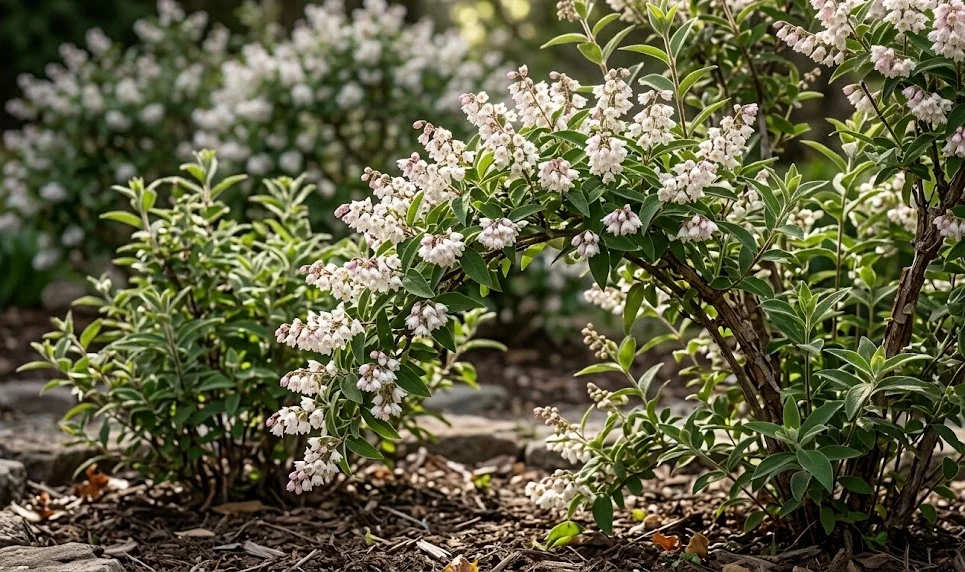

Preparing the fuzzy deutzia for the cold months is an essential part of ensuring its survival and continued vigor in colder climates. While this shrub is relatively hardy in many temperate regions, extreme winter conditions can still pose a significant threat to its health. By taking a few proactive steps in the late autumn, you can protect the plant from the drying winds and freezing temperatures that define the winter season. A well-prepared shrub will emerge in the spring ready to produce a lush canopy of leaves and a spectacular display of flowers.
The process of overwintering actually begins long before the first frost arrives at your doorstep. In the late summer, you should stop applying high-nitrogen fertilizers to prevent the stimulation of soft, new growth that won’t have time to harden off. This allows the plant to naturally transition into its dormant state as the days grow shorter and the temperatures begin to drop. Encouraging this natural cycle is the most important thing you can do to prepare the shrub for the challenges ahead.
Hydration is another critical factor in successful overwintering, as many plants actually suffer from desiccation rather than cold during the winter. You should continue to water your deutzia during the autumn months if the rainfall is insufficient to keep the soil moist. Ensuring the plant has plenty of internal moisture helps it resist the drying effects of cold winter winds. Once the ground has frozen, the roots can no longer take up water, so this late-season hydration is vital.
Monitoring the local weather forecast during the transition into winter allows you to time your final preparations perfectly. If a sudden, severe cold snap is predicted before the plant has fully entered dormancy, you may need to provide some temporary protection. Being attentive to these seasonal shifts is what separates a professional gardener from a casual observer. With the right care, the fuzzy deutzia can withstand even the harshest winter weather and return with renewed strength each year.
Protecting the root zone and base
The roots are the most sensitive part of the plant when it comes to extreme temperature fluctuations in the soil. Applying a thick layer of organic mulch around the base of the shrub is one of the most effective ways to insulate the root system. Materials like wood chips, straw, or shredded leaves work perfectly for this purpose, providing a protective blanket against the cold. Aim for a layer that is at least three to four inches deep, extending out to the edge of the branch spread.
More articles on this topic
Mulching also helps to prevent a phenomenon known as frost heaving, which can occur during cycles of freezing and thawing. When the soil expands and contracts rapidly, it can actually push young or shallow-rooted plants right out of the ground. By keeping the soil temperature more stable, a good layer of mulch minimizes this movement and keeps the roots safely tucked away. This is particularly important for newly planted shrubs that haven’t yet developed a deep and extensive root network.
In addition to mulching, you should clear away any diseased leaves or debris that may have fallen around the base of the plant during the autumn. These materials can harbor pests and fungal spores that will wait out the winter and re-infect the plant in the spring. Keeping the area clean and tidy reduces the overall disease pressure on the shrub as it starts its new growth cycle. This simple act of garden hygiene is a fundamental part of professional overwintering.
For very young or recently transplanted shrubs, you might consider mounding extra soil or mulch around the main stems for the first winter. This provides an extra layer of protection for the most vital parts of the plant’s structure. As the spring arrives and the ground begins to warm, you can carefully pull this extra material back to prevent rot. Taking these small, extra steps can significantly increase the survival rate of young plants in challenging climates.
Managing the impact of winter winds and snow
Cold winter winds can be incredibly drying, stripping moisture from the stems and buds of deciduous shrubs like the fuzzy deutzia. If your garden is in an exposed location, you might consider creating a temporary windbreak to protect your most valued specimens. Burlap wrapped around stakes driven into the ground can provide an effective shield without trapping too much heat or moisture. This is especially helpful in regions that experience long periods of freezing temperatures combined with high winds.
More articles on this topic
Heavy snow can also pose a physical threat to the arching branches of the deutzia, potentially causing them to bend or break under the weight. While a light dusting of snow can actually act as an insulator, a major accumulation should be carefully managed. If you notice branches drooping dangerously low, you can gently brush the snow off with a broom using an upward motion. Never shake the branches violently, as frozen wood is very brittle and can snap easily.
Ice storms are perhaps the most dangerous winter weather event for woody shrubs, as the weight of the ice is much greater than that of snow. If your shrub becomes coated in ice, the best course of action is usually to leave it alone and let the ice melt naturally. Trying to remove ice manually almost always results in significant damage to the bark and the underlying wood. Once the ice has melted, you can then assess the plant for any broken branches that need to be pruned.
The structural integrity of the shrub is something you should consider throughout the year, but it becomes especially important in the winter. A well-pruned plant with a strong framework is much more likely to survive the stresses of wind and snow without damage. Regular thinning of weak or crowded branches during the growing season pays off when the winter storms arrive. Building a resilient plant is a long-term project that requires attention in every season.
Dealing with late spring frosts
One of the greatest challenges for the fuzzy deutzia is not the middle of winter, but the unpredictable weather of early spring. As the temperatures begin to rise and the plant starts to break dormancy, it becomes much more susceptible to frost damage. A sudden cold night after a week of warm weather can kill off the newly emerging leaves and, more importantly, the delicate flower buds. This can be heartbreaking for a gardener who has been looking forward to the spring bloom.
If a late frost is predicted after your shrub has started to show green, you should take steps to protect the new growth. Covering the plant with a frost blanket, an old bedsheet, or even a large cardboard box can provide just enough insulation to prevent damage. Be sure to anchor the covers to the ground to trap the heat radiating from the soil around the plant. It is important to remove these covers as soon as the temperatures rise the following morning to prevent overheating.
Watering the soil thoroughly before a predicted frost can also provide a small amount of protection for the plant. Moist soil absorbs more heat during the day and releases it more slowly at night than dry soil does. This can create a slightly warmer microclimate immediately around the shrub, which might be enough to save the tender buds. Every degree of warmth counts when you are trying to protect a plant from the edge of freezing.
If your shrub does suffer some frost damage, don’t be too quick to prune away the affected parts. Wait until the danger of all frost has passed and you can clearly see which parts of the plant are still healthy and growing. Often, the damage is only superficial, and the shrub will quickly produce new leaves to replace the lost ones. Providing a little extra care and consistent watering will help the plant recover from the shock and regain its vigor.
Planning for long term winter resilience
The best way to ensure your fuzzy deutzia survives the winter is to choose a planting site that offers some natural protection. A spot on the lee side of a building, a fence, or a larger evergreen hedge can significantly reduce the impact of cold winds. Similarly, avoiding low-lying areas where cold air tends to settle, known as frost pockets, can help protect the plant during the spring. Thoughtful site selection is the foundation of a low-maintenance and winter-resilient garden.
Selecting the right cultivar for your specific climate zone is also an important part of long-term planning. Some varieties of deutzia are slightly hardier than others, so it pays to do some research before making a purchase. Talk to local nurseries or gardening clubs to find out which types have performed best in your area over the years. Choosing a plant that is well-suited to your local conditions makes the job of overwintering much easier.
Maintaining the overall health of the shrub throughout the growing season is perhaps the most effective way to prepare it for the winter. A plant that is well-fed, properly watered, and free from pests and diseases will have much larger energy reserves to draw upon. These reserves are what allow the plant to survive the long dormant period and burst into life in the spring. Caring for your plant in the summer is, in many ways, an investment in its winter survival.
Finally, remember that every winter is different and what works one year might not be necessary the next. Gardening in a changing climate requires flexibility and a willingness to adapt your techniques as needed. By paying close attention to your plants and the weather, you will develop a deep understanding of how to best support your garden through the seasons. Overwintering is not just about survival; it’s about setting the stage for another year of beauty and growth.