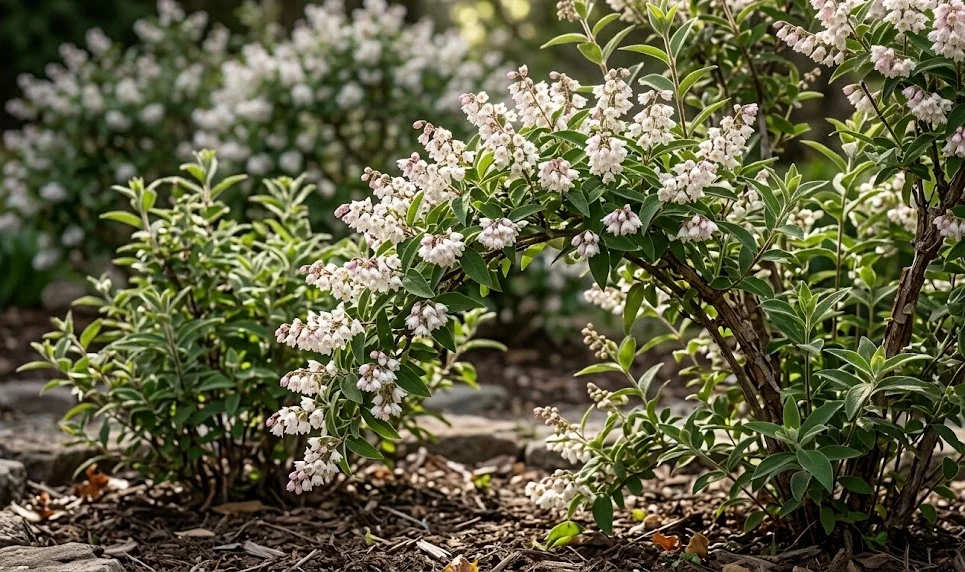

Protecting the fuzzy deutzia from biological threats requires a proactive approach centered on regular observation and early intervention. While this species is generally regarded as hardy and resistant to many common garden ailments, it is not entirely immune to the pressures of nature. Gardeners who familiarize themselves with the symptoms of various diseases and the appearance of common pests are much better equipped to maintain a thriving plant. Maintaining high standards of garden hygiene and providing optimal growing conditions are the most effective ways to prevent issues before they start.
Many problems that appear to be caused by pests or diseases are actually the result of environmental stress. A plant that is weakened by drought, poor drainage, or nutrient deficiency is much more likely to fall victim to opportunistic pathogens. By ensuring your deutzia has the right amount of light, water, and food, you are building its natural defenses. A robust and healthy shrub can often tolerate a minor pest infestation or a mild infection without suffering long-term damage.
When inspecting your shrub, look closely at both the upper and lower surfaces of the leaves, as well as the stems and the base of the plant. Early signs of trouble can include small spots on the foliage, unusual wilting, or the presence of sticky residues. The sooner you identify a problem, the more options you have for treating it with minimal impact on the surrounding environment. Taking a few minutes each week to walk through your garden and check your plants is a habit that pays off in the long run.
If you do encounter a significant issue, it is important to identify the cause accurately before applying any treatments. Misdiagnosing a fungal infection as an insect problem can lead to the use of ineffective and potentially harmful chemicals. Consult with local gardening experts or use reputable online resources to help you pinpoint the exact nature of the trouble. A targeted approach is always more successful and safer for the beneficial organisms that share your garden space.
Managing common fungal infections
Fungal diseases are among the most frequent issues encountered when growing the fuzzy deutzia, especially during damp or humid weather. Leaf spot is a common fungal condition that manifests as small, dark circles on the foliage, sometimes with a yellow halo. While a few spots are usually nothing to worry about, a severe infection can cause premature leaf drop and weaken the shrub over time. Improving air circulation around the plant by pruning and proper spacing is one of the best ways to reduce fungal pressure.
More articles on this topic
Powdery mildew is another fungal problem that can affect the appearance of the deutzia, appearing as a white, flour-like dusting on the leaves. This fungus thrives in conditions where the days are warm and the nights are cool and damp. While it rarely kills the plant, it can make the shrub look unsightly and can reduce its overall vigor if left unchecked. You can manage mild cases by removing the most affected leaves and ensuring the plant isn’t being watered from above in the late evening.
Root rot is a much more serious fungal condition that usually occurs when the soil is consistently waterlogged. The symptoms often start with a general yellowing of the foliage and a slow decline in growth, followed by the sudden death of branches or the entire plant. Once root rot has taken hold, it is very difficult to treat, making prevention through proper drainage essential. If you suspect root rot, you must address the underlying soil moisture issues immediately to have any hope of saving the shrub.
To prevent the spread of fungal spores, it is crucial to clean up and dispose of any fallen leaves or diseased plant material. Do not add infected foliage to your home compost pile, as the heat may not be sufficient to kill the pathogens. Regularly disinfecting your pruning tools with a mild bleach solution or rubbing alcohol also prevents you from accidentally moving diseases from one plant to another. Good sanitation is a fundamental part of professional garden management.
Dealing with insect pests
Aphids are small, soft-bodied insects that are frequently found on the tender new growth of many garden shrubs, including the deutzia. They feed by sucking the sap from the plant, which can cause the leaves to curl or become distorted. Aphids also secrete a sticky substance known as honeydew, which can attract ants and provide a growing medium for black sooty mold. In many cases, a strong blast of water from a garden hose is enough to dislodge these pests and keep their numbers under control.
More articles on this topic
Scale insects can sometimes be found on the woody stems of the fuzzy deutzia, looking like small, immobile bumps rather than typical bugs. These pests also feed on the plant’s juices and can cause significant weakening if they are allowed to multiply. Because they have a protective outer shell, they can be more difficult to control than other common insects. Horticultural oils or insecticidal soaps applied during the dormant season or when the young “crawlers” are active can be effective treatments.
Spider mites are tiny pests that are most active during hot, dry weather and can be recognized by the fine webbing they leave on the undersides of leaves. They cause a characteristic stippling or bronzing of the foliage as they feed on the individual plant cells. Increasing the humidity around the shrub and ensuring it is well-hydrated can help discourage spider mites from moving in. If an infestation becomes severe, you may need to use a specialized miticide to protect the health of the plant.
Beneficial insects, such as ladybugs, lacewings, and parasitic wasps, are your natural allies in the fight against pests. These predators feed on aphids and other harmful insects, often keeping their populations below damaging levels without any human intervention. You can encourage these helpful bugs by avoiding the use of broad-spectrum insecticides and planting a variety of flowers that provide them with pollen and nectar. A balanced garden ecosystem is the most sustainable way to manage pest problems over the long term.
Environmental stressors and physiological disorders
Sometimes a plant looks unwell not because of a pest or disease, but because it is reacting poorly to its environment. Leaf scorch is a common physiological disorder that occurs when the plant loses water faster than its roots can replace it. This usually happens during periods of extreme heat, high winds, or intense sunlight, resulting in brown, crispy edges on the leaves. Providing extra water during heatwaves and using mulch to keep the roots cool can help minimize this type of damage.
Chlorosis, the yellowing of leaves while the veins remain green, is often a sign of a nutrient imbalance rather than an infection. As mentioned previously, this is frequently linked to soil pH levels that prevent the plant from absorbing iron or other essential minerals. Before reaching for a fungicide, it is always worth checking your soil conditions and fertilization history to rule out nutritional issues. Addressing the root cause of the imbalance will lead to a much more permanent solution than simply treating the symptoms.
Late spring frosts can also cause significant damage to the fuzzy deutzia, particularly to the emerging flower buds and young leaves. The affected tissues may turn black or brown and eventually drop off the plant, leading to a loss of the year’s floral display. While you cannot change the weather, you can protect small or particularly valued specimens with frost blankets when a cold snap is predicted. Once the damage has occurred, the best thing you can do is provide consistent care to help the plant recover.
Mechanical damage from garden tools or even heavy snow can create wounds that serve as entry points for more serious problems. A torn branch or a nick in the bark can allow bacteria or fungi to enter the plant’s vascular system. Always use sharp, clean tools when pruning to ensure clean cuts that heal quickly. If a branch is broken by a storm, prune it back to a healthy node as soon as possible to prevent rot from setting in.
Integrated pest management strategies
Integrated Pest Management, or IPM, is a professional approach that combines several different techniques to manage garden problems in an environmentally responsible way. The first step in any IPM program is regular monitoring to catch issues before they reach a critical threshold. By staying informed about what is happening in your garden, you can make smarter decisions about when and how to intervene. This approach prioritizes mechanical and biological controls over the use of harsh chemicals.
Physical controls can be very effective and have almost no impact on the broader environment. This includes tasks like hand-picking larger pests, using water sprays to remove aphids, and pruning out diseased branches. You can also use physical barriers, such as copper tape for slugs or row covers for young plants, to prevent pests from reaching your shrubs in the first place. These simple methods are often surprisingly successful when used consistently.
When chemical controls are necessary, choose the least toxic option that is effective for the specific problem you are facing. Horticultural oils, neem oil, and insecticidal soaps are excellent choices for many common pests and have a lower impact on beneficial insects. Always read and follow the label instructions carefully to ensure the safety of yourself, your plants, and the local wildlife. Targeted applications are always better than widespread spraying, which can disrupt the natural balance of your garden.
Finally, keep a record of the problems you encounter and the treatments that prove most successful in your specific garden. Over time, you will develop a better understanding of the typical cycles of pests and diseases in your local area. This knowledge allows you to anticipate issues and take preventive measures before they become a problem. Being a proactive and informed gardener is the best way to ensure your fuzzy deutzia remains a healthy and beautiful part of your landscape.