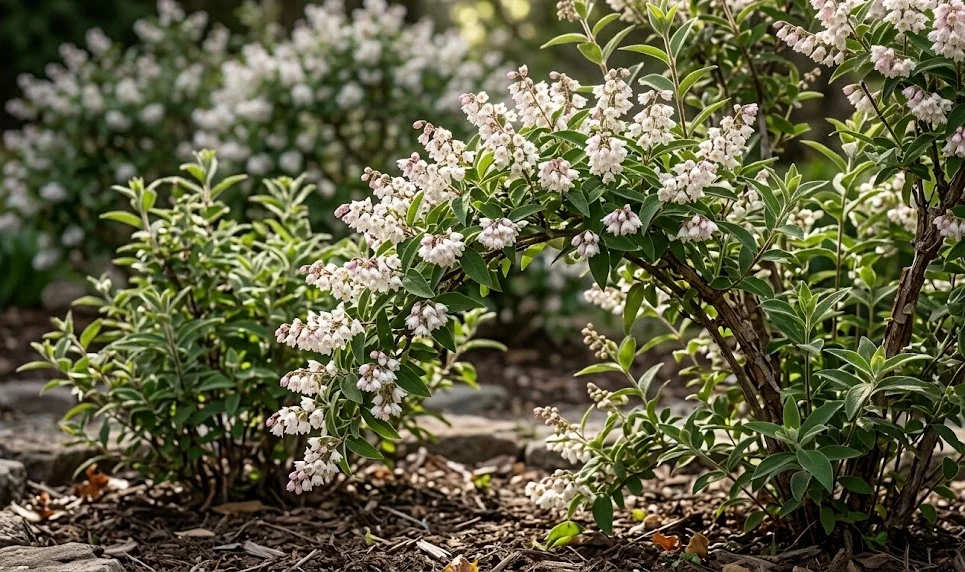

Maintaining a healthy garden requires a deep understanding of the specific needs associated with every shrub you introduce to your landscape. The fuzzy deutzia is a remarkably resilient plant that offers a stunning display of white or pink blossoms during the late spring and early summer months. To ensure that this woody perennial thrives for decades, gardeners must pay close attention to its environmental preferences and growth patterns. Proper care not only enhances the aesthetic appeal of the shrub but also strengthens its immune system against common environmental stressors.
The overall health of your shrub begins with observing its daily growth and response to the local climate. This species is known for its upright habit and arching branches that can reach significant heights if left unmanaged. You should regularly inspect the foliage for any signs of discoloration or wilting which might indicate underlying issues. By establishing a routine check-up, you can catch potential problems before they escalate into serious health threats for the plant.
Understanding the lifecycle of the fuzzy deutzia is essential for providing the right care at the right time. This plant typically enters a period of vigorous growth in early spring followed by a spectacular flowering phase. Once the blooms fade, the shrub focuses its energy on developing new wood and preparing for the following year. Aligning your maintenance tasks with these natural stages will result in a much more vibrant and productive specimen.
Consistency is the cornerstone of successful gardening when dealing with established shrubs like this one. Even though the fuzzy deutzia is considered low-maintenance, it still requires a baseline level of attention to reach its full potential. This involves monitoring the surrounding environment to ensure it remains conducive to healthy growth. A well-cared-for shrub will reward you with a dense canopy and a profusion of delicate flowers every season.
Understanding the soil environment
The foundation of any successful planting is the quality and composition of the soil in which it resides. Fuzzy deutzia prefers a growing medium that is rich in organic matter and capable of retaining some moisture without becoming waterlogged. You should aim for a soil texture that allows for easy root penetration and efficient gas exchange. Testing the soil structure before the growing season starts can give you valuable insights into what amendments might be necessary.
More articles on this topic
Drainage is perhaps the most critical factor to consider when evaluating your garden soil for this particular shrub. If the roots sit in stagnant water for extended periods, they are highly susceptible to rot and other fungal pathogens. You can improve heavy clay soils by incorporating compost or fine grit to increase the pore space. Conversely, very sandy soils may benefit from added organic material to help hold onto essential nutrients and water.
Nutrient availability plays a pivotal role in the development of strong stems and lush foliage. While the fuzzy deutzia is not an extremely heavy feeder, it does appreciate a balanced supply of macro and micronutrients. The pH level of the soil should ideally be slightly acidic to neutral for optimal nutrient uptake. If the soil is too alkaline, the plant may suffer from chlorosis, which manifests as yellowing leaves with green veins.
Mulching is a simple yet highly effective way to manage the soil environment around your shrub. A thick layer of organic mulch, such as shredded bark or leaf mold, helps to regulate soil temperature throughout the seasons. It also suppresses weed growth which would otherwise compete with the deutzia for resources. As the mulch breaks down over time, it gradually enriches the soil with valuable organic carbon and beneficial microorganisms.
Managing the growth habit and space
The fuzzy deutzia is a deciduous shrub that can grow quite large, often reaching heights and widths of eight to ten feet. It is important to provide enough space for the plant to expand without crowding neighboring species. When a shrub is given sufficient room, air circulation is significantly improved, which reduces the risk of foliar diseases. Planning your garden layout with the mature size of the plant in mind prevents future maintenance headaches.
More articles on this topic
Its arching growth habit is one of its most attractive features, giving the garden a romantic and soft appearance. To maintain this form, you must be careful not to prune it into a rigid or unnatural shape. Allow the branches to gracefully curve toward the ground as they become heavy with flowers in the late spring. This natural silhouette is what makes the species so popular in traditional and cottage-style gardens alike.
Over time, older stems may become less productive and start to look somewhat woody or sparse. Strategic thinning of the oldest branches can encourage the growth of fresh, vigorous shoots from the base of the plant. This process of renewal ensures that the shrub remains dense and full of life from top to bottom. It also allows light to reach the interior of the plant, promoting better overall health.
If you find that the shrub is outgrowing its allotted space, you may need to implement a more aggressive management strategy. However, frequent heavy pruning can sometimes stress the plant and reduce the quantity of blooms. It is always better to select a site that accommodates the natural size of the deutzia rather than trying to force it into a small footprint. Balancing the needs of the plant with your aesthetic goals is key to long-term satisfaction.
Seasonal maintenance routines
Spring is arguably the most active time for the fuzzy deutzia as it wakes up from its winter dormancy. This is the period when you should clear away any fallen debris or dead wood that may have accumulated over the winter. Applying a fresh layer of mulch now will help lock in the moisture from spring rains and provide a clean backdrop for new growth. It is also an excellent time to inspect the emerging buds for any signs of early-season pests.
As summer approaches and the flowering period begins, your role shifts toward supporting the plant through the heat. Monitoring the hydration levels of the soil becomes a priority, especially during prolonged dry spells. You should also take the time to enjoy the fragrance and beauty of the blossoms, which are a highlight of the gardening year. Deadheading is not strictly necessary for health but can keep the plant looking tidy after the blooms have spent themselves.
In the autumn, the shrub begins to transition into its dormant phase, often displaying subtle changes in foliage color. This is a good time to assess the overall structure of the plant and plan any major pruning for the following year. You should avoid heavy fertilization at this stage, as it could stimulate new growth that won’t have time to harden before frost. Cleaning up dropped leaves can help prevent diseases from overwintering in the soil near the base.
Winter is a time of rest for the fuzzy deutzia, but the gardener’s work is not entirely finished. Protecting the root zone from extreme temperature fluctuations is important, especially in regions with harsh winters. You can also use this quiet time to sharpen your tools and prepare for the upcoming spring rush. Observing the plant’s bark and structure during the winter can reveal insights that are hidden when it is covered in leaves.
Enhancing bloom production
The primary reason many gardeners choose the fuzzy deutzia is for its spectacular floral display in the late spring. To maximize the number of flowers, you must ensure the plant receives adequate sunlight during the growing season. While it can tolerate partial shade, a lack of direct sun will often result in fewer and less vibrant blooms. Sunlight provides the energy needed for the plant to develop the flower buds that will open the following year.
Proper timing of pruning is also vital for ensuring a good show of flowers every season. Because this shrub blooms on old wood, cutting it back too late in the year or too early in the spring will remove the flower buds. The best time to prune for bloom enhancement is immediately after the current year’s flowers have faded. This gives the plant the entire rest of the summer to grow the wood that will carry next year’s blossoms.
Nutrient balance can also influence how many flowers the shrub produces each year. A fertilizer high in phosphorus can help promote blooming, though it should be used as part of a balanced feeding program. Avoid over-applying nitrogen, which tends to encourage lush green foliage at the expense of flower production. A healthy, well-fed plant is much more likely to put on a heavy show of blossoms.
Environmental stability is another factor that can affect the quality of the bloom. Sudden cold snaps in late spring can damage developing buds, leading to a disappointing flowering season. While you cannot control the weather, choosing a sheltered location can provide some protection from late frosts. Consistently meeting the plant’s water and soil needs throughout the year builds the strength required for a successful flowering event.
Root health and stabilization
The root system of the fuzzy deutzia is the engine that drives its growth and sustains it during difficult conditions. Healthy roots are white or light tan and have a firm texture when handled. To promote deep rooting, you should encourage water to penetrate deep into the soil rather than just wetting the surface. Deep roots make the shrub much more resistant to drought and help it remain stable in high winds.
Soil aeration is frequently overlooked but is essential for maintaining a healthy root environment. Compressed soil lacks the oxygen that roots need to respire and function properly. You can avoid soil compaction by keeping foot traffic away from the base of the shrub and avoiding the use of heavy machinery nearby. If the soil is already compacted, gentle aeration with a garden fork can help restore the necessary air pockets.
Mycorrhizal fungi can be a great ally in the quest for superior root health. These beneficial organisms form a symbiotic relationship with the plant’s roots, helping them absorb water and minerals more efficiently. You can introduce these fungi when planting or through specialized soil inoculants. In return for the nutrients they provide, the plant supplies the fungi with sugars produced through photosynthesis.
Monitoring the moisture levels around the roots is a delicate balancing act that requires regular attention. Over-watering can be just as damaging as a severe drought, as it leads to anaerobic conditions that kill root tissues. Using a moisture meter or simply checking the soil with your finger can help you decide when it is time to irrigate. A healthy root system is the best defense against almost all other types of plant stress.
Ensuring long term vitality
A fuzzy deutzia can live for many years if it is provided with a consistent and appropriate care regimen. One of the keys to longevity is avoiding major stresses that can weaken the plant over time. This includes protecting it from mechanical damage, such as from lawnmowers or string trimmers, which can scar the bark. Such wounds provide an entry point for diseases and pests that can shorten the plant’s lifespan.
Regularly refreshing the organic matter in the soil helps maintain its structure and fertility over the long haul. As the plant matures, its needs may change, and the soil around it can become depleted of certain elements. Periodically adding compost or well-rotted manure ensures that the shrub has a constant supply of the building blocks it needs. This ongoing enrichment of the soil supports the entire ecosystem of the garden.
Vigilance against pests and diseases is a lifelong commitment for the gardener who wants a healthy deutzia. While the species is generally robust, staying on top of potential issues prevents them from becoming chronic problems. Treating minor infestations early is always easier and more effective than trying to save a severely weakened plant. A proactive approach to plant health pays dividends in the form of a beautiful and resilient specimen.
Finally, observing the unique characteristics of your specific plant can lead to better care decisions over the years. Every garden has its own microclimate and soil variations that will influence how the fuzzy deutzia grows. By paying attention to how your shrub responds to different weather patterns and care techniques, you become a better steward of its health. This personal connection to the landscape is what makes gardening such a rewarding and enduring pursuit.