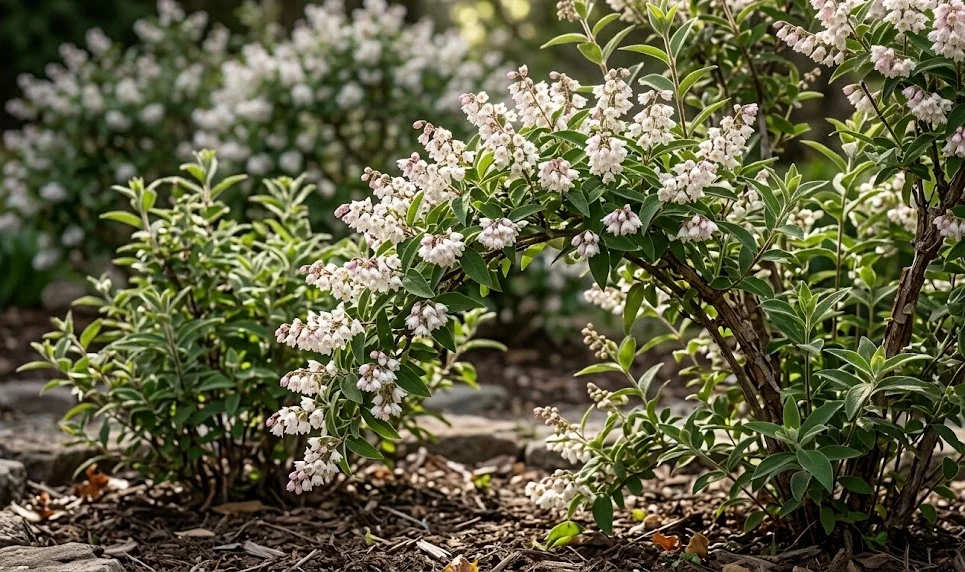

Effective water management and nutrient supplementation are the twin pillars of a successful maintenance program for the fuzzy deutzia. While this shrub is relatively adaptable, it achieves its peak ornamental value when its physiological needs are consistently met throughout the year. Providing the right amount of hydration and food ensures that the plant has the energy required for both structural growth and floral production. A thoughtful approach to these tasks will result in a much more resilient and visually striking specimen.
Watering should always be tailored to the specific age of the shrub and the prevailing weather conditions in your area. Newly planted deutzia requires much more frequent attention as its root system is limited and cannot yet tap into deeper soil moisture. During the first two years of its life, you should check the soil daily to ensure it remains moist but never soggy. As the plant matures and establishes a deeper network of roots, it becomes significantly more drought-tolerant.
The timing of irrigation can also have a profound impact on the health of the foliage and the efficiency of water use. It is generally best to water in the early morning hours before the heat of the sun causes excessive evaporation. This also allows any water that splashes onto the leaves to dry quickly, which helps prevent the development of fungal diseases. Avoid watering in the middle of the day or late in the evening whenever possible to maximize the benefits for the plant.
Fertilization is the other key component of a professional care routine, providing the essential building blocks for healthy tissues. A balanced application of nutrients in the spring can give the shrub a vital boost as it prepares for its most active growth phase. However, it is important not to over-fertilize, as this can lead to weak, leggy growth that is more susceptible to damage. Understanding the specific needs of your soil through testing can help you choose the right product and application rate.
Establishing a watering schedule
For the fuzzy deutzia, consistency is more important than the sheer volume of water applied at any one time. Aim for a deep soaking that reaches the entire root zone rather than a quick surface watering that only wets the top inch of soil. Deep watering encourages the roots to grow downward, which makes the plant much more stable and better equipped to handle dry periods. You can use a soaker hose or a slow drip from a regular hose to achieve this deep penetration without causing erosion.
More articles on this topic
During the height of summer, when temperatures are at their highest, you may need to increase the frequency of your watering sessions. Observe the leaves of the shrub; if they begin to look slightly dull or start to droop, it is often a sign that the plant is under water stress. Do not wait for the soil to become bone dry before intervening, as this can cause permanent damage to the fine feeder roots. A regular, predictable schedule helps the plant maintain its metabolic processes without interruption.
Natural rainfall should always be factored into your watering plans to avoid over-saturation of the soil. If your region experiences a particularly wet spring or summer, you should reduce or even pause your manual irrigation efforts. Conversely, during a dry autumn, it is important to continue watering until the ground freezes to ensure the plant enters dormancy with hydrated tissues. This pre-winter hydration is often overlooked but is crucial for the shrub’s survival during the cold months.
Mulching plays a vital role in water conservation by reducing the rate of evaporation from the soil surface. A thick layer of organic mulch acts like a blanket, keeping the soil cool and moist for much longer than bare earth would. As the mulch decomposes, it also improves the soil’s ability to hold onto water by increasing its organic content. This simple step can significantly reduce the amount of time and water you need to spend on irrigation tasks throughout the year.
Choosing and applying fertilizers
When it comes to feeding your fuzzy deutzia, a slow-release granular fertilizer is often the most practical and effective choice. These products release nutrients gradually over several months, providing a steady supply of food that matches the plant’s growth rate. Look for a balanced formula, such as a 10-10-10 NPK ratio, which provides equal parts nitrogen, phosphorus, and potassium. Apply the granules around the base of the plant, extending out to the drip line where the most active roots are located.
More articles on this topic
Spring is the ideal time for the primary application of fertilizer, just as the new leaves begin to unfurl from their buds. This timing ensures that the nutrients are available when the plant’s demand for energy is at its absolute highest. If your soil is particularly poor, you might consider a second, lighter application in the early summer after the flowering period has ended. Avoid fertilizing late in the season, as this can stimulate soft new growth that will be easily killed by the first frost.
Organic fertilizers, such as composted manure or specialized organic blends, are excellent alternatives to synthetic products. These options not only provide nutrients but also improve the overall health and structure of the soil by supporting beneficial microbes. Organic matter breaks down slowly, offering a long-term source of fertility that is less likely to leach away during heavy rains. Incorporating a layer of compost into the top few inches of soil every spring is a great way to maintain soil vitality.
Always water the shrub thoroughly after applying any type of fertilizer to help wash the nutrients into the root zone. This also prevents the concentrated salts in the fertilizer from burning the delicate surface roots of the plant. Be careful not to let fertilizer granules sit directly against the main stems or trunk, as this can cause localized tissue damage. Following these simple application rules ensures that your fertilization efforts are both safe and effective for the shrub.
Identifying nutrient deficiencies and excesses
A keen eye for detail can help you identify when your fuzzy deutzia is not getting the right balance of nutrients from the soil. One of the most common signs of a problem is chlorosis, where the leaves turn a pale yellow while the veins remain green. This is often a sign of iron or manganese deficiency, frequently caused by soil that is too alkaline for the plant’s liking. In such cases, applying a chelated iron supplement or acidifying the soil can often resolve the issue relatively quickly.
If the shrub is producing plenty of lush green leaves but very few flowers, it may be receiving too much nitrogen. Nitrogen is essential for foliage growth, but in excess, it can signal the plant to prioritize leaves over reproductive structures like flowers. You can correct this by reducing your fertilizer applications or switching to a product with a higher percentage of phosphorus. Balancing these different elements is the key to achieving a plant that is both healthy and beautiful.
Potassium deficiency is another potential issue, though it is somewhat less common in well-maintained garden soils. Symptoms often include browning or “scorching” along the edges of the older leaves and a general lack of vigor in the plant. Potassium is vital for the overall structural integrity of the plant and its ability to resist diseases and extreme temperatures. A balanced fertilizer usually provides enough potassium to prevent these problems from occurring in the first place.
On the other hand, over-fertilization can cause its own set of problems, including burnt leaf tips and stunted growth. Excessive salts in the soil can actually make it harder for the plant to absorb water, leading to a condition known as “fertilizer burn.” If you suspect you have over-applied nutrients, the best course of action is to flush the soil with plenty of clean water to wash away the excess salts. Always follow the manufacturer’s instructions regarding application rates to avoid these complications.
Soil health and structural improvements
While watering and fertilizing are important, the long-term health of your deutzia depends on the underlying quality of the soil. Soil that is compacted or lacks organic matter will struggle to hold onto water and nutrients, regardless of how much you add. Periodically incorporating organic amendments like leaf mold, compost, or peat substitute can dramatically improve soil structure. These materials increase the soil’s porosity, allowing air and water to move more freely through the root zone.
The presence of earthworms and other beneficial soil organisms is a good indicator of a healthy garden environment. These creatures help break down organic matter and create tunnels that improve soil aeration and drainage naturally. Avoid using broad-spectrum pesticides or excessive synthetic fertilizers that can harm these valuable garden allies. A living, breathing soil is much more efficient at processing and delivering nutrients to your plants than a sterile growing medium.
If you are dealing with very heavy clay soil, you might find that water tends to sit on the surface rather than soaking in. In these situations, you can improve drainage by creating a slightly raised planting mound or installing a French drain nearby. Conversely, very sandy soils lose moisture and nutrients almost as quickly as they are applied. Adding plenty of organic matter is the best way to “tighten” sandy soil and improve its water-holding capacity.
Maintaining a stable pH level is also essential for ensuring that the nutrients you apply are actually available to the plant. Most garden plants, including the fuzzy deutzia, prefer a slightly acidic to neutral pH range of about 6.0 to 7.0. You can test your soil’s pH with a simple home kit or by sending a sample to a professional laboratory. If necessary, you can use sulfur to lower the pH or lime to raise it, but these changes should be made gradually over several seasons.
Integrating irrigation and feeding into garden design
When planning your garden, consider grouping plants with similar water and nutrient needs together, a practice known as hydrozoning. Placing your fuzzy deutzia near other moisture-loving shrubs or perennials makes your watering routine much more efficient. This prevents you from over-watering drought-tolerant species or under-watering those that need more hydration. A well-organized garden is not only easier to maintain but also tends to be much healthier overall.
Think about the visual impact of your irrigation system and how it can be integrated into the landscape. Drip lines and soaker hoses can easily be hidden beneath a layer of mulch, providing water directly to the roots without detracting from the garden’s beauty. If you use a sprinkler, ensure it is adjusted correctly so that it doesn’t waste water on paths or the side of your house. Efficient irrigation is about getting the water exactly where it is needed most.
Consider using rainwater harvesting techniques to provide a sustainable source of hydration for your shrubs. Rain barrels or larger cisterns can collect runoff from your roof, which is often better for plants than treated tap water because it lacks chlorine and fluoride. Using harvested rainwater can also reduce your utility bills and lessen the impact on local water resources during dry periods. It is a simple and environmentally friendly way to care for your garden.
Finally, remember that the needs of your fuzzy deutzia will change as it grows and as the seasons shift. Be prepared to adjust your watering and fertilizing routines in response to the plant’s performance and the environmental conditions. Gardening is a dynamic process that requires ongoing observation and adaptation. By staying attentive and responsive, you can ensure that your shrub remains a vibrant and healthy part of your garden for many years to come.