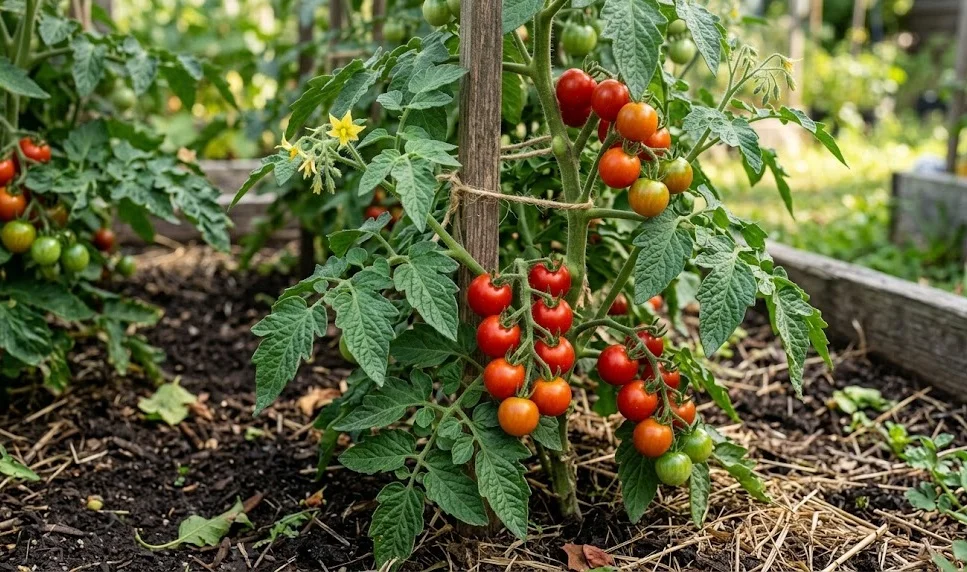

Protecting your tomato plants from the wide array of diseases and pests that target them is a full-time job for the dedicated agricultural professional. You must be able to distinguish between environmental stress, nutrient deficiencies, and actual biological threats to provide the correct treatment at the right time. The goal is not to create a sterile environment, but to maintain a balanced ecosystem where your plants are strong enough to withstand minor pressures. Prevention is always more effective and less expensive than trying to cure a widespread infestation once it has already taken hold in your garden.
Fungal diseases are among the most common challenges you will face, particularly in humid climates or during seasons with frequent rainfall events. Early blight and late blight are the two most destructive forces, capable of defoliating entire plants and ruining the fruit in a matter of just a few days. You should look for dark, concentric rings on lower leaves as an early warning sign of blight, which usually starts near the ground where moisture lingers. Improving airflow and keeping the foliage dry are your best defenses against these persistent spores that can survive in the soil for many years.
Bacterial and viral infections present a different set of challenges, as they are often systemic and much more difficult to treat once the plant is infected. Bacterial speck and spot cause small, dark lesions on the leaves and fruit, often entering the plant through tiny wounds caused by wind or pruning. Viruses like the tomato mosaic virus or tobacco mosaic virus are frequently spread by insects or even on the hands of gardeners who use tobacco products. If you identify a viral infection, the professional choice is usually to remove and destroy the affected plant to prevent it from spreading to the rest of your healthy crop.
Pests come in many forms, from the tiny aphids that suck the sap from new growth to the large hornworms that can eat several leaves in a single night. You should also watch out for whiteflies, spider mites, and flea beetles, all of which can weaken the plant and serve as vectors for various diseases. Many of these insects are most active during the heat of the summer, so your daily inspections become even more critical as the temperatures begin to rise. Understanding the life cycles of these common garden enemies allows you to disrupt their reproduction and keep their populations under manageable levels.
Managing fungal and soil-borne issues
Early blight usually appears as the plants are beginning to set fruit, starting on the oldest leaves and slowly working its way up the vine. You can manage this by removing the affected lower leaves as soon as you see the first signs of the characteristic “bullseye” spots. This not only stops the spread of the spores but also improves the airflow around the base of the plant where humidity is typically highest. Applying a preventative copper-based spray or a biological fungicide can also provide a protective layer that makes it harder for the fungus to take hold.
More articles on this topic
Late blight is a much more serious threat that typically arrives later in the season when the weather becomes cool and consistently damp for several days. It presents as large, water-soaked patches on the leaves that quickly turn brown and papery, often accompanied by a white mold on the undersides. Because late blight is highly contagious and can travel for kilometers on the wind, you must act decisively if you suspect an outbreak in your local area. Planting resistant varieties is one of the most effective professional strategies for dealing with this devastating disease in regions where it is known to occur.
Fusarium and verticillium wilts are soil-borne fungal pathogens that attack the plant’s vascular system, causing it to wilt even when the soil is perfectly moist. You will often see one side of a leaf or one branch turn yellow and die while the rest of the plant appears healthy for a short time. Because these fungi live in the soil for many years, crop rotation is the only reliable way to manage them without using heavy chemical soil fumigants. Always look for tomato varieties labeled with “V” and “F” resistance to ensure your plants have a fighting chance against these hidden threats.
Septoria leaf spot is another common fungal issue that causes numerous tiny, circular spots with dark borders and grey centers on the foliage of your plants. While it rarely kills the plant or affects the fruit directly, it can significantly reduce the photosynthetic capacity of the vine and lead to smaller harvests. You should avoid overhead watering and ensure that your plants are properly spaced to minimize the conditions that allow Septoria to thrive and spread. Cleaning up all plant debris at the end of every season is essential for breaking the cycle of this disease and keeping your garden healthy.
Dealing with bacterial and viral threats
Bacterial wilt is a fast-moving and deadly disease that can cause a perfectly healthy-looking tomato plant to collapse almost overnight in hot weather. If you cut the stem of an infected plant, you may see a milky substance oozing from the vascular tissues, which is a clear diagnostic sign of this infection. Unfortunately, there is no cure for bacterial wilt, and you must remove the plant and the surrounding soil to prevent the bacteria from spreading through the water in your garden. This is a reminder of why starting with certified disease-free seeds and maintaining clean tools is so important for professional growers.
More articles on this topic
Tomato spotted wilt virus is spread primarily by thrips and causes distorted growth, bronzing of the leaves, and characteristic ring spots on the ripening fruit. This virus has a very wide host range, meaning it can survive on many common weeds and other garden plants before being moved to your tomatoes by insects. Keeping your garden area free of weeds and managing thrip populations are the best ways to reduce the risk of this frustrating viral infection. Once a plant is infected with a virus, it will never recover, so your focus must remain on protecting the rest of your productive garden.
Cucumber mosaic virus is another viral threat that can cause the leaves of your tomatoes to become thin and “shoestring-like” in appearance. This virus is often spread by aphids as they move from plant to plant, looking for fresh sap to feed on during the spring and summer months. While the plant may continue to live, it will produce very little fruit, and what it does produce will often be small and misshapen with poor flavor. Controlling aphid populations and removing infected “bridge” plants from the vicinity are the primary methods for managing this specific viral challenge in your beds.
Bacterial canker is a serious systemic disease that can be introduced through infected seeds or contaminated equipment used during the pruning process. It causes the edges of the leaves to turn brown and curl upwards, a symptom often referred to as “firing,” and can eventually lead to the death of the entire vine. You might also see small, bird’s-eye spots on the fruit, which make them unmarketable and unattractive for home use. Using a hot-water treatment for seeds and strictly disinfecting your tools between plants are the professional standards for preventing the introduction of bacterial canker.
Common insect pests and their control
The tomato hornworm is perhaps the most famous pest of this crop, a large green caterpillar that can blend in perfectly with the foliage while it devours your plants. You should look for their dark green droppings on the leaves as a sign of their presence, even if you cannot see the caterpillar itself right away. Hand-picking them is a very effective and chemical-free way to manage them, though you should leave any that are covered in small white cocoons. Those cocoons belong to a parasitic wasp that is naturally killing the hornworm and will go on to produce more beneficial insects for your garden.
Aphids are tiny, soft-bodied insects that cluster on the undersides of leaves and the tender new growth at the top of the tomato vine. They weaken the plant by sucking out its juices and can also spread many of the viral diseases mentioned previously as they move between hosts. You can usually manage small populations with a strong blast of water from a garden hose or by applying an organic insecticidal soap during the cooler parts of the day. Encouraging natural predators like ladybugs and lacewings is a professional’s favorite long-term strategy for keeping aphid numbers under control without using harsh chemicals.
Spider mites are nearly invisible to the naked eye but can cause significant damage during hot, dry weather by spinning fine webs and feeding on the leaf cells. You will notice a fine stippling or yellowing of the leaves, which eventually turn brown and fall off if the infestation is allowed to progress unchecked. Increasing the humidity around your plants and ensuring they are well-watered can help discourage these pests, as they thrive in dusty and drought-stressed conditions. Regular inspections with a hand lens can help you catch spider mites before they have a chance to build up a large and destructive population.
Whiteflies are small, moth-like insects that flutter around when the plant is disturbed and feed on the sap of the leaves, much like aphids do. They excrete a sticky substance called honeydew, which can lead to the growth of black sooty mold on the foliage and fruit of your tomato plants. Yellow sticky traps are a useful tool for monitoring their presence and can help reduce the numbers of adult flies in a greenhouse or enclosed garden setting. Using organic oils or soaps can also be effective, but you must ensure that you thoroughly coat the undersides of the leaves where the whiteflies prefer to hide.
Prevention and natural treatment strategies
The first line of defense for any professional gardener is to create a growing environment where the plants are as healthy and stress-free as possible. This includes choosing the right site with plenty of sun, maintaining optimal soil fertility, and providing consistent irrigation throughout the entire season. A strong plant has its own natural chemical defenses that make it much less attractive to pests and more resilient against the initial stages of disease. By focusing on the health of the soil and the plant, you significantly reduce the need for external interventions and chemical sprays in your garden.
Companion planting is a traditional yet scientifically supported method for reducing pest pressure and improving the overall health of your tomato crop. Planting marigolds, basil, or nasturtiums near your tomatoes can help repel certain insects and attract beneficial predators that will hunt your common enemies for you. Marigolds, in particular, are known to release chemicals into the soil that can help suppress harmful nematode populations over several growing seasons. This biodiverse approach creates a more stable and self-regulating ecosystem that requires much less maintenance and observation from you as the gardener.
Biological controls, such as releasing beneficial insects or using microbial pesticides like Bacillus thuringiensis (Bt), are excellent professional tools for targeted pest management. These methods are much safer for the environment and for the people eating the tomatoes, as they specifically target the pests without harming bees or other pollinators. You can also use “trap crops” like radishes or sunflowers to draw pests away from your valuable tomatoes and onto a plant that you don’t mind sacrificing. Using these natural systems requires a bit more knowledge but results in a much more sustainable and healthy garden in the long term.
Crop rotation and garden hygiene are the two most important habits you can develop to prevent the buildup of diseases and pests in your soil year after year. You should never leave old tomato plants in the garden over the winter, as they provide a perfect home for spores and insect eggs to survive until the following spring. Instead, compost them in a hot pile that reaches high enough temperatures to kill pathogens, or dispose of them entirely if they were heavily diseased during the summer. By starting with fresh, clean soil and healthy plants every year, you give your garden the best possible chance for a trouble-free and productive growing season.