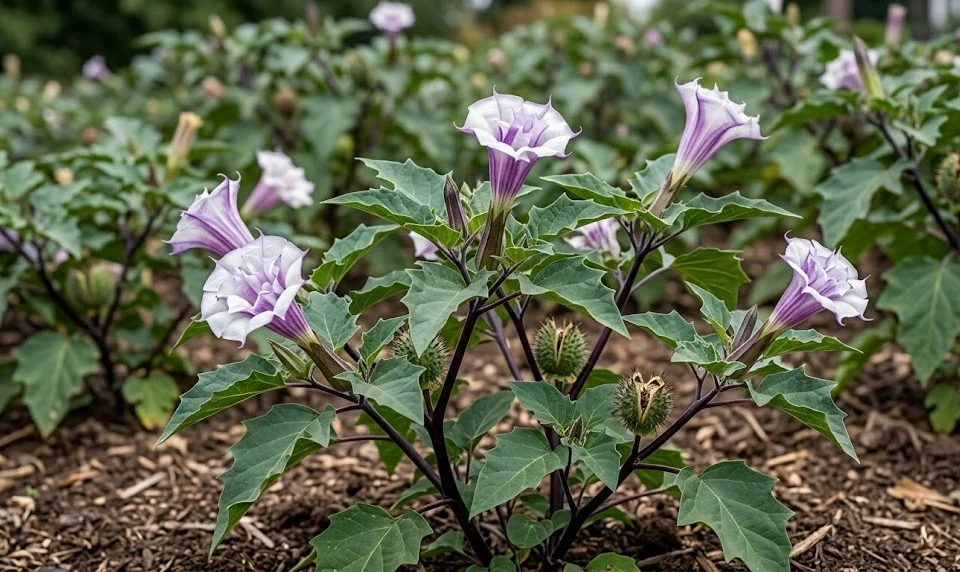

Understanding the light requirements of the devil’s trumpet is fundamental to achieving the dramatic growth and prolific flowering for which this species is famous. As a plant with tropical origins, it has evolved to thrive under intense solar radiation, using that energy to fuel its rapid expansion. However, managing light exposure is about more than just finding the sunniest spot in the garden; it involves balancing intensity with the plant’s hydration and temperature needs. A professional approach to light management ensures that the foliage remains vibrant and the flowers develop to their full size.
Optimal light exposure and intensity
For the best results, the devil’s trumpet should be placed in a location where it receives at least six to eight hours of direct, unfiltered sunlight every day. This high level of light is necessary for the plant to produce enough carbohydrates through photosynthesis to support its massive blooms. In areas with shorter growing seasons, maximizing light exposure is even more critical for the plant to reach maturity before the first frost. A south-facing position that is not obstructed by buildings or large trees is usually the ideal choice for this species.
While the plant loves the sun, the intensity of the light can sometimes be too much if the plant is not properly hydrated. During the peak of summer, the combination of high light and high heat can lead to rapid moisture loss through the large leaves. You should observe the plant during the hottest part of the afternoon to see if the leaves are showing signs of temporary wilting. Providing a bit of light dappled shade during the extreme heat of the mid-afternoon can actually be beneficial in very hot climates.
The quality of the light also matters, as the blue and red spectrums of natural sunlight are essential for different phases of the plant’s development. Blue light is primarily responsible for sturdy stem growth and healthy foliage, while red light triggers the flowering process. This is why plants grown indoors under standard lights often look leggy and fail to bloom compared to their outdoor counterparts. If you must grow the plant indoors, using full-spectrum grow lights is necessary to mimic the benefits of natural sun.
Light levels also influence the fragrance and timing of the flowers, which are primarily evening and night-blooming. The transition from light to dark serves as a signal for the plant to unfurl its trumpets and release its heavy scent to attract nocturnal pollinators. A plant that receives adequate light during the day will have more energy to invest in these dramatic evening displays. Proper light management is therefore the first step toward creating a sensory highlight in your evening garden.
More articles on this topic
Signs of light deficiency
When a devil’s trumpet does not receive enough light, it will quickly communicate its distress through several recognizable physical symptoms. The most common sign is “etiolation,” where the stems become long, thin, and weak as the plant stretches toward the nearest light source. These spindly stems are often unable to support the weight of the large leaves and flowers, leading to a floppy and unattractive appearance. If you notice the gaps between the leaves (the internodes) getting longer, it is a clear indication that the plant needs more light.
The color and size of the leaves are also sensitive indicators of whether the plant’s light needs are being met. In low-light conditions, the leaves often become a pale, washed-out green rather than the deep, vibrant emerald that is characteristic of a healthy specimen. The leaves may also grow larger but thinner as the plant tries to increase its surface area to capture as much light as possible. Over time, a light-starved plant will become much more susceptible to pests and diseases because its overall vigor is compromised.
Flowering is the first thing to suffer when light levels are insufficient, as the plant prioritizes its basic survival over reproduction. You might find that the plant produces many leaves but very few, if any, flower buds during the entire season. Even if buds do form, they are more likely to drop prematurely if the plant does not have the energy reserves to bring them to full bloom. Professional gardeners know that a lack of flowers is almost always linked to either a nutritional deficit or a lack of adequate sunlight.
If you identify these signs early, you can often save the plant by gradually moving it to a sunnier location. However, be careful not to move a shade-grown plant directly into intense midday sun, as this can cause severe leaf scorch. The transition should be done over several days to allow the plant to adjust its internal chemistry to the higher light levels. Monitoring your plant’s response to its environment is the best way to ensure it remains in peak condition.
More articles on this topic
Managing extreme light and heat
In some regions, the challenge is not providing enough light but protecting the plant from the damaging effects of extreme solar radiation and heat. When temperatures exceed 35 degrees Celsius, the plant’s metabolic processes can begin to shut down as a survival mechanism. You might notice the leaves turning a yellowish-bronze color or developing dry, crispy patches, which are signs of sun scald. In these situations, providing some temporary shade using a lattice or a light shade cloth can prevent permanent damage.
The root system is also affected by high light levels, especially if the plant is in a dark-colored container that absorbs heat. Hot roots can quickly lead to plant stress and an inability to take up enough water to keep the leaves turgid. Using light-colored or insulated pots can help keep the root zone cool even when the top of the plant is in full sun. Mulching the surface of the soil with a light-colored material like straw can also reflect some of the heat away from the roots.
Proper watering becomes even more critical when light levels are at their peak, as the plant uses water to cool itself through evaporation. A well-hydrated plant can withstand much higher light intensities than one that is even slightly thirsty. You should try to time your deep watering sessions for the early morning so the plant has a full reservoir of moisture before the sun reaches its zenith. This professional timing ensures that the plant stays healthy even during the most intense summer days.
Finally, consider the reflective surfaces around your plant, such as white walls or glass windows, which can significantly increase the local light intensity. While this can be a benefit in cooler climates, it can create a “double dose” of light and heat that might overwhelm the plant in warmer areas. Understanding the microclimate of your specific garden spot allows you to make informed decisions about placement. With the right balance of light, your devil’s trumpet will be a robust and breathtaking addition to your landscape.