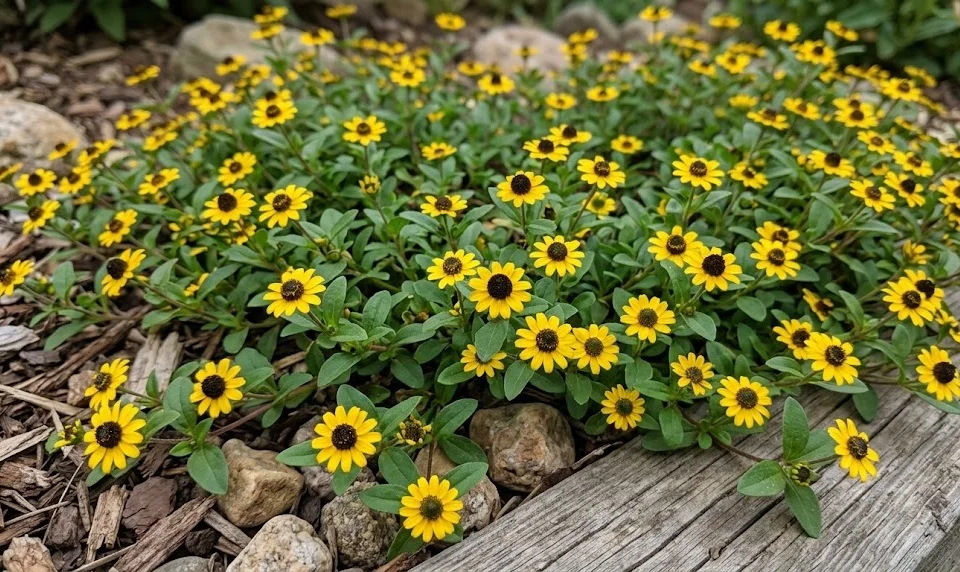

While creeping zinnia is naturally a well-behaved and low-growing plant, strategic pruning and cutting back can greatly enhance its health and appearance. These professional techniques are used to encourage more blooms, maintain a desired shape, and revitalize plants that may have become a bit tired mid-season. Pruning is not just about removing material; it is a way to communicate with the plant and direct its energy where it is most needed. By mastering these simple tasks, you can ensure your garden display remains fresh and professional-looking for months on end.
The art of deadheading
Deadheading is the process of removing faded or spent flowers before they have a chance to develop seeds. For creeping zinnia, this practice tells the plant to keep producing new buds rather than focusing its energy on reproduction. Since the plant wants to ensure its genetic future, it will continue to bloom as long as it hasn’t successfully created enough seeds. This simple cycle is what allows gardeners to enjoy a continuous carpet of gold all summer long.
To deadhead correctly, you should look for flowers that have lost their vibrant color and started to turn brown at the edges. Using your thumb and forefinger, you can simply pinch off the flower head along with a small portion of the stem down to the next set of leaves. This encourages new stems to grow from the nodes just below the cut, resulting in a bushier and more productive plant. It is a relaxing and meditative task that can be done during your morning walk through the garden.
While this species is somewhat “self-cleaning,” meaning many old flowers will fall off on their own, manual deadheading is still very beneficial. It prevents the buildup of old material that could potentially harbor moisture and lead to minor fungal issues. A clean plant always looks more professional and intentionally cared for than one left entirely to its own devices. This attention to detail is what distinguishes a high-quality landscape from a neglected one.
Regularly removing the old blooms also keeps the plant looking tidy and vibrant throughout the peak of the season. You will find that after a thorough deadheading session, the plant often rewards you with a fresh flush of flowers within a week or two. It is a very responsive species that reacts quickly to the care you provide, making it a favorite for many. By being consistent with this task, you maintain the “wow factor” of your garden beds with very little actual effort.
More articles on this topic
Shaping and controlling growth
As the season progresses, creeping zinnia can sometimes grow more vigorously than you initially planned. It might start to spill over a walkway or crowd out a smaller neighboring plant in a shared container. When this happens, you should not be afraid to use your garden snips to trim back the leading edges of the stems. This “shaping” pruning helps keep the plant within its designated boundaries while maintaining a neat and dense appearance.
Trimming back the long, trailing stems also encourages the plant to branch out closer to its center, which prevents it from becoming thin or “bald” in the middle. This is particularly important for hanging baskets where you want a full, rounded look rather than just long, sparse trailers. You can cut back as much as a few inches of the outer growth without causing any long-term harm to the plant. It is a very resilient species that recovers quickly from even a significant haircut.
If the plant is becoming too dense in certain areas, you can also thin out some of the interior stems to improve air circulation. This is a professional preventative measure against the fungal issues that can sometimes plague low-growing plants in humid weather. By allowing more air and light to reach the center of the plant, you ensure that every part remains healthy and productive. It is about creating a balance between a lush appearance and a healthy internal environment.
Always use clean, sharp tools when performing any kind of pruning to ensure a clean cut that heals rapidly. Ragged edges from dull scissors can invite pests or diseases to enter the plant’s vascular system. It is also a good habit to wipe your blades with a bit of rubbing alcohol between different plants to avoid cross-contamination. These small, professional steps protect the overall health of your entire garden and ensure the best results for your efforts.
More articles on this topic
Mid-season rejuvenation techniques
Sometimes, by late July or early August, a creeping zinnia might start to look a bit “tired” or less vibrant than it did in the spring. This is often due to a combination of intense heat and the energy expended during the first few months of blooming. If you notice the growth slowing down and the flowers becoming sparse, a more dramatic “renewal” pruning might be in order. This involves cutting back the entire plant by about one-third of its total mass.
While it might feel a bit drastic to cut back a healthy plant, this technique stimulates a brand new wave of growth from the base. After the pruning, give the plant a deep watering and a light application of balanced liquid fertilizer to fuel its recovery. You will be amazed at how quickly the plant responds with fresh, bright green leaves and a whole new set of flower buds. This professional trick can essentially “reset” the plant for a spectacular autumn display.
This rejuvenation is especially effective for plants grown in containers or window boxes where the soil volume is limited. It removes the older, possibly heat-stressed foliage and replaces it with young, vigorous growth that is better equipped to handle the remaining weeks of the season. It is a proactive way to ensure your garden doesn’t fade away prematurely during the “dog days” of summer. Your neighbors will likely wonder how your plants look so fresh while theirs are starting to decline.
Timing this mid-season cut is important, as you want to give the plant enough time to regrow before the cooler weather of autumn arrives. Usually, performing this task in early to mid-August is ideal for most regions, providing a perfect balance of warmth and recovery time. Observe your plants closely, and if they start to look like they’ve lost their initial “spark,” don’t hesitate to take action. This level of intervention is what keeps a professional garden looking its best throughout the entire year.