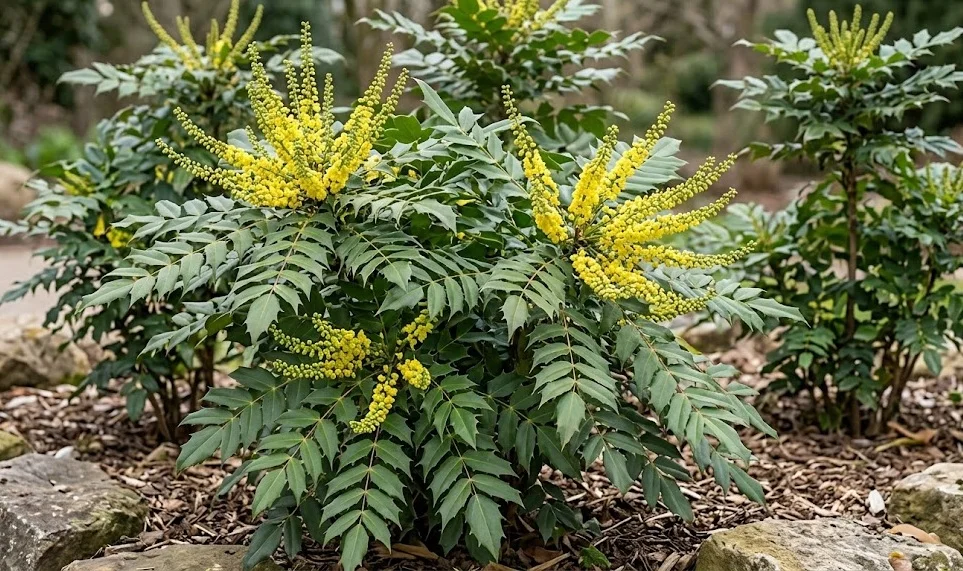

Pruning is an essential maintenance task that helps to preserve the architectural form, health, and vitality of your Japanese mahonia. This evergreen shrub naturally develops a tiered and upright growth habit that can occasionally become leggy or overgrown without intervention. You should focus on selective pruning techniques that encourage a bushier appearance while maintaining the plant’s unique structural character. By understanding the growth cycles of the species, you can time your pruning activities to maximize the impact of the fragrant winter flowers and the subsequent spring berries.
The primary goal of pruning is to remove old, unproductive wood and to stimulate the development of fresh, vibrant stems from the base. You should use high-quality, sharp tools that allow for clean cuts that will heal quickly and minimize the risk of introducing pathogens. Most pruning activities should be carried out in the spring, immediately after the flowering period has ended but before the new growth fully expands. This timing ensures that the plant has the entire growing season to recover and set buds for the following year’s display.
While the mahonia can tolerate significant cutting back, it is usually better to adopt a more gradual approach to maintenance. You should avoid the urge to shear the plant into a formal shape, as this will destroy its natural beauty and reduce its flowering potential. Instead, focus on removing individual stems back to a strong lateral branch or to the ground level to promote renewal. A well-pruned Japanese mahonia should look natural and elegant, showing off its distinctive foliage and tiered structure to its best advantage.
Regularly inspecting your shrub will help you identify which parts of the plant need attention before they become a problem. You should look for any dead, diseased, or crossing branches that could compromise the health or the aesthetic of the specimen. Taking a “less is more” approach initially will allow you to see how the plant responds to your pruning and will build your confidence over time. With a thoughtful and deliberate strategy, you can keep your mahonia in top condition for its entire lifespan.
Timing and tools for effective pruning
The most important factor in successful pruning is choosing the right time to make your cuts based on the plant’s natural rhythm. You should wait until the yellow winter flowers have faded and the initial flush of spring berries has been enjoyed by the birds. Pruning in the mid to late spring allows the plant to focus its energy on the new growth that will emerge during the summer months. Avoid pruning in the late summer or autumn, as this can stimulate soft growth that will be easily damaged by the coming winter frost.
More articles on this topic
Using the correct tools is also vital for the health of the shrub and the ease of the task for the gardener. You will find that a sharp pair of bypass pruners is perfect for smaller stems and for making precise cuts near buds or lateral branches. For thicker, older wood, you may need to use a pair of long-handled loppers or even a small pruning saw to achieve a clean finish. Always ensure that your tools are sterilized with rubbing alcohol between uses to prevent the accidental spread of any garden diseases.
When making a cut, you should always position your shears just above a healthy-looking bud that is facing in the direction you want the new growth to go. A slanted cut that allows water to run off the surface will help prevent rot and encourage faster healing of the tissue. You should avoid leaving long “stubs” above the buds, as these can die back and provide an entry point for pests or fungi. Taking the time to make each cut carefully will result in a much healthier and more attractive plant in the long run.
If you are performing a major rejuvenation of an old or neglected shrub, you should be prepared for the plant to look a bit sparse for a short period. You can spread the work over two or three years if you are worried about the impact on the plant’s appearance or vigor. This gradual renewal process ensures that the mahonia always has some mature foliage while it is working on producing new stems. Patience is a valuable virtue when it is combined with a clear plan for the future of your garden.
Techniques for maintaining architectural form
The Japanese mahonia is prized for its unique structural appearance, and your pruning should always aim to enhance this character. You should focus on thinning out the plant rather than simply reducing its overall height in a uniform way. By removing some of the oldest, tallest stems at the base, you allow more light and air to reach the center of the shrub. This encourages the growth of new, leafy stems lower down, which prevents the plant from becoming “bare-legged” as it matures.
More articles on this topic
If the shrub has become too tall for its location, you can selectively shorten the longest branches back to a lower lateral stem. You should try to stagger the heights of the remaining branches to create a more natural and tiered effect rather than a flat top. Stepping back frequently to evaluate the overall balance of the plant from different angles is a very helpful practice. This allows you to see how the changes you are making contribute to the final shape and presence of the mahonia in the garden.
Removing crossing or rubbing branches is an essential part of maintaining a clear and healthy structure over time. These branches can create wounds in the bark that serve as entry points for diseases and can distort the natural growth pattern of the shrub. You should prioritize the removal of any wood that is growing inward toward the center of the plant or that is awkwardly positioned. A clear and open structure not only looks better but also improves the air circulation throughout the entire canopy.
For plants that have become extremely overgrown and lost their shape entirely, a more radical approach may be necessary. You can cut the entire shrub back to within six to twelve inches of the ground in the early spring to force a complete reset. While this may seem drastic, the Japanese mahonia is remarkably resilient and will typically respond with vigorous new growth from the base. This “stumping” technique is a powerful tool for breathing new life into a tired specimen and restoring its former glory.
Encouraging flowering and berry production
The way you prune your mahonia has a direct impact on the quantity and quality of its winter flowers and subsequent berries. You should remember that the plant produces its flowers on wood that was grown during the previous season. By pruning in the spring, you give the plant as much time as possible to develop and mature the new stems that will bear next winter’s blooms. If you prune too late in the year, you may accidentally remove the developing flower buds, resulting in a disappointing display.
Maintaining a healthy balance of old and new wood is the key to ensuring a consistent and reliable show of yellow racemes. You should aim to have stems of varying ages within the shrub, as this provides a more textured and interesting visual effect. The younger stems often produce the largest and most vibrant flower clusters, while the older wood provides the structural framework for the plant. A thoughtful pruning routine will ensure that your mahonia remains productive and beautiful year after year.
The berries that follow the flowers are not only attractive but also a vital resource for garden birds in the spring. You can help maximize berry production by ensuring that the plant is healthy and well-hydrated during the flowering and fruiting periods. Avoiding heavy pruning while the berries are still present allows you to enjoy their architectural beauty and the wildlife they attract. Once the berries have been consumed or have fallen naturally, you can proceed with your annual maintenance tasks.
Sharing your pruning experiences and techniques with other gardeners can be a great way to learn more about the specific needs of this species. You may find that different environmental conditions require slightly different approaches to maintaining the perfect balance of growth and flowering. Observing how your mahonia responds to your care over several seasons will help you refine your skills and achieve the best results. The Japanese mahonia is a rewarding plant to work with, offering a clear response to a gardener’s careful and attentive pruning.
Long-term vitality through renewal pruning
Renewal pruning is a strategy that focuses on the long-term health and vigor of the Japanese mahonia by constantly refreshing its stems. You should aim to remove about one-third of the oldest stems each year, cutting them down as close to the ground as possible. This practice prevents the shrub from ever becoming completely old and woody, as it is always being replenished by fresh, young growth. Over a three-year cycle, you will have effectively replaced the entire plant with new, vigorous material.
This systematic approach is particularly useful for managing large, established specimens that might otherwise become unmanageable in a smaller garden. It keeps the plant within its allotted space while also ensuring that it remains a dense and attractive evergreen feature. You will find that the new stems produced by renewal pruning often have the most spectacular foliage and the most fragrant flowers. This constant state of renewal keeps the mahonia looking young and vibrant even as the years pass.
After a session of renewal pruning, you should provide the plant with a little extra care to support its recovery and new growth. Applying a generous layer of organic compost and a balanced, slow-release fertilizer will give the shrub the nutrients it needs for its vigorous response. You should also pay close attention to watering during the first summer after a major pruning to ensure the new stems don’t suffer from drought stress. This extra attention at the beginning of the cycle pays off in the form of a beautiful and healthy plant.
The Japanese mahonia is a long-lived species that can remain a highlight of your garden for many decades with the right care. Your role as a gardener is to guide its growth and provide the conditions it needs to flourish in your unique landscape. By mastering the art of pruning and cutting back, you are ensuring that your mahonia continues to provide structure, beauty, and ecological value. Your dedication to its maintenance is a reflection of your commitment to the long-term health and aesthetics of your entire garden.