
Successfully overwintering the Japanese mahonia is a key component of its long-term care, ensuring that the shrub remains healthy and attractive throughout the coldest months. While this species is known for its hardiness, the combination of freezing temperatures, drying winds, and bright winter sun can still pose a significant challenge. You should focus on protective measures that stabilize the environment around the roots and the evergreen foliage during the transition into winter. By preparing the plant properly in the autumn, you can enjoy its fragrant yellow blooms even when the rest of the garden is dormant.
Winter care begins with a thorough assessment of the plant’s health and its immediate environment before the first hard frost arrives. You should make sure the shrub is well-hydrated, as evergreens continue to lose moisture through their leaves even in the middle of winter. The goal is to prevent the desiccating effects of winter weather that often cause more damage than the cold itself. A proactive approach to overwintering will help the mahonia retain its glossy green appearance and support a successful spring recovery.
The location of the plant within your garden plays a major role in how well it will withstand the stresses of the winter season. You should consider the impact of north-facing winds and the potential for heavy snow loads that could break the architectural branches. If the plant is in a particularly exposed spot, you may need to provide physical barriers to shield it from the elements. Understanding the unique microclimate of your garden allows you to tailor your protection strategy to the specific needs of your Japanese mahonia.
As the days grow shorter and temperatures drop, the mahonia actually enters its most visually interesting phase with its winter floral display. This timing means that your overwintering efforts are not just about survival, but also about protecting the delicate flowers that provide nectar for early pollinators. Maintaining a consistent temperature in the soil and preventing sudden fluctuations can help the plant manage this energy-intensive period effectively. With the right preparation, the Japanese mahonia becomes a resilient and beautiful beacon in the winter landscape.
Managing soil moisture and root protection
One of the most critical aspects of overwintering any evergreen shrub is ensuring that it enters the cold season with adequate hydration in its system. You should continue to water your mahonia deeply throughout the autumn, especially if the weather has been unusually dry or windy. This moisture acts as an internal buffer against the drying effects of frozen ground where the roots cannot easily absorb water. A well-hydrated plant is much more likely to survive extreme cold without suffering from significant leaf scorch.
More articles on this topic
Applying a thick layer of organic mulch around the base of the plant is an essential step for protecting the shallow root system from freezing. You should use materials like shredded bark, wood chips, or pine needles to create an insulating blanket that is at least three to four inches deep. This mulch helps to keep the soil temperature more stable, preventing the damaging cycle of freezing and thawing that can push plants out of the ground. Be careful to leave a small gap around the main stem to ensure that the bark remains dry and healthy.
If your garden experiences particularly harsh winters with prolonged periods of frozen soil, you might consider watering the plant during occasional mid-winter thaws. This can help replenish the moisture levels in the foliage if the air has been very dry or the sun has been particularly bright. You should only do this when the ground is not frozen and the water can actually penetrate down to the root zone. Monitoring the weather forecast will help you find the best windows of opportunity for these occasional winter refreshments.
Protecting the roots is just as important as protecting the leaves, as they are the life-support system for the entire shrub. In containers, the roots are much more exposed to the cold, so you may need to wrap the pots in insulating materials like bubble wrap or burlap. If possible, move container-grown mahonias to a more sheltered location, such as against a south-facing wall or into an unheated garage during extreme cold spells. Taking these extra steps will ensure that your plants emerge from the winter ready to grow and flourish.
Shielding the foliage from wind and sun
The glossy, leathery leaves of the Japanese mahonia are its greatest asset, but they are also vulnerable to winter burn under the wrong conditions. You should be aware that the combination of bright winter sun and frozen ground can lead to rapid moisture loss that the plant cannot replace. This often results in the leaves turning a dark bronze color or becoming dry and brittle at the edges by late winter. Selecting a planting site with protection from the midday sun is the best long-term solution for this problem.
More articles on this topic
In very exposed locations, you can create a temporary windbreak using burlap screens attached to wooden stakes driven into the ground. This barrier should be placed on the windward side of the plant to deflect the harshest gusts and reduce the rate of transpiration. You should avoid wrapping the plant too tightly in plastic, as this can trap heat and moisture, leading to fungal issues or premature budding. A loose screen that allows for some air movement is far more effective and safer for the health of the shrub.
Anti-desiccant sprays are another tool you can use to help protect the foliage of your evergreen shrubs during the winter months. These products create a thin, waxy coating on the surface of the leaves that helps to reduce the amount of water lost to the air. You should apply these sprays in late autumn when temperatures are still above freezing and the leaves are dry. Re-application may be necessary during a mid-winter thaw if the protective layer has been washed away by heavy rain or snow.
Heavy snow can also be a threat to the architectural structure of the mahonia, as the weight can cause branches to bend or even snap. You should gently brush away heavy accumulations of snow using a soft broom, always working from the bottom of the plant upwards to avoid putting more pressure on the lower limbs. Never try to shake or break off ice, as this is more likely to damage the brittle bark and the living tissue underneath. Being proactive about snow management will help preserve the beautiful form of your shrub for years to come.
Winter flowering and pollinator support
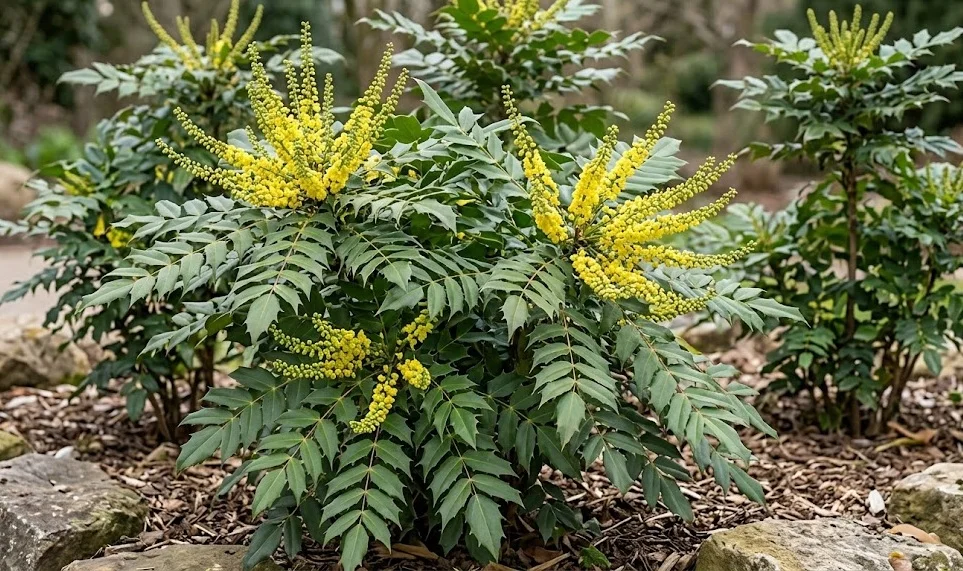
One of the most remarkable features of the Japanese mahonia is its ability to produce vibrant yellow flowers in the heart of winter. These fragrant blooms appear in long, spreading racemes that add a touch of warmth and color to the garden when little else is happening. You should appreciate that these flowers are not just for show; they provide a crucial food source for insects that may wake up during mild winter spells. Protecting the plant during the winter ensures that this vital ecological service is maintained for your local wildlife.
The timing of the flowering can vary depending on your local climate and the specific conditions of each winter season. You might see the first buds starting to open as early as late autumn, with the full display lasting well into the late winter or early spring. If a particularly severe frost is predicted while the plant is in full bloom, you can provide temporary protection with a lightweight horticultural fleece. This can help preserve the flowers and the potential for the blue-black berries that follow in the spring.
The scent of the mahonia flowers is often compared to lily-of-the-valley and is most noticeable on still, mild winter days. You should consider planting the shrub near a doorway or a frequently used path so that you can enjoy this fragrance during your winter walks. The presence of these flowers is a reminder of the resilience of nature and the ongoing cycles of life even in the coldest months. By successfully overwintering the plant, you are ensuring that this sensory highlight remains a reliable part of your garden’s calendar.
After the flowering period is over, the plant will naturally transition into its next phase of growth and berry production. You should avoid any heavy pruning during the winter, as this would remove the developing flowers and the subsequent fruit that birds enjoy. Instead, wait until the spring to perform any necessary maintenance once the danger of extreme cold has passed. The Japanese mahonia’s winter performance is a testament to its unique place in the garden landscape and its value to the gardener.
Transitioning from winter to spring growth
As the temperatures begin to rise and the days get longer, your Japanese mahonia will start to prepare for its period of active spring growth. You should monitor the plant closely during this transition, as fluctuating temperatures can still pose a risk to the emerging new leaves. This is the time to remove any protective screens or burlap wraps that were used during the winter to allow for better air circulation and light. Gradually exposing the plant to more light will help it acclimate to the changing season without suffering from shock.
Early spring is the ideal time to assess any winter damage and perform light corrective pruning to maintain the shrub’s shape. You should look for any dead or broken branches that may have resulted from heavy snow or extreme cold and remove them with clean, sharp tools. If some of the foliage has turned brown or bronze, wait until the new growth appears before deciding whether to remove the affected leaves. Often, the plant will naturally shed older, damaged leaves as the fresh, bronze-tinted new ones begin to expand.
Replacing the winter mulch with a fresh layer of organic compost or bark chips will help the plant start the new season with a boost of nutrients. You should also check the soil moisture levels and begin a regular watering routine if the spring has been dry. Providing a balanced, slow-release fertilizer at this time will support the vigorous growth that typically follows the winter flowering period. This transition is a rewarding time for the gardener, as the results of your careful overwintering become visible in the plant’s renewed vitality.
The berries that follow the winter flowers will begin to turn from green to a deep, dusty blue as the spring progresses. These fruits are a favorite of many bird species and add another layer of interest to the plant during the early summer months. By successfully navigating the challenges of winter, your Japanese mahonia is now ready to play its part in the spring and summer garden. Your dedication to its seasonal needs has ensured that it remains a healthy and beautiful cornerstone of your landscape for another year.