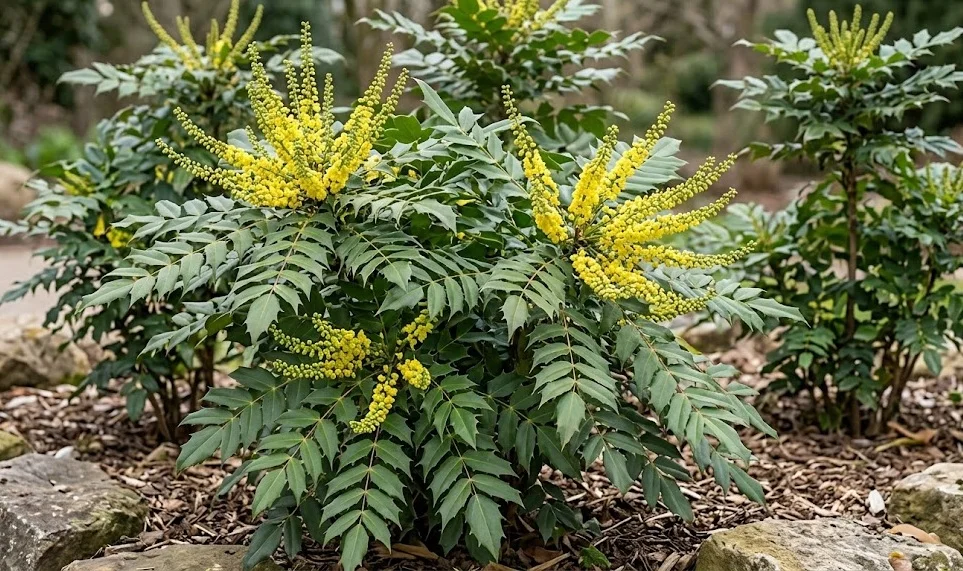

Understanding the light requirements of the Japanese mahonia is fundamental to its success as a long-lived and attractive garden shrub. This species is naturally adapted to the filtered light and shaded conditions found in the understory of East Asian forests. You should aim to replicate these conditions in your own landscape to ensure the plant maintains its characteristic glossy, deep green foliage. Proper light management not only influences the health of the leaves but also dictates the quality and abundance of the fragrant winter flowers.
While the mahonia is known for its shade tolerance, the amount of light it receives will significantly impact its growth habit and overall structure. You should avoid planting it in areas with direct, intense afternoon sun, which can cause the leaves to bleach or develop unsightly brown scorch marks. On the other hand, extremely deep shade might result in a leggy, sparse appearance with fewer flowers than a plant in more favorable light. Finding the “sweet spot” of dappled sunlight or partial shade is the key to achieving a dense and well-proportioned specimen.
The orientation of your garden and the presence of nearby structures or large trees will determine the quality of light available for your shrub. You should consider how the patterns of sun and shadow shift throughout the day and across the different seasons. A location that is perfectly shaded in the summer might be too exposed in the winter when the surrounding deciduous trees have lost their leaves. Being aware of these seasonal changes will help you choose the best permanent home for your Japanese mahonia.
Consistent observation of your plant’s reaction to its light levels will provide the best guidance for any necessary adjustments. You may notice that a plant in more light requires more frequent watering to stay healthy and vibrant. Conversely, a plant in deeper shade may need more careful monitoring for fungal issues that thrive in cooler, darker environments. By understanding and respecting the light preferences of this evergreen, you can ensure it remains a highlight of your garden for many decades.
The benefits of dappled shade and filtered light
The ideal lighting for a Japanese mahonia is often described as dappled shade, where sunlight filters through a canopy of taller plants. You should look for a spot that receives morning sun followed by protection during the hottest part of the day. This balance allows the plant to photosynthesize effectively without the risk of heat stress or leaf damage. Under these conditions, the foliage remains a rich, dark green and the plant develops a sturdy, compact form.
More articles on this topic
In a woodland garden setting, the mahonia naturally finds its place beneath the high canopy of deciduous or evergreen trees. You can replicate this by planting it on the edge of a wooded area or near a tall building that provides consistent indirect light. This filtered light mimics the environment where the species evolved, promoting the development of large, healthy leaves. The soft light also helps to preserve the delicate fragrance of the flowers during the winter bloom period.
Dappled light is particularly beneficial during the spring when the plant is producing its new, tender growth. You will see the new leaves emerge with an attractive bronze or reddish tint, which slowly matures into a deep green as they harden off. Protection from harsh, direct rays ensures that this new growth is not damaged before it has a chance to develop its protective waxy coating. The shifting patterns of light and shadow also create a beautiful visual effect on the textured foliage throughout the day.
If your garden lacks natural shade, you can create a more suitable environment by using structures like pergolas or lattice screens. You should position these features to block the intense south and west sun while still allowing for plenty of ambient light. This controlled lighting allows you to grow the mahonia in areas that might otherwise be too bright for its comfort. A thoughtful approach to light design can turn a challenging garden spot into a thriving home for this versatile evergreen.
Managing the risks of full sun exposure
Exposing a Japanese mahonia to full, direct sun for extended periods can lead to several physiological problems that compromise its health. You should be especially careful in regions with high light intensity or during the height of the summer heat. The most common symptom of excessive sun is leaf scorch, where the edges and tips of the leaves turn brown and brittle. In severe cases, the entire leaf may become bleached or yellowed, losing its ornamental value and its ability to function correctly.
More articles on this topic
Full sun also increases the rate of transpiration, meaning the plant loses water through its leaves much faster than it would in the shade. You must be prepared to provide significantly more supplemental irrigation if your mahonia is planted in a bright, exposed location. Even with extra water, the plant may still show signs of stress if the temperature of the leaves themselves becomes too high. This environmental pressure can weaken the shrub over time, making it more susceptible to pests and other secondary issues.
In the winter, the combination of direct sun and frozen ground is a particularly dangerous scenario for evergreen shrubs. You should be aware that the sun can warm the leaves, encouraging them to try and take up water that is currently locked in the ice around the roots. This leads to severe desiccation, often referred to as winter burn, which can cause significant foliage loss in the spring. Providing shade during the winter months is just as important as protecting the plant during the summer heat.
If you have a mahonia that is currently struggling in too much sun, you may want to consider moving it to a more shaded location. You should perform this transplanting in the early spring or autumn to minimize the stress on the plant during the move. Adding taller companion plants nearby can also provide a natural source of shade and help cool the surrounding air. Protecting the plant from excessive light is one of the best ways to ensure its long-term vitality and beauty.
Adapting to deep shade environments
While the Japanese mahonia is remarkably shade-tolerant, extremely low light levels can also have an impact on its performance and appearance. You might notice that a plant in deep shade grows more slowly and develops a more open, “leggy” structure as it reaches for more light. The stems may become thinner and the space between the leaves might increase, resulting in a less dense and architectural look. While the plant will survive in these conditions, it may not reach its full potential as a landscape feature.
Flower production is often the first thing to suffer when a mahonia is grown in an area that is too dark. You should be aware that some light is necessary to trigger the development of the fragrant yellow flower spikes in the winter. If your plant is consistently failing to bloom, it may be a sign that it needs just a little more light than its current spot provides. Thinning out the overhead canopy of nearby trees can often allow enough light through to encourage better flowering.
Fungal diseases like powdery mildew or leaf spot can also be more of a concern in very shady and stagnant locations. You should ensure that there is still adequate air movement around the plant to help the foliage dry out after rain or dew. If the area is both dark and damp, the risk of pathogens attacking the leaves or the roots increases significantly. Choosing a spot that is shady but still has good ventilation is the best strategy for a healthy plant.
Despite these challenges, the ability of the mahonia to grow in shade makes it an invaluable tool for difficult garden corners. You can use it to add structure and interest to north-facing walls or under the dense shade of large evergreens like yews. In these situations, the glossy green leaves provide a welcome contrast to the often dark and empty spaces in the garden. By understanding the limits of its shade tolerance, you can use the mahonia effectively throughout your entire landscape.
Assessing and adjusting light levels over time
The lighting conditions in a garden are rarely static, and you should be prepared to reassess your mahonia’s environment every few years. You will find that as other trees and shrubs in your garden grow, the amount of shade available to your mahonia will naturally increase. Conversely, if a large tree is removed or a new building is constructed nearby, the light levels could change dramatically in a short period. Staying observant will help you identify when the plant might be becoming stressed by these environmental shifts.
If you notice that your plant is becoming too tall and sparse, it may be an indication that it is competing for light with its neighbors. You can respond by performing selective pruning to maintain a more compact shape and by thinning out surrounding vegetation. This allows more light to reach the lower parts of the shrub, encouraging a bushier habit from the base upwards. Balancing the growth of all the plants in a mixed border is a key part of long-term garden management.
During the winter months, you can use temporary measures to protect your mahonia if its lighting environment becomes unfavorable. For example, if a deciduous tree that provided summer shade is now bare, you can use burlap screens to provide artificial shade during the coldest weeks. This simple intervention can prevent significant winter burn and keep the plant looking healthy until the spring. Being proactive about light management shows a deep commitment to the well-being of your Japanese mahonia.
Ultimately, the best lighting for your plant is one that results in a healthy, vigorous shrub with vibrant foliage and plenty of flowers. You should trust your own observations and the physical cues the plant provides to guide your care decisions. Every garden is unique, and what works in one location might need a slight adjustment in another. With a thoughtful approach to light and shadow, your Japanese mahonia will continue to thrive and beautify your landscape for many years.